

Red Flag 25-3 - Nellis, USA
Introduction
Exercise Red Flag – Nellis 25-3 took place at Nellis Air Force Base, Nevada, from July 21 to August 1, 2025. This was the last of three annual exercises in the Red Flag series, which has been the cornerstone of advanced training for the U.S. Air Force and its allies since 1975. Unlike simple training maneuvers, Red Flag is designed as a “combat rehearsal”: a testbed in which national and allied air forces experience high-intensity conflict scenarios against a near-peer adversary with similar or superior capabilities.
Forces and assets deployed
The exercise featured a diverse mix of platforms and units:
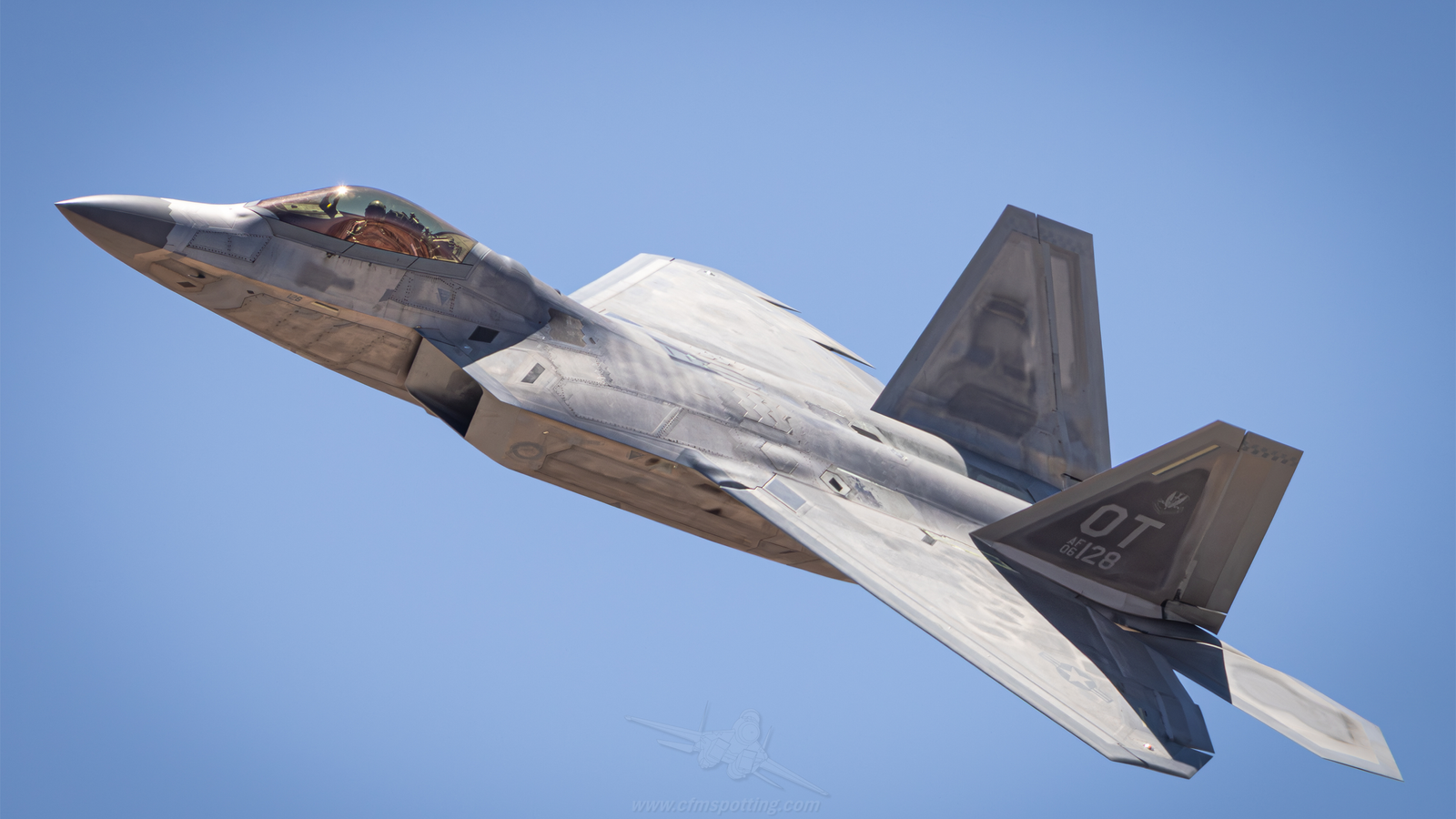
Fourth- and fifth-generation fighters: F-16, F-15E, F-35, and F-22, used in combination for SEAD/DEAD (Suppression/Destruction of Enemy Air Defenses) missions, air superiority, and joint strikes.
Support aircraft: KC-135 and KC-46 tankers for air-to-air refueling, ISR (Intelligence, Surveillance, Reconnaissance) platforms, and electronic warfare assets.
RED TEAM
F-16C/CM – 64th AGRS, NELLIS AFB, NV
F-16C – 422nd TES, NELLIS AFB, NV
F-16C – 706th AGRS, NELLIS AFB, NV
F-16C – 16th WPS, NELLIS AFB, NV
F-35A – 65th AGRS, NELLIS AFB, NV
F-35A – 6th WPS, NELLIS AFB, NV
BLUE TEAM
F-22 – 27th, 94th, 149th FS, JB Langley-Eustis, VA
F-35A – 4th, 421st FS, Hill AFB, UT
F-15E – 334/336th FS, Seymour Johnson AFB, NC
F-35C – VMFA-251, MCAS Cherry Point, NC
Command & Control
E-3G – 960th, 963rd AACS, Tinker AFB, Camp Pendleton, CA
Electronic Warfare
EA-18G VAQ-135, NAS Whidbey Island, WA
Refueling
KC-10 – Omega Air Refueling 99th-106th ARS, Birmingham ANGB, AL
KC-135R
Interdiction
MQ-9 – 20th ATKS, Whiteman AFB, MO 9th-345th BS, Dyess AFB, TX
B-1B
Of particular importance was the cooperation between Active Duty and Reserve Component units, demonstrating the concept of Total Force Integration that characterizes modern air operations.
Operational Modes
Red Flag’s structure involved alternating Blue Team (friendly coalition) and Red Team (adversary forces), with the latter tasked with replicating real-world tactics of potential adversaries and equipped with advanced simulation systems.
Each day was marked by a Vulnerability Period (VUL), during which aircraft entered the scenario, facing maximum exposure to air-to-ground and air-to-air threats.
Use of the Nevada Test and Training Range (NTTR), with its vast expanse, allowed for the simulation of strategic-scale air campaigns, including long-range strikes, deep penetration, and joint air-to-air, air-to-surface, and ISR operations.
The main innovation of 25-3 was the conduct of hybrid operations: while some assets operated directly from Nellis, others—such as the B-1Bs—took off from their home bases, while maintaining direct communication with the Mission Planning Cells (MPCs) deployed in theater. This allowed us to test the resilience of distributed command and the ability to manage operations on a global scale.
Strategic Implication
The results of Red Flag – Nellis 25-3 can be interpreted on three levels:
Tactical-operational: consolidation of integration capabilities between platforms of different generations, with particular attention to the synergy between stealth and non-stealth aircraft.
Doctrinal: validation of emerging concepts (distributed C2, DFE) that will be central to future USAF and NATO air campaigns.
Strategic: political-military message to allies and potential adversaries: the Western capacity to conduct integrated, distributed, and resilient air operations on a large scale remains intact and constantly evolving.
Gallery


Article by Andrea Bellotti – Pictures by Andrea Bellotti.