

Ocean Sky 2025 – Gando, Spain
Introduction
In October 2025, the Spanish Air Force hosted once again the bi-annual Ocean Sky exercise, which took place at Gando Air Base, in Gran Canaira, from October 15th to October 31st.
The 2025 edition of the exercise brought together a rare mix of both NATO and non NATO air forces, creating an operational environment where different doctrines, technologies, and tactical philosophies converged under the same sky.
What made this edition particularly remarkable wasn’t just the scale (with over fifty aircraft involved) but the diversity. From Cold War born platforms still proving their relevance to highly advanced 4.5 GEN fighters.

History of the Exercise
Ocean Sky traces its origins back to 2004, when it was first conceived as a Spanish-led DACT exercise. In its early years, the focus was relatively straightforward: expose pilots to different aircraft types and tactical approaches.
Over time however, the exercise evolved. What was once centered on small scale engagements has transformed into a complex large-force employment environment, where dozens of aircraft operate simultaneously in coordinated missions that mirror real-world conflict scenarios.
Today, Ocean Sky is organized by the Ejército del Aire y del Espacio under MACOM, and it has become a key training event in Southern Europe, both geographically and strategically.
A Realistic War Scenario - Phases of the Exercise
What truly defines Ocean Sky is its structured progression, designed to replicate the rhythm of modern air warfare.
The first phase of the exercise begins quietly, with familiarization flights. Crews learn the geography of the Canary Islands, adapt to local procedures, and most importantly, align with communication protocols. With so many nations involved, even something as simple as radio discipline becomes a critical factor.
From there, the tempo increases rapidly. Mission planning sessions become increasingly complex, with fictional conflict scenarios, objectives, threats, and rules of engagement. Every sortie features a simulated escalation where each mission builds upon the previous one.
The core of the exercise lies in Composite Air Operations (COMAO). This is where Ocean Sky reveals its true scale. Large packages of aircraft, often exceeding forty units flying simultaneously, each assigned a specific role. Some act as escorts, others as strikers, while additional elements simulate electronic warfare or provide refueling support (Part of EART Exercise).
Within this framework, OCA missions focus on taking the fight to the enemy, neutralizing air defenses, striking airfields, and suppressing hostile capabilities. In contrast, DCA missions revolve around protection: intercepting incoming threats, defending key assets, and maintaining control of the airspace.
Every mission ends in the same way, with a detailed debrief. Data is analyzed, decisions are questioned, and lessons are learned. It is in these briefing rooms, more than in the sky, where pilots truly improve.
Participants
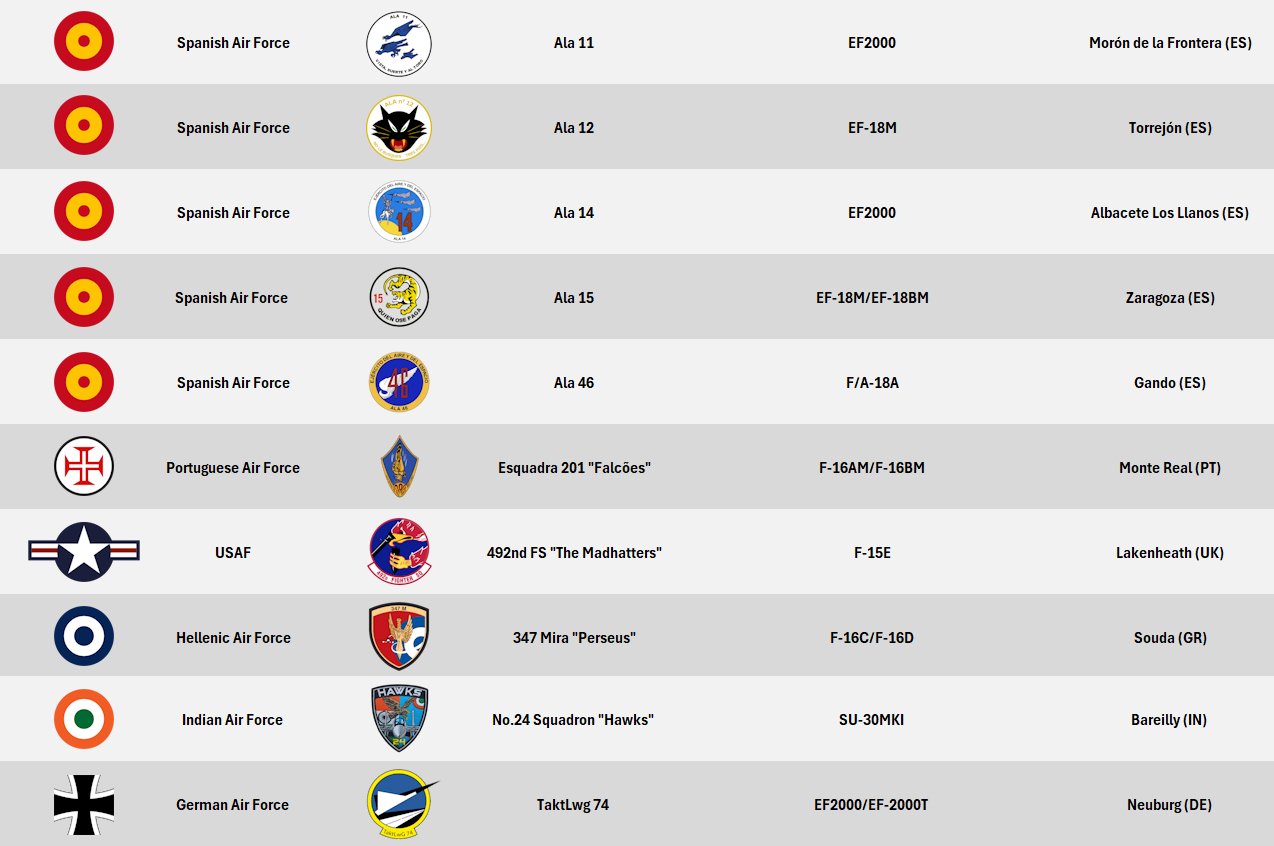
Ocean Sky 2025 brought together a diverse and highly capable group of air forces, turning the skies over the Canary Islands into a true multinational training environment. Hosted by Spain, the exercise saw the participation of six NATO and non NATO nations, each contributing aircraft with distinct capabilities and operational philosophies.
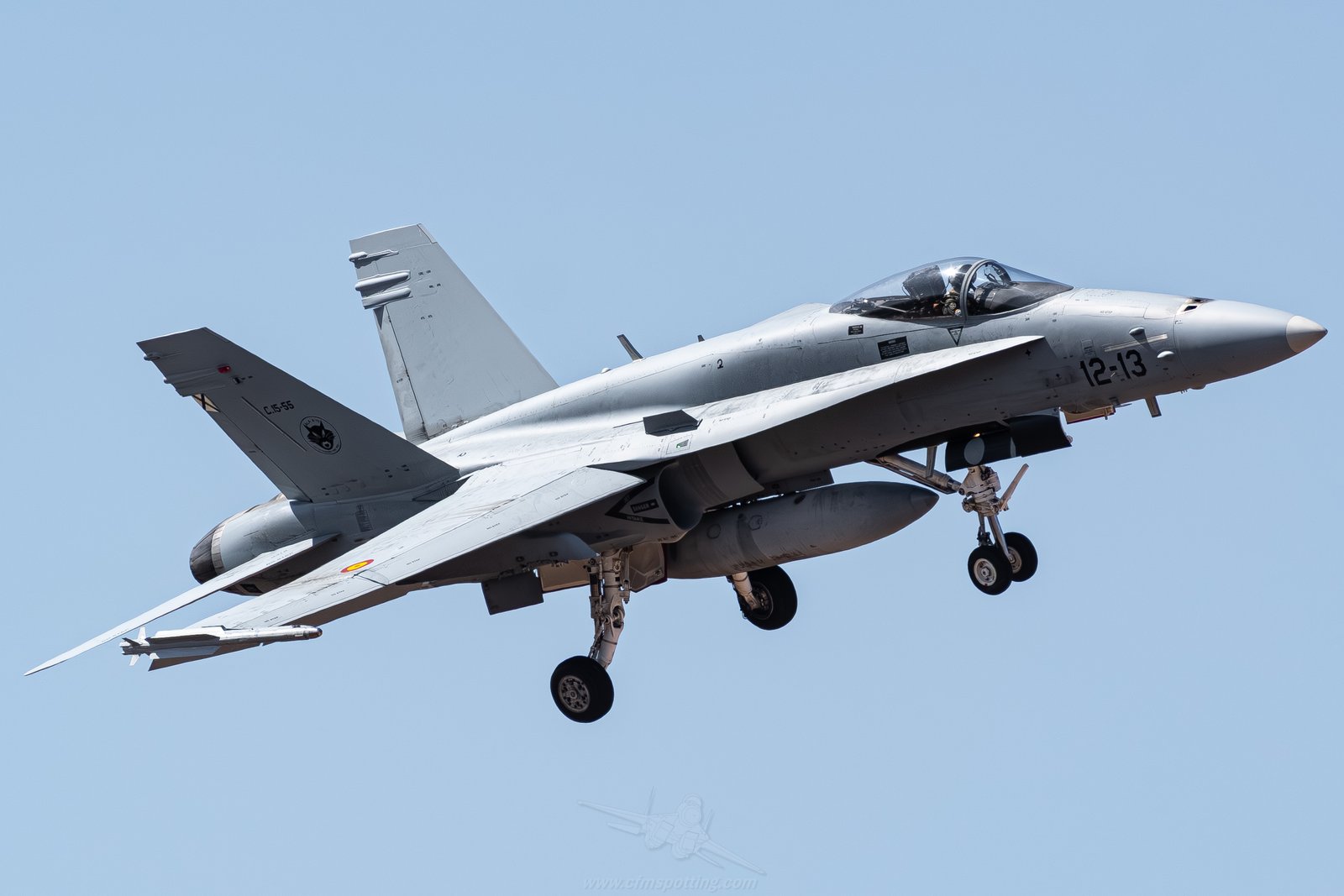
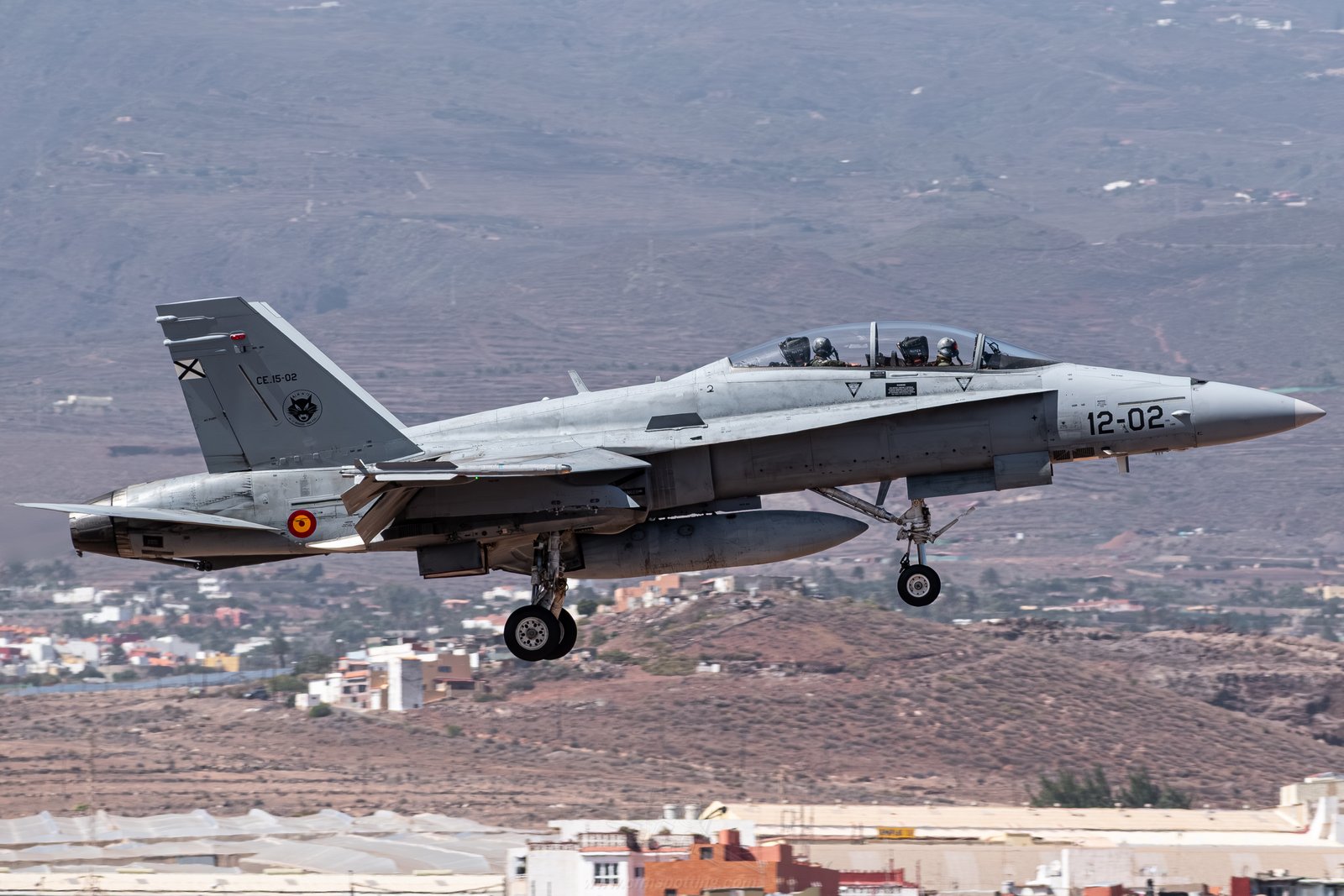
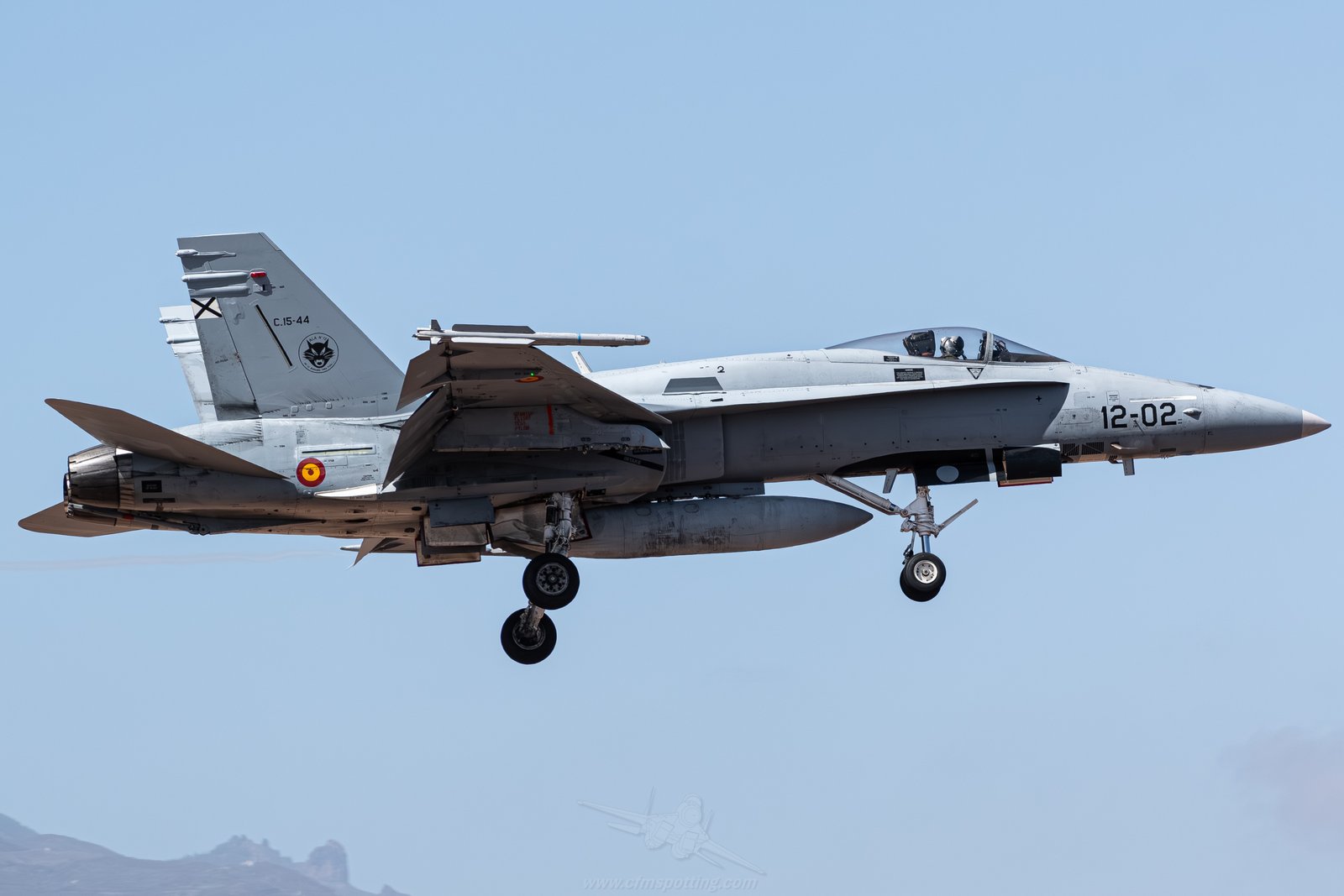
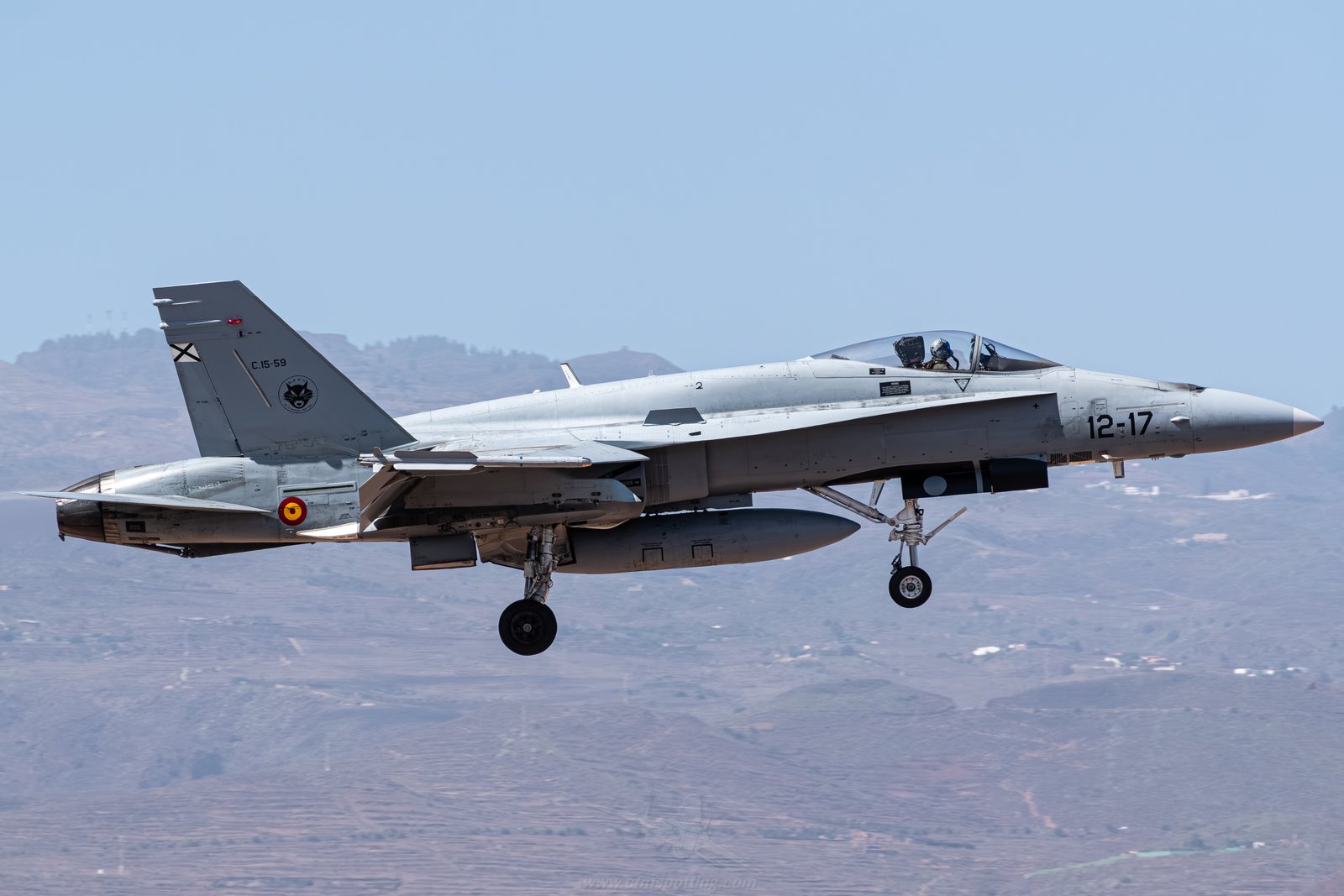
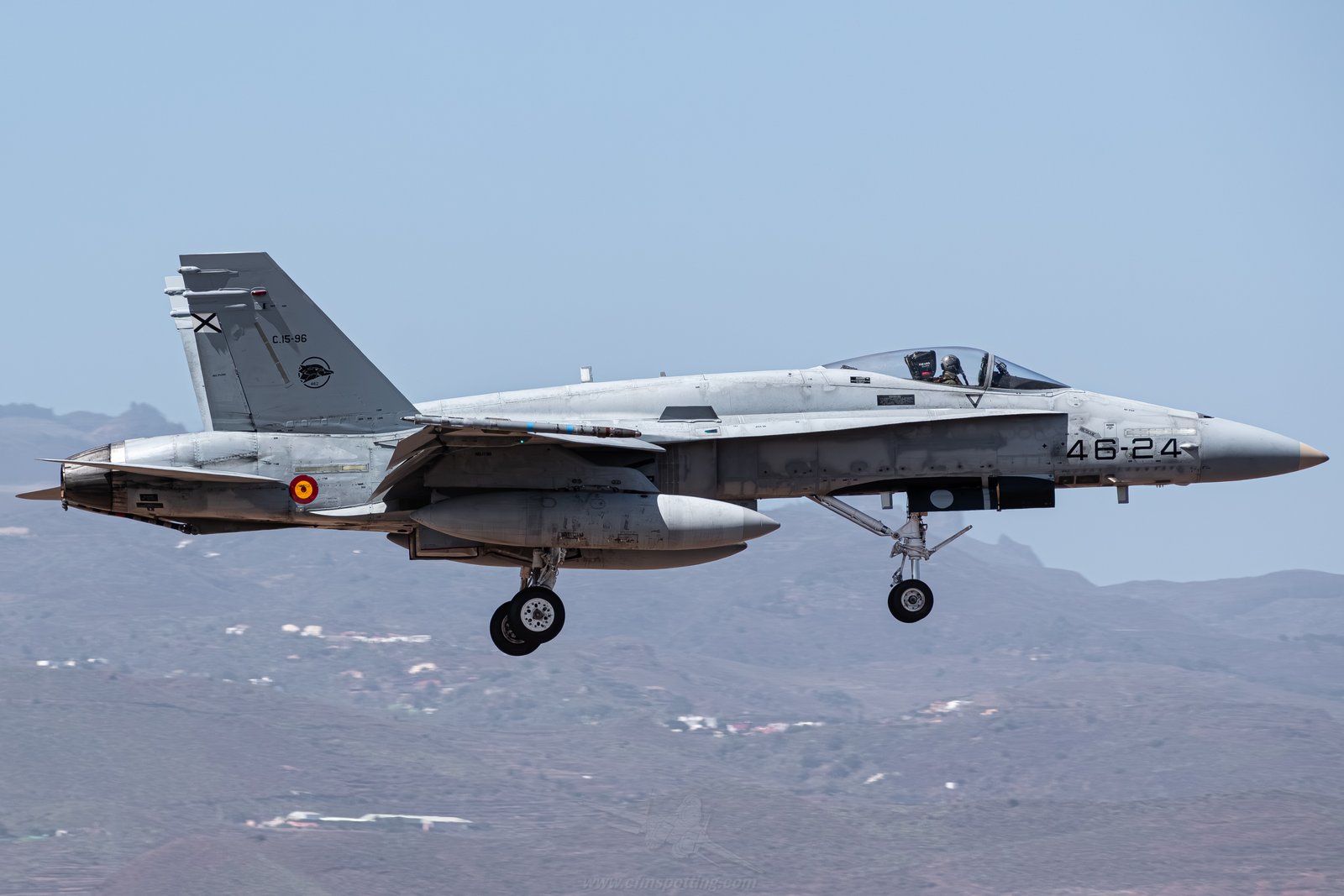
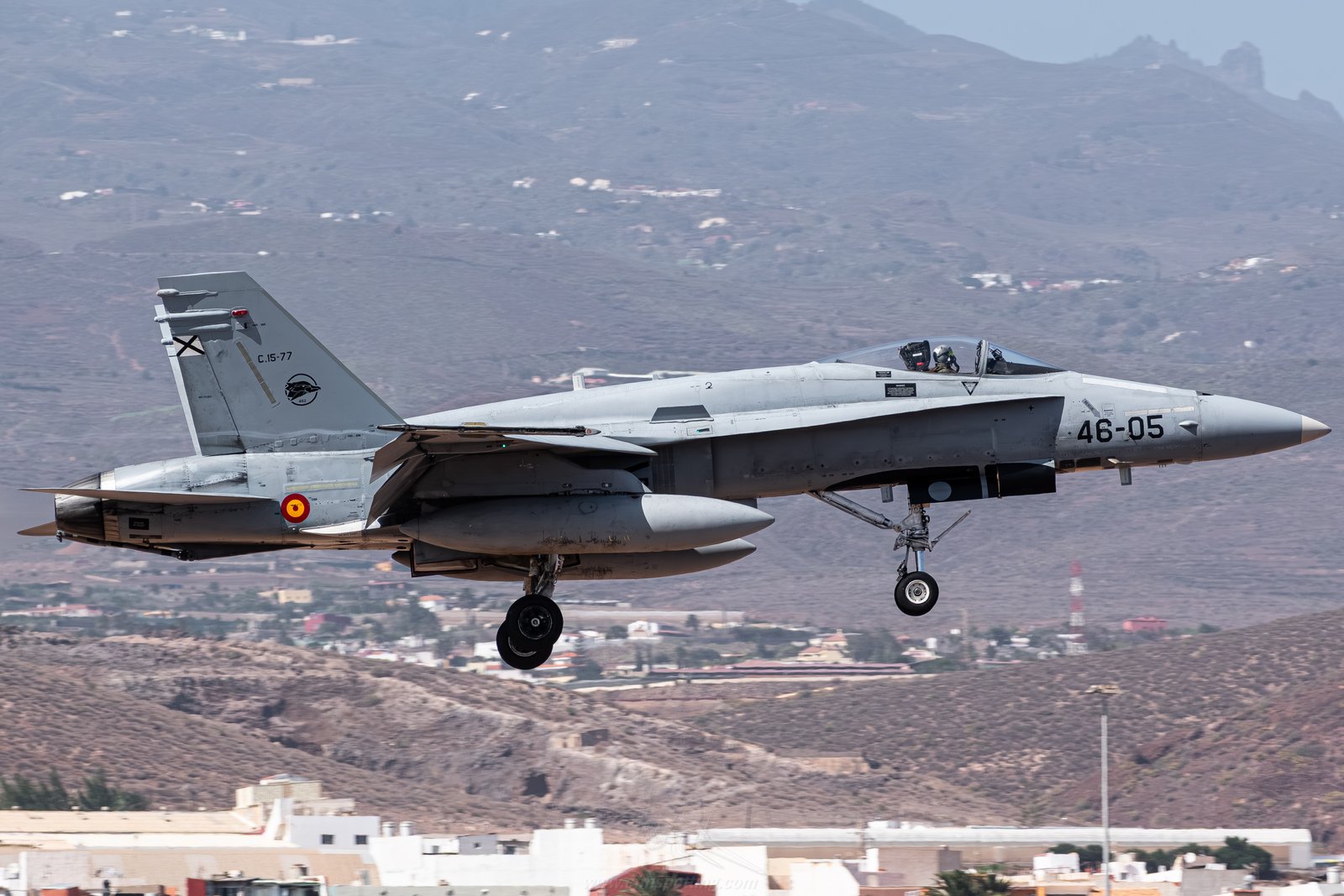
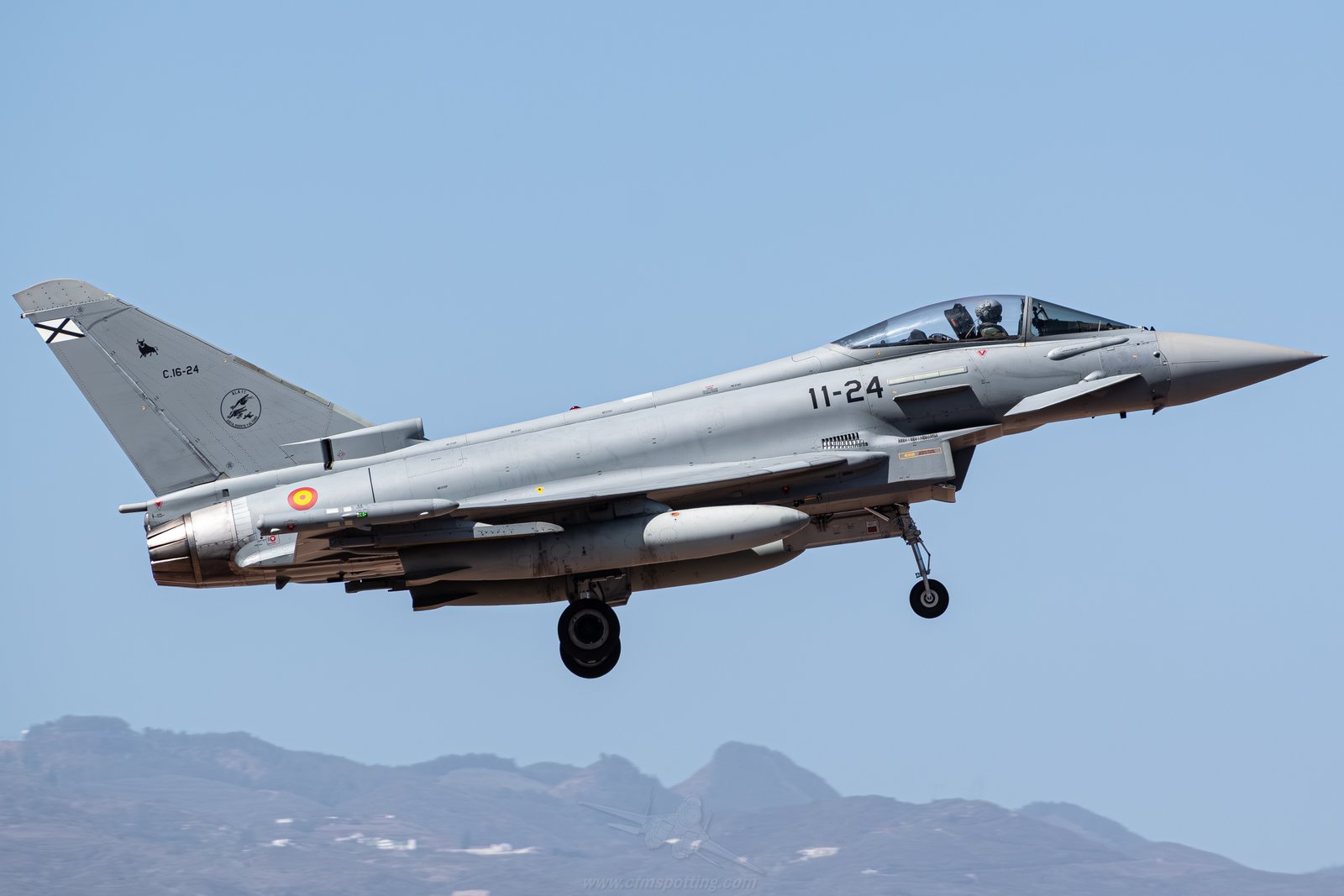
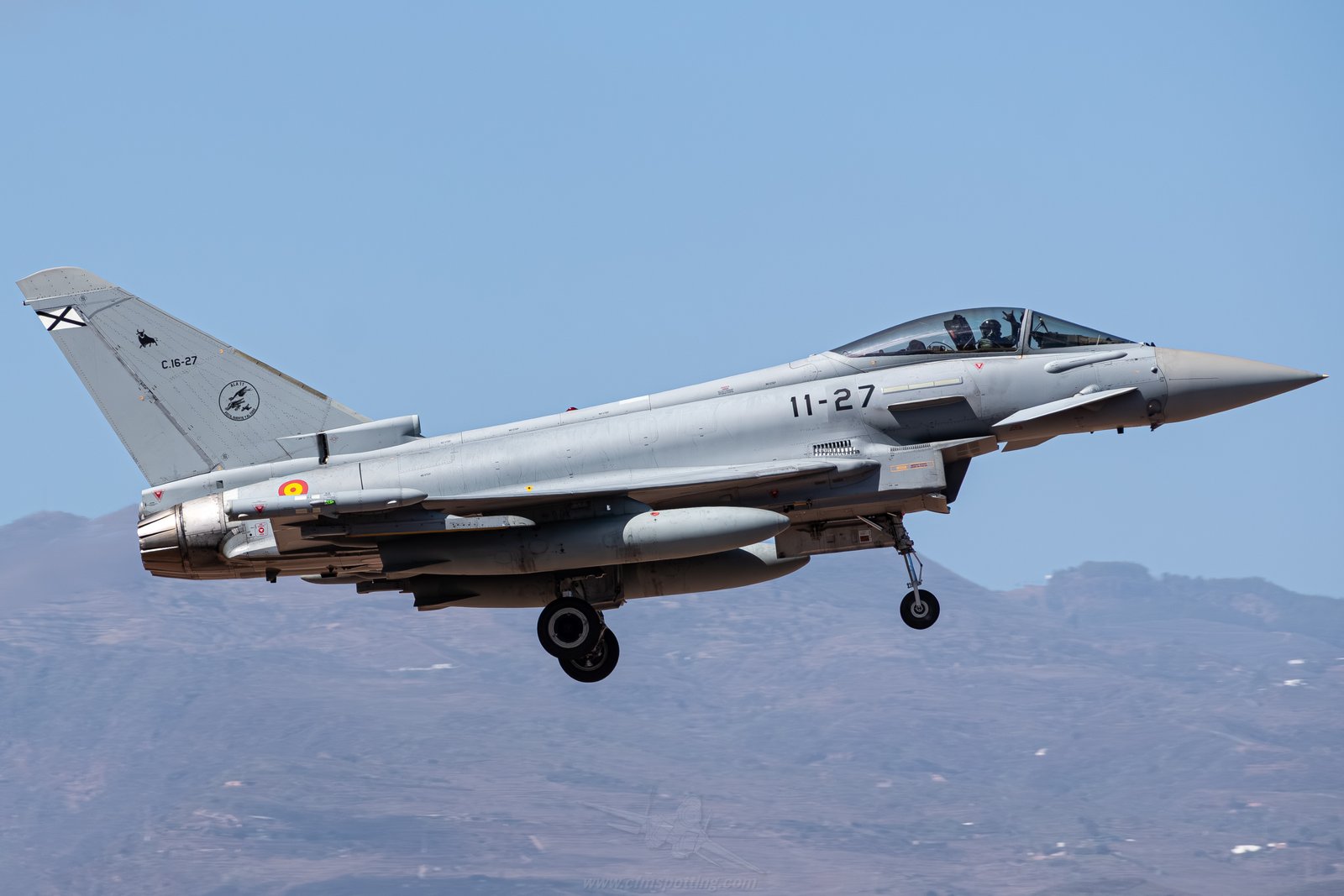
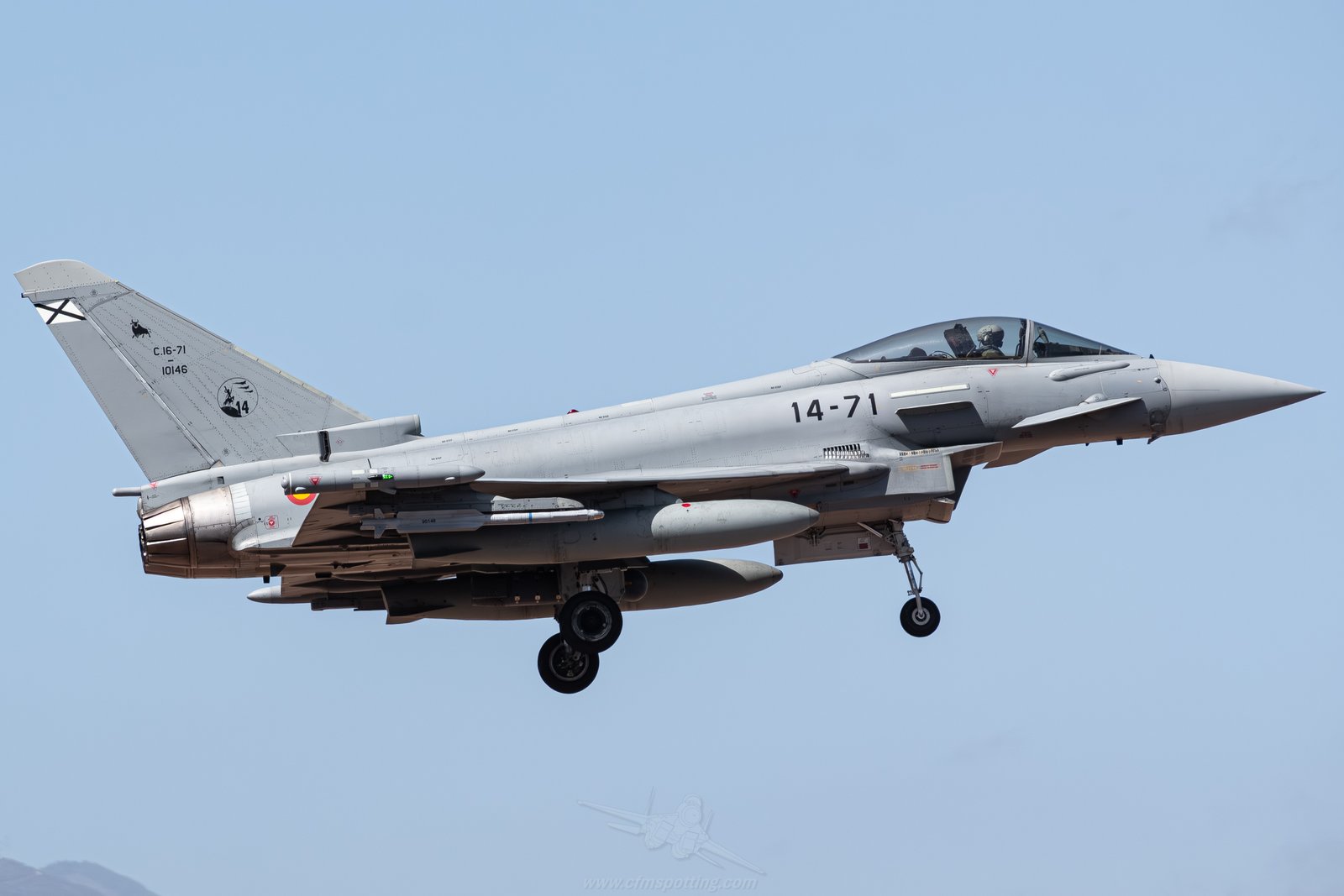
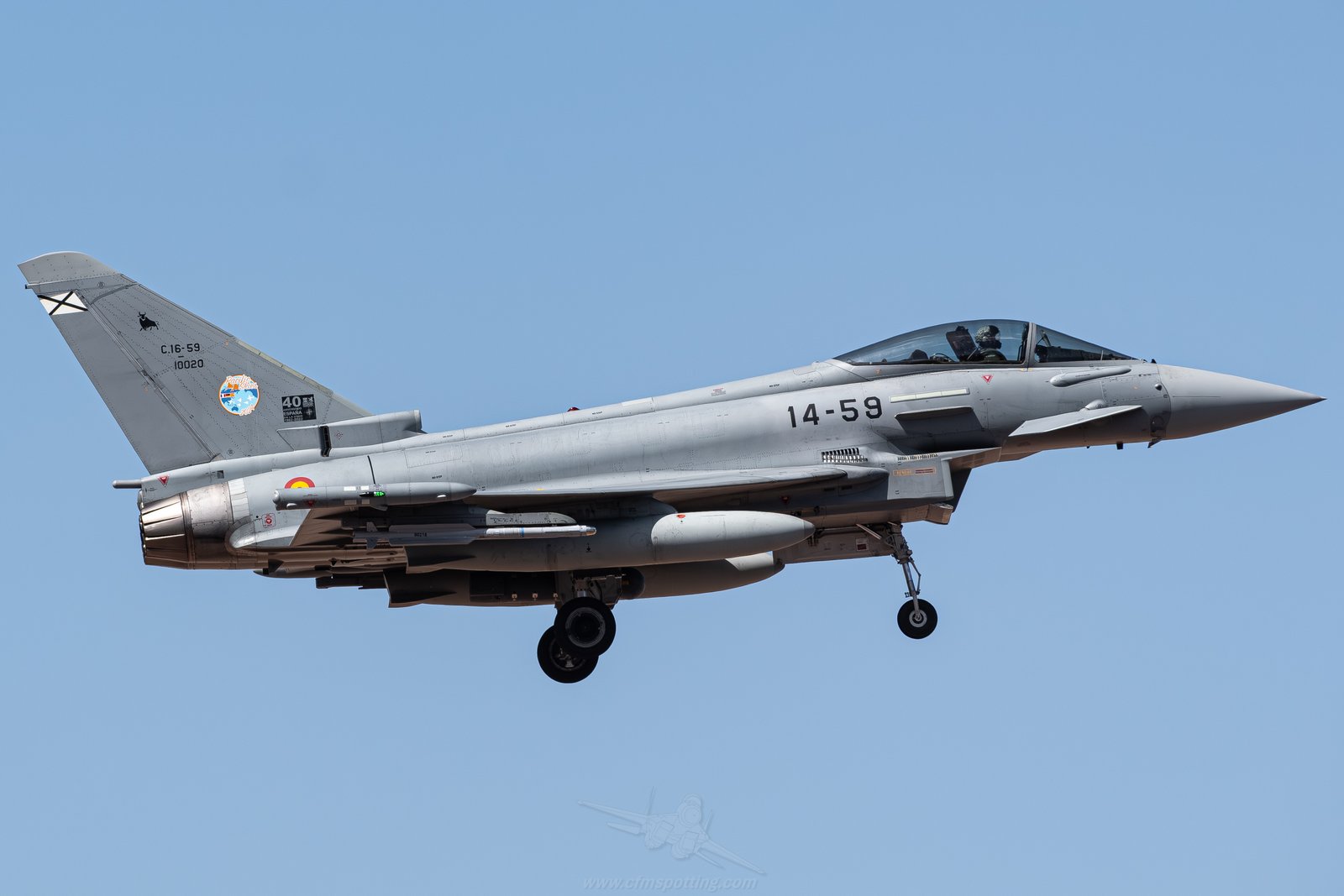
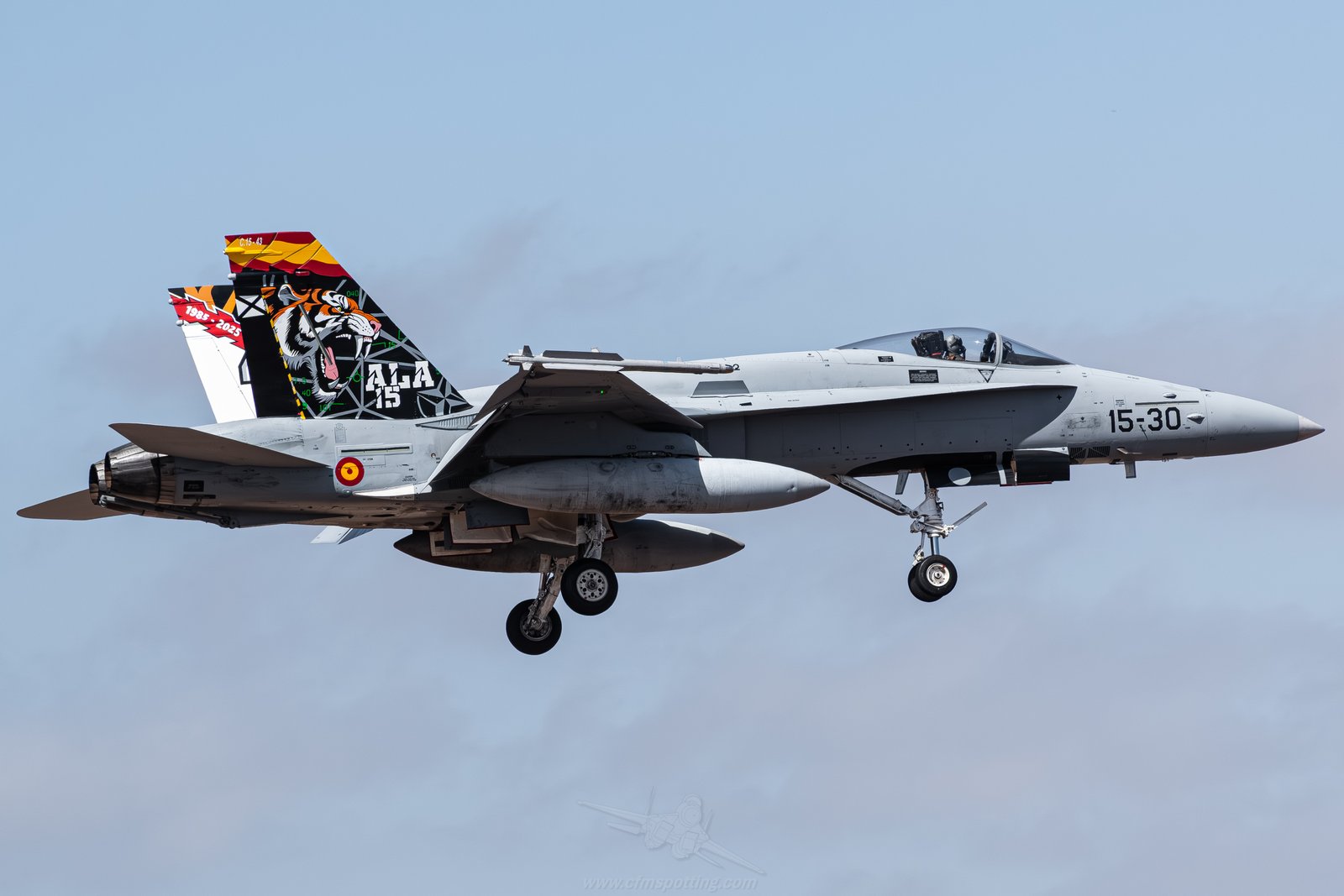
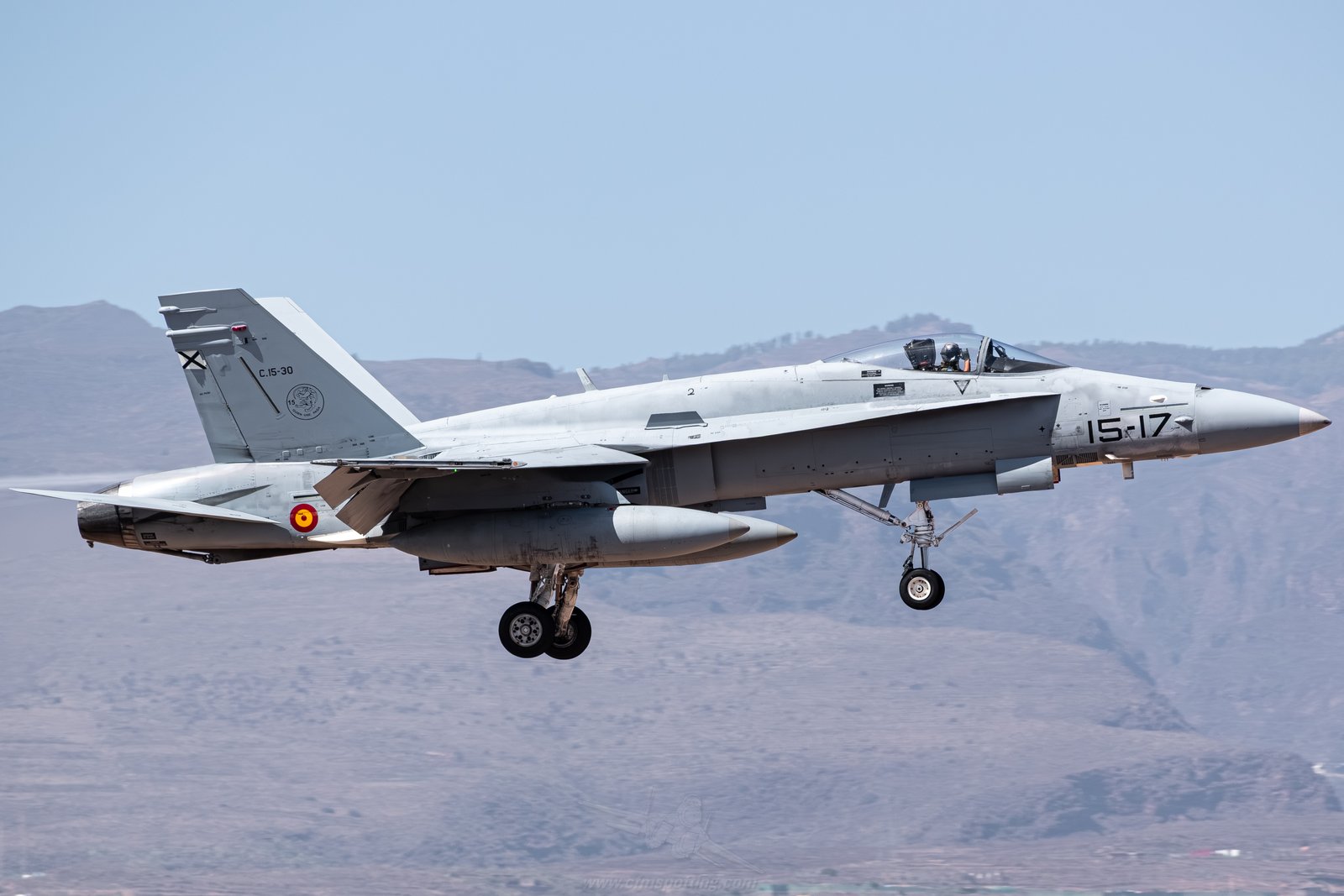
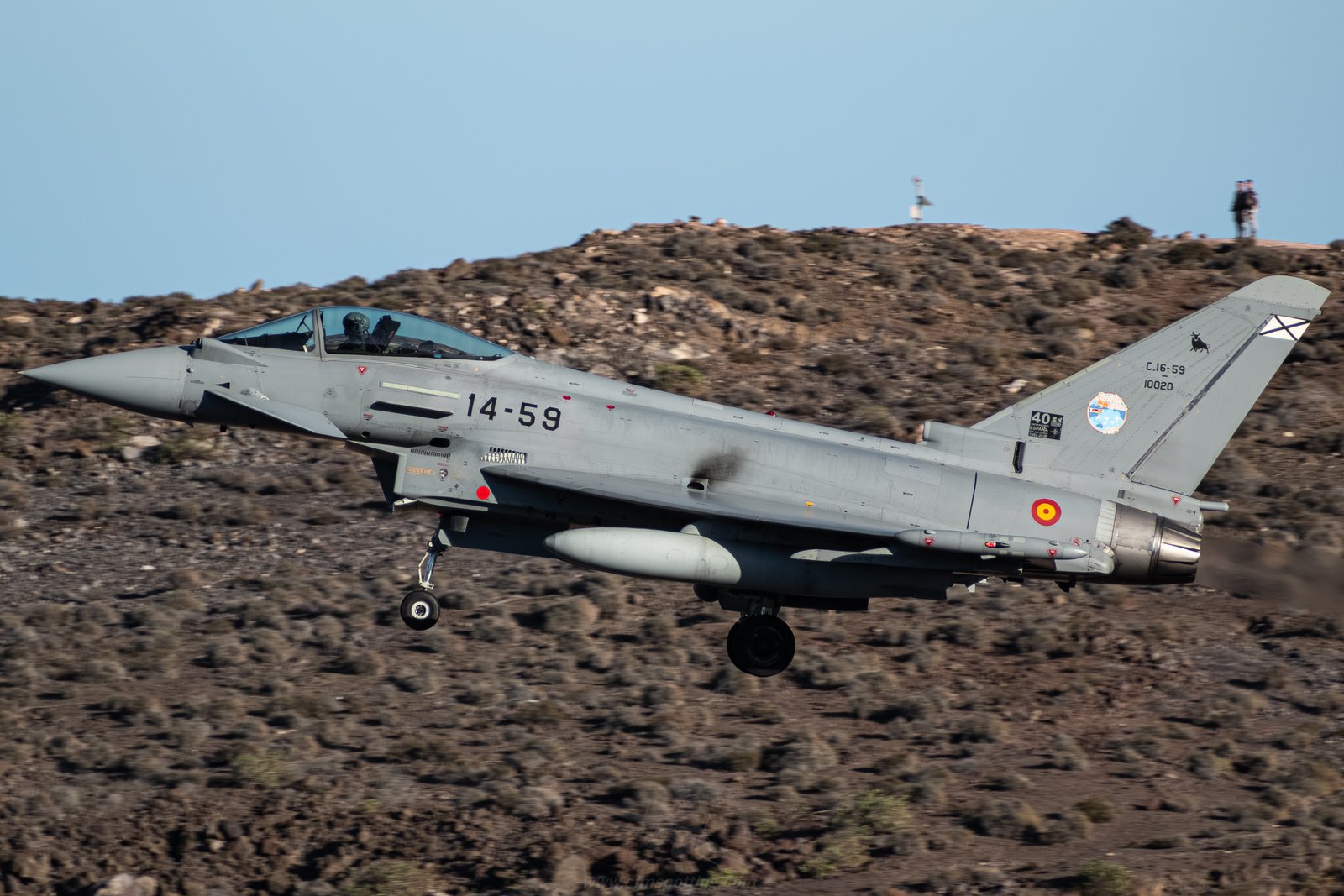
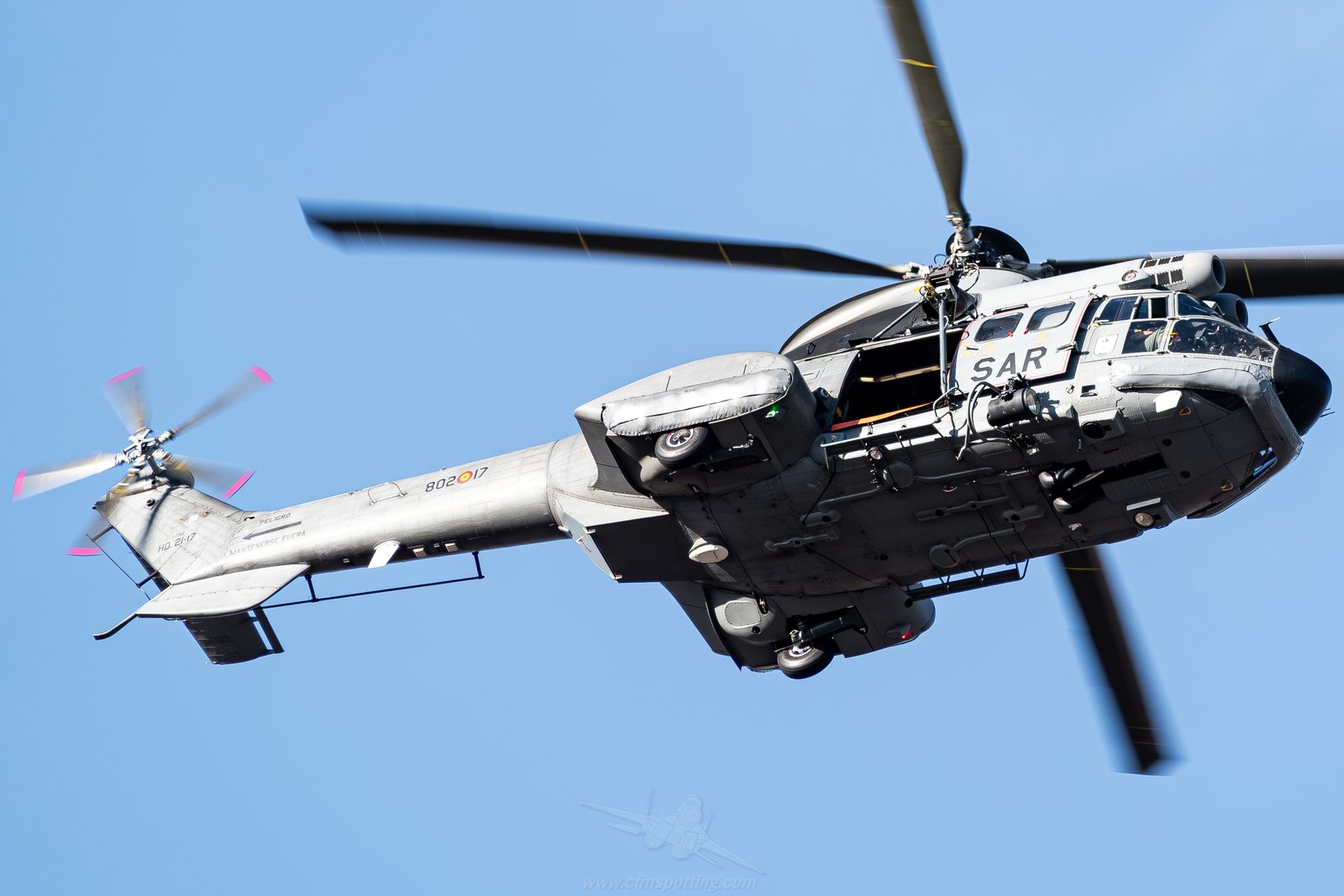
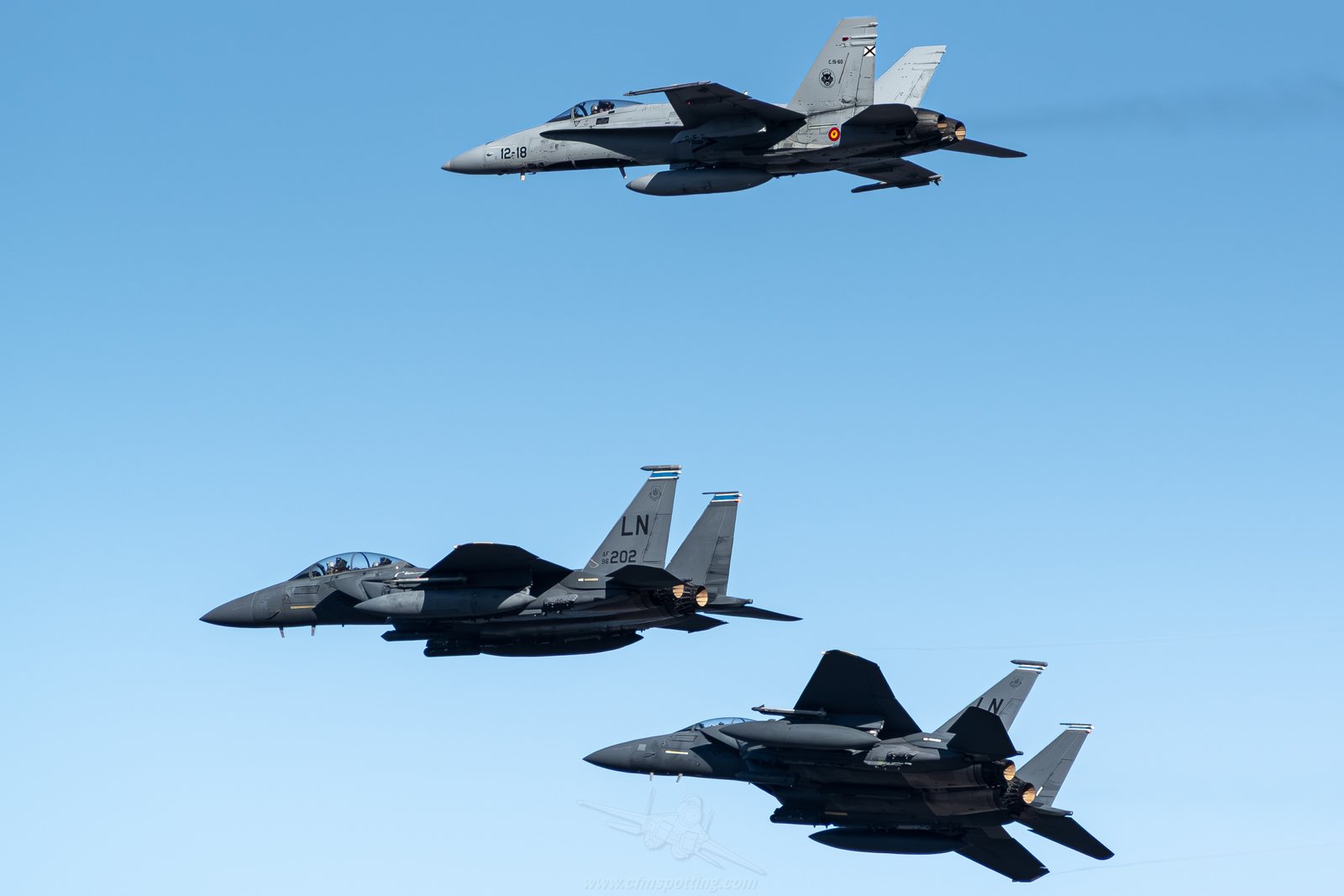
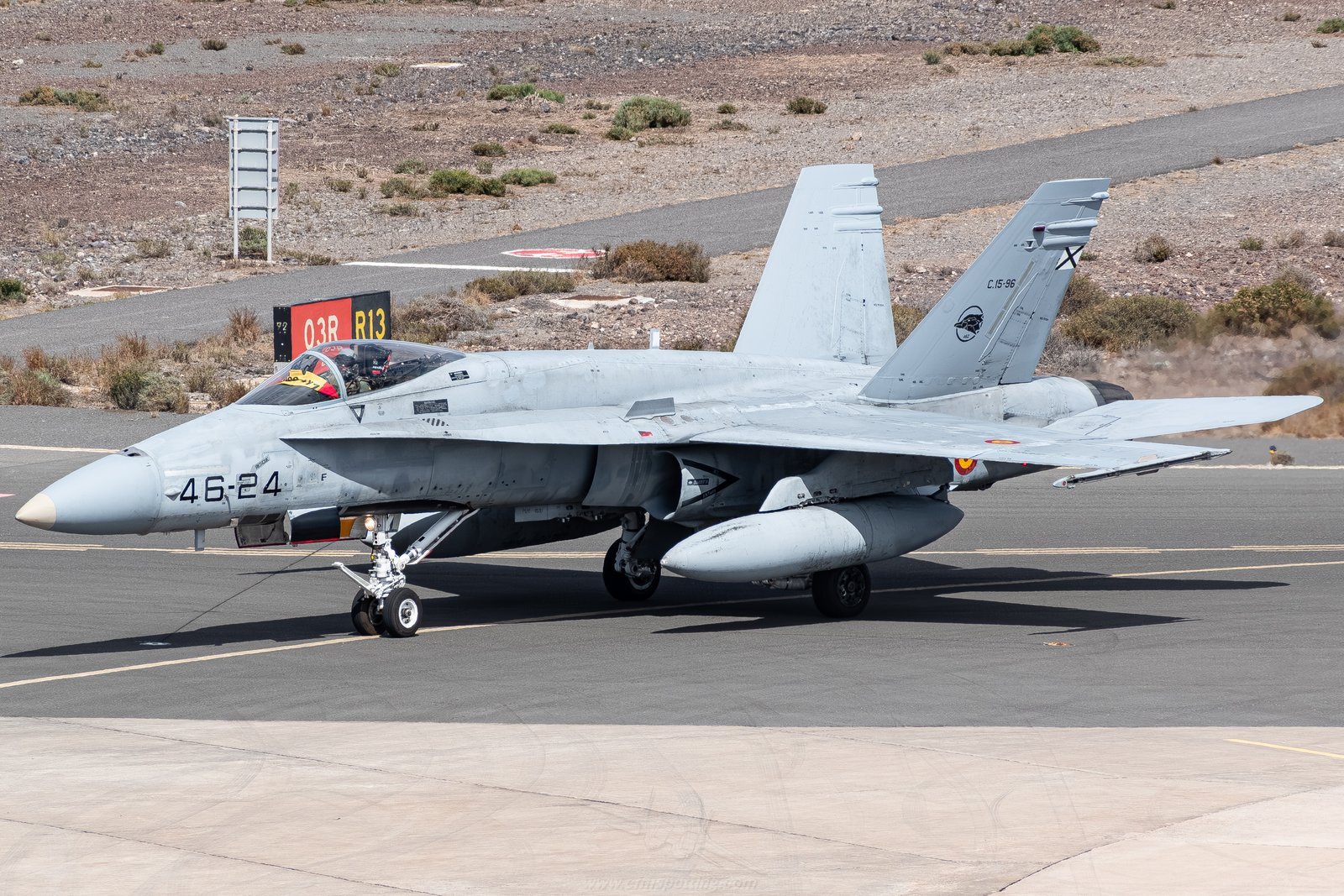
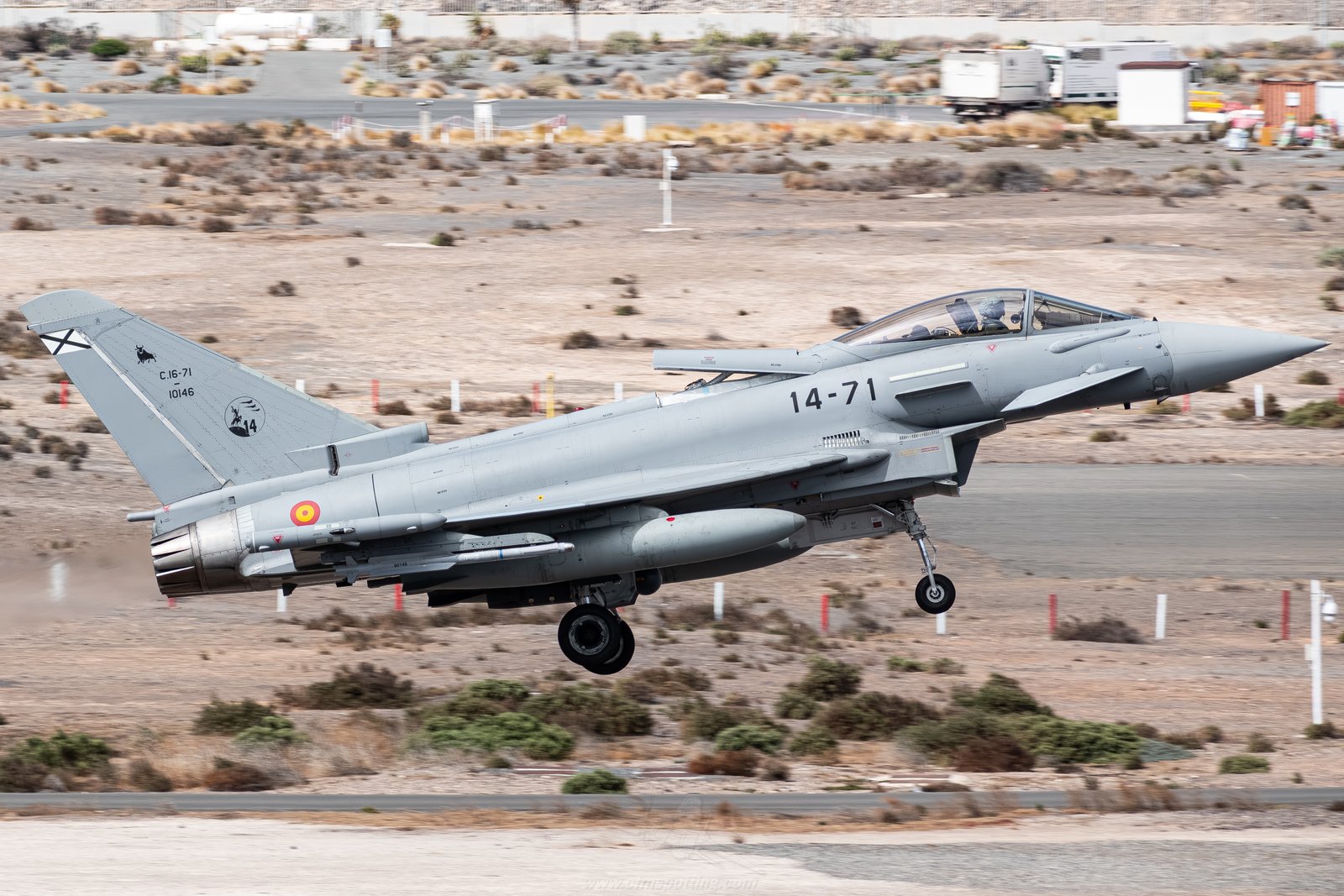
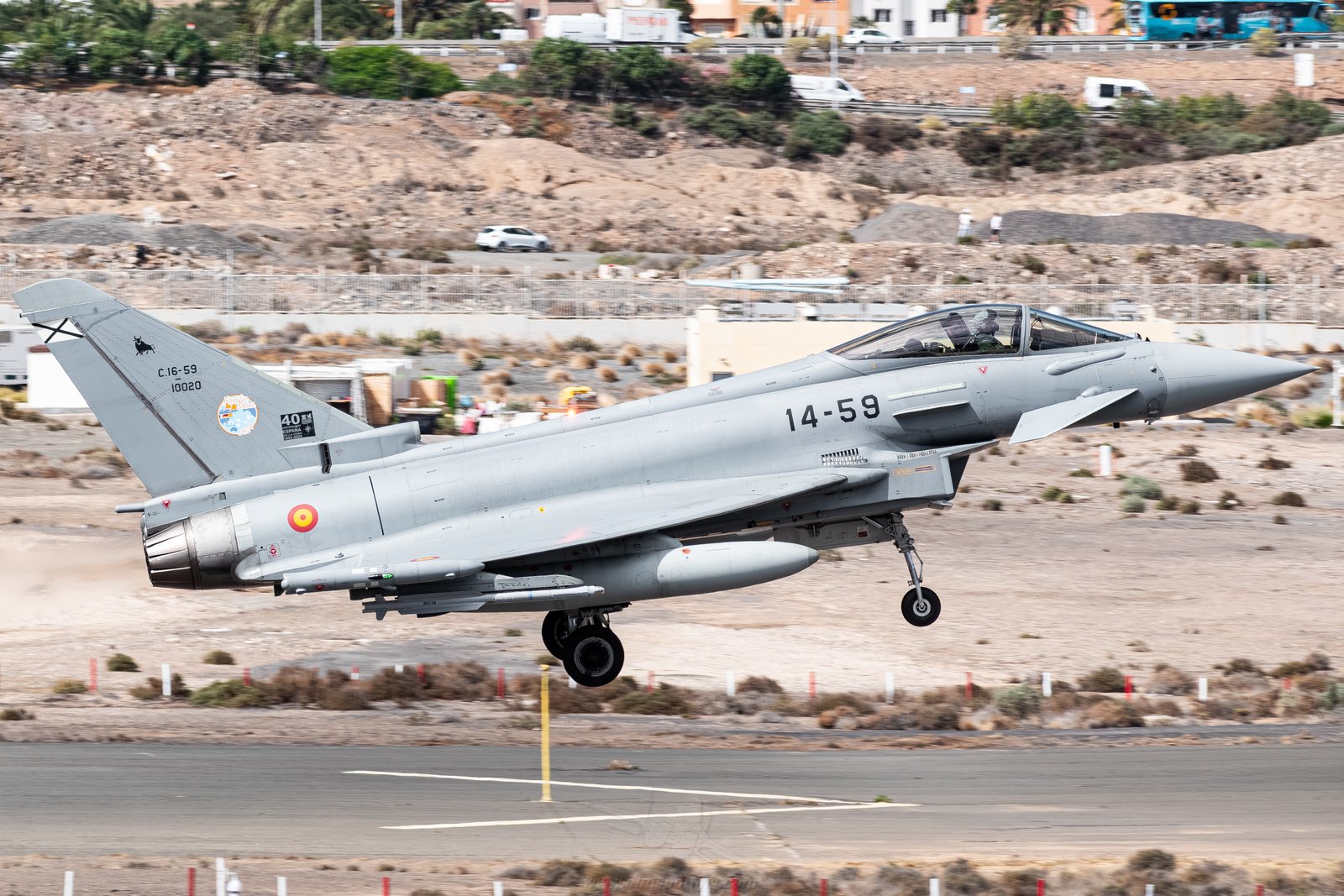
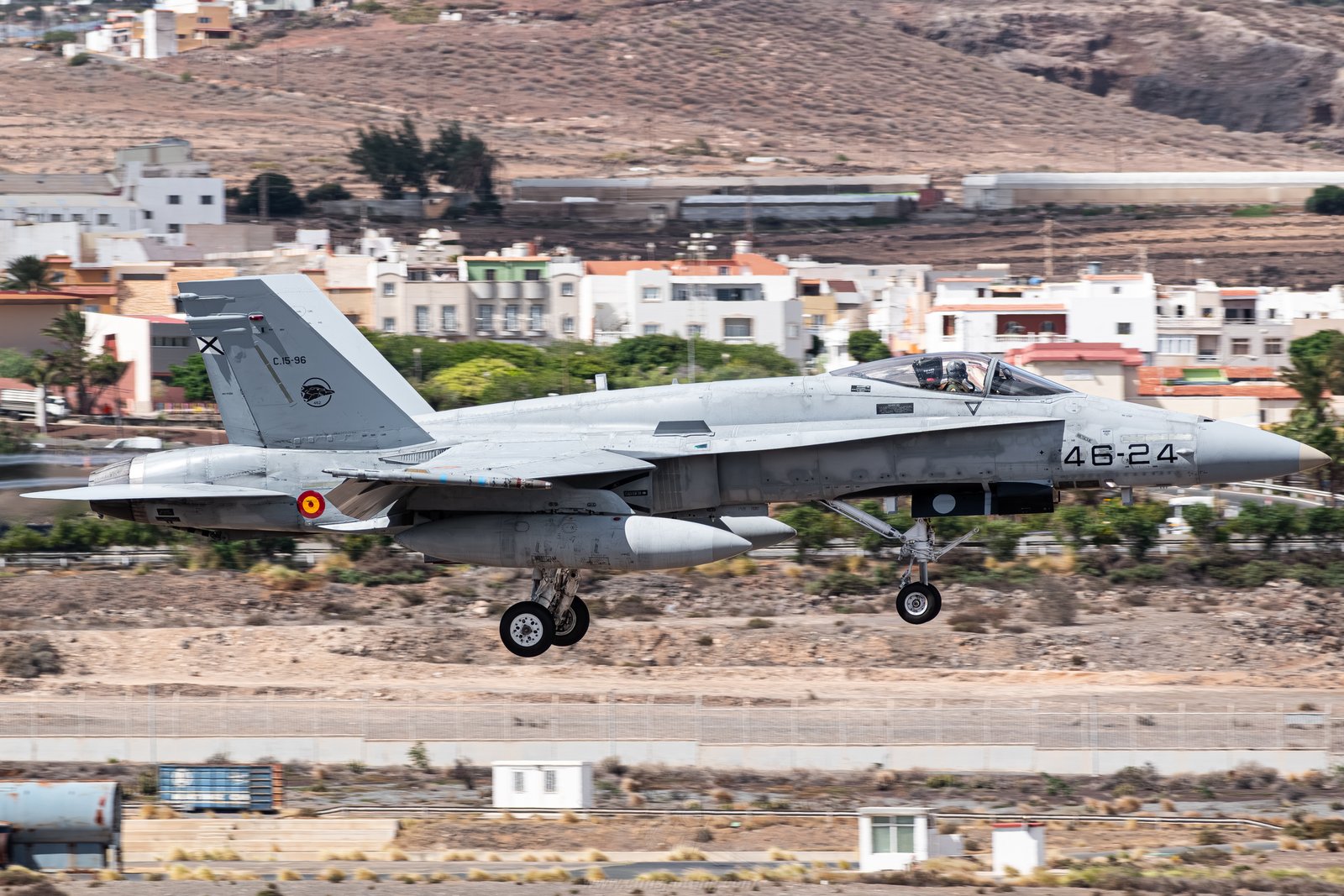
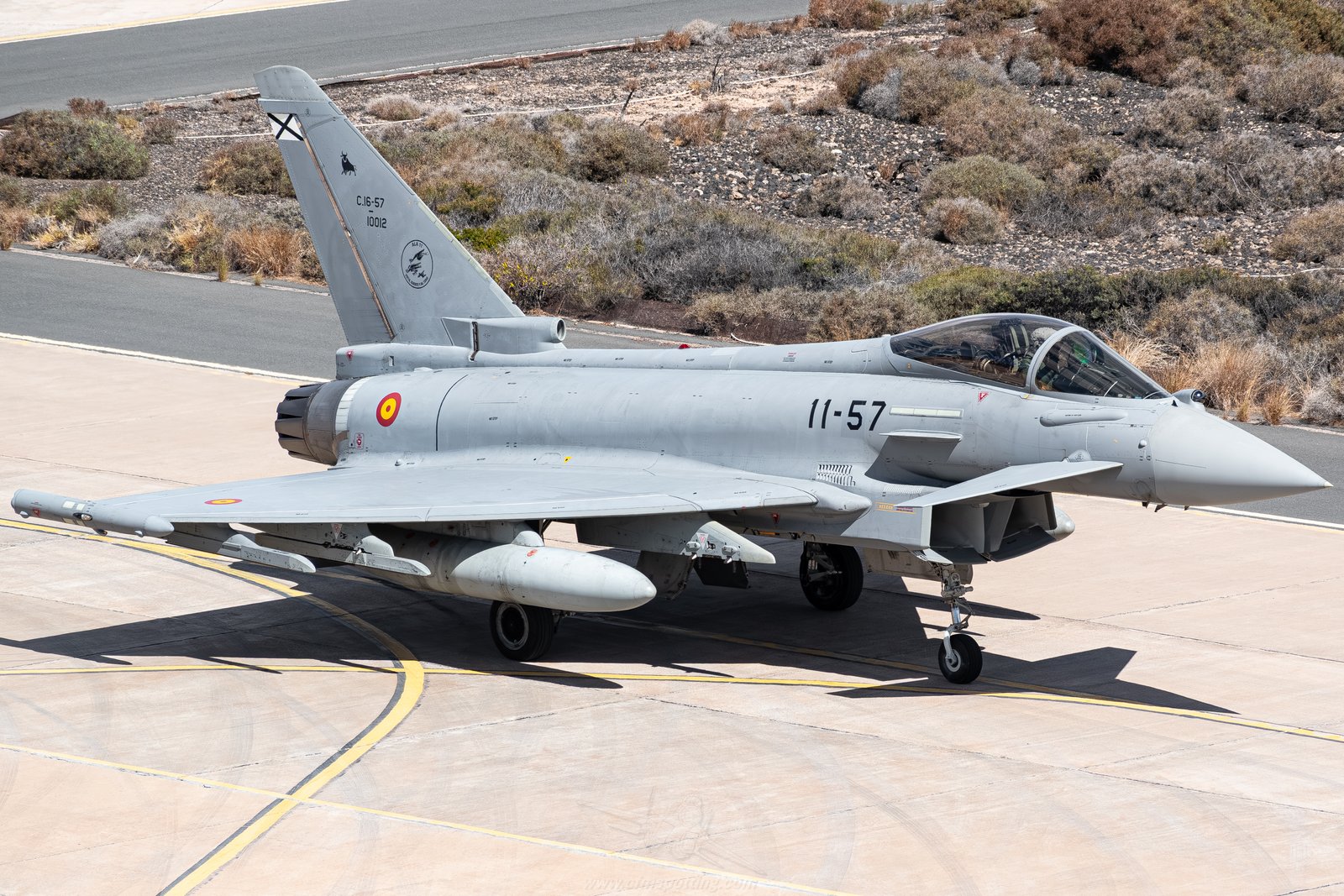
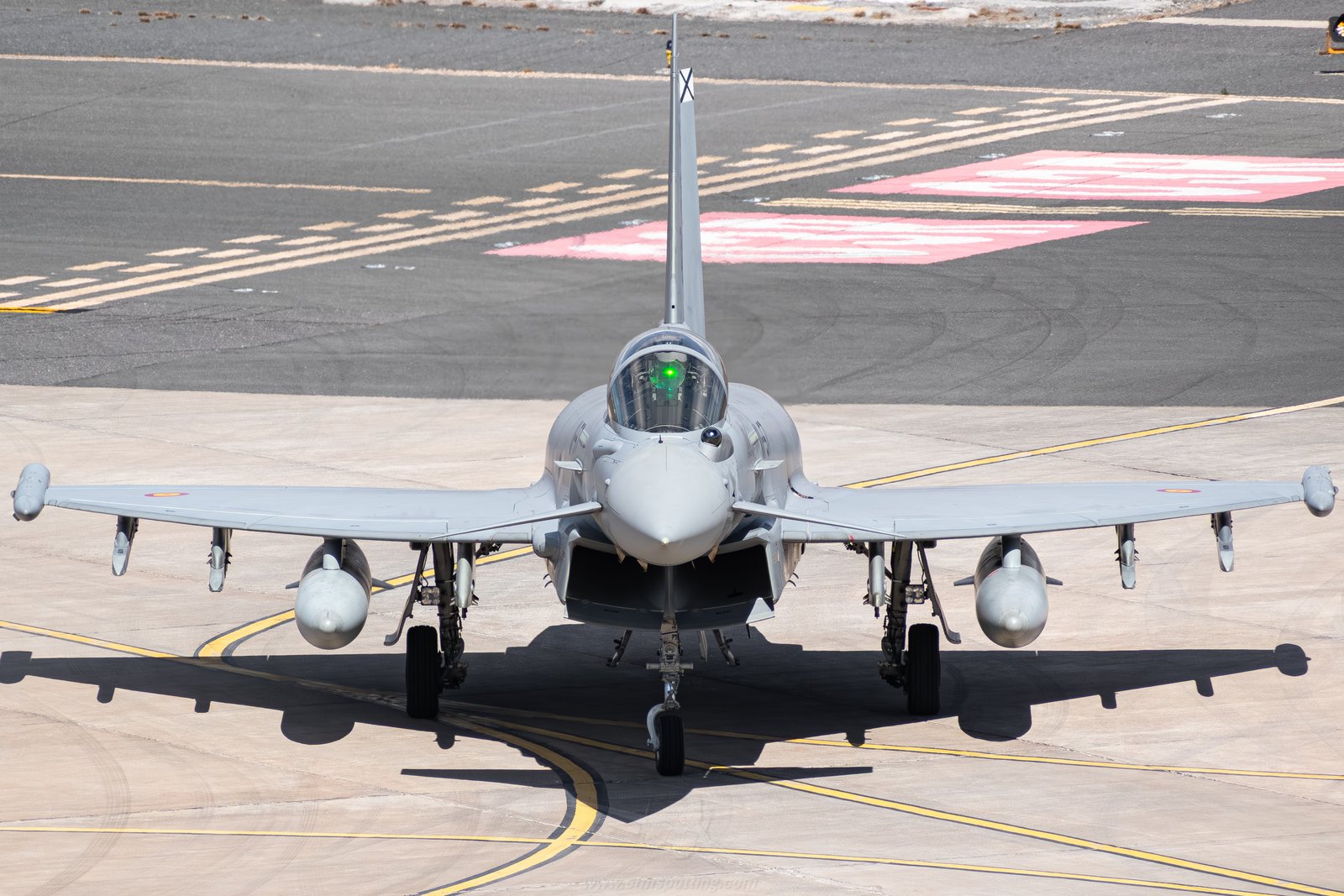
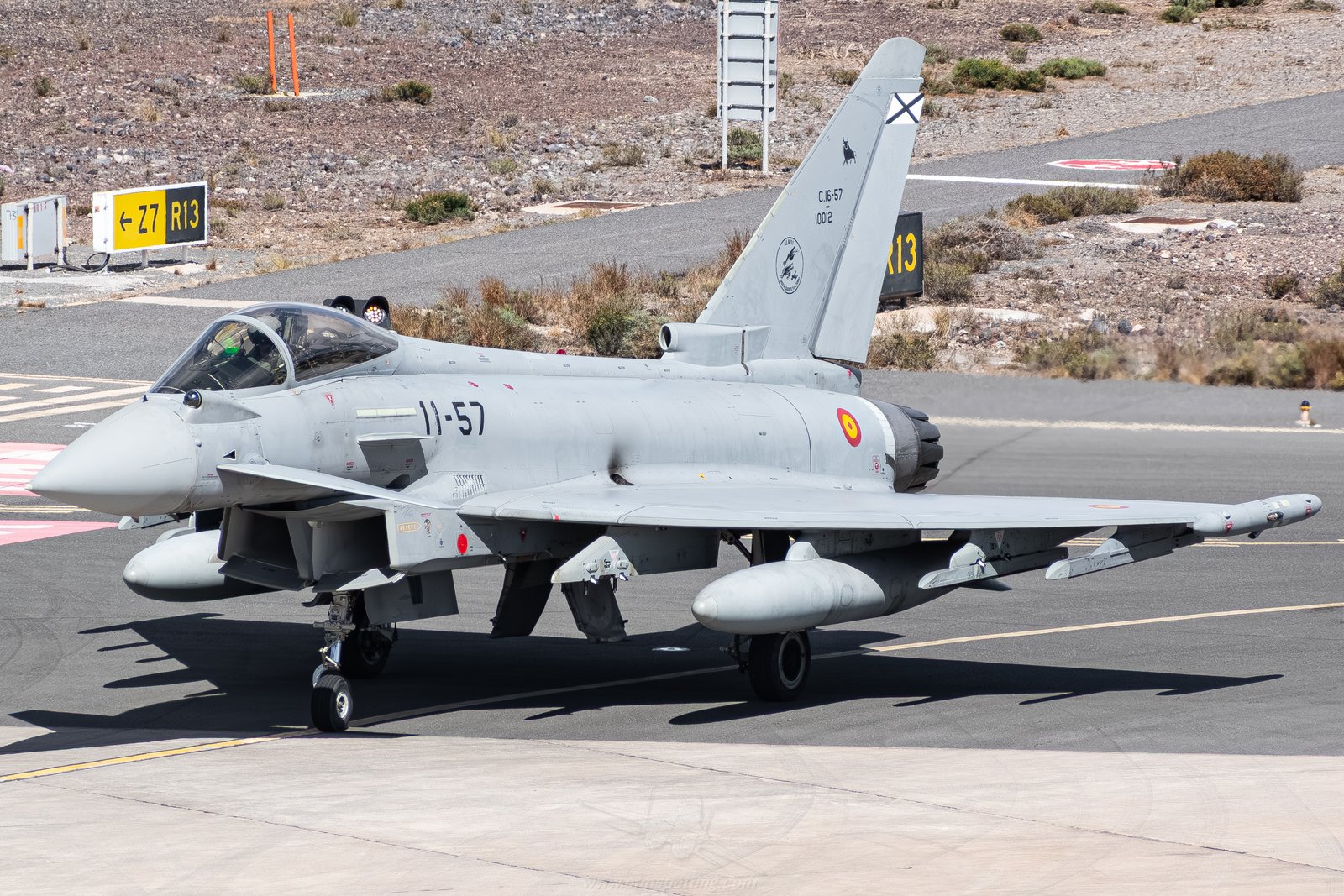
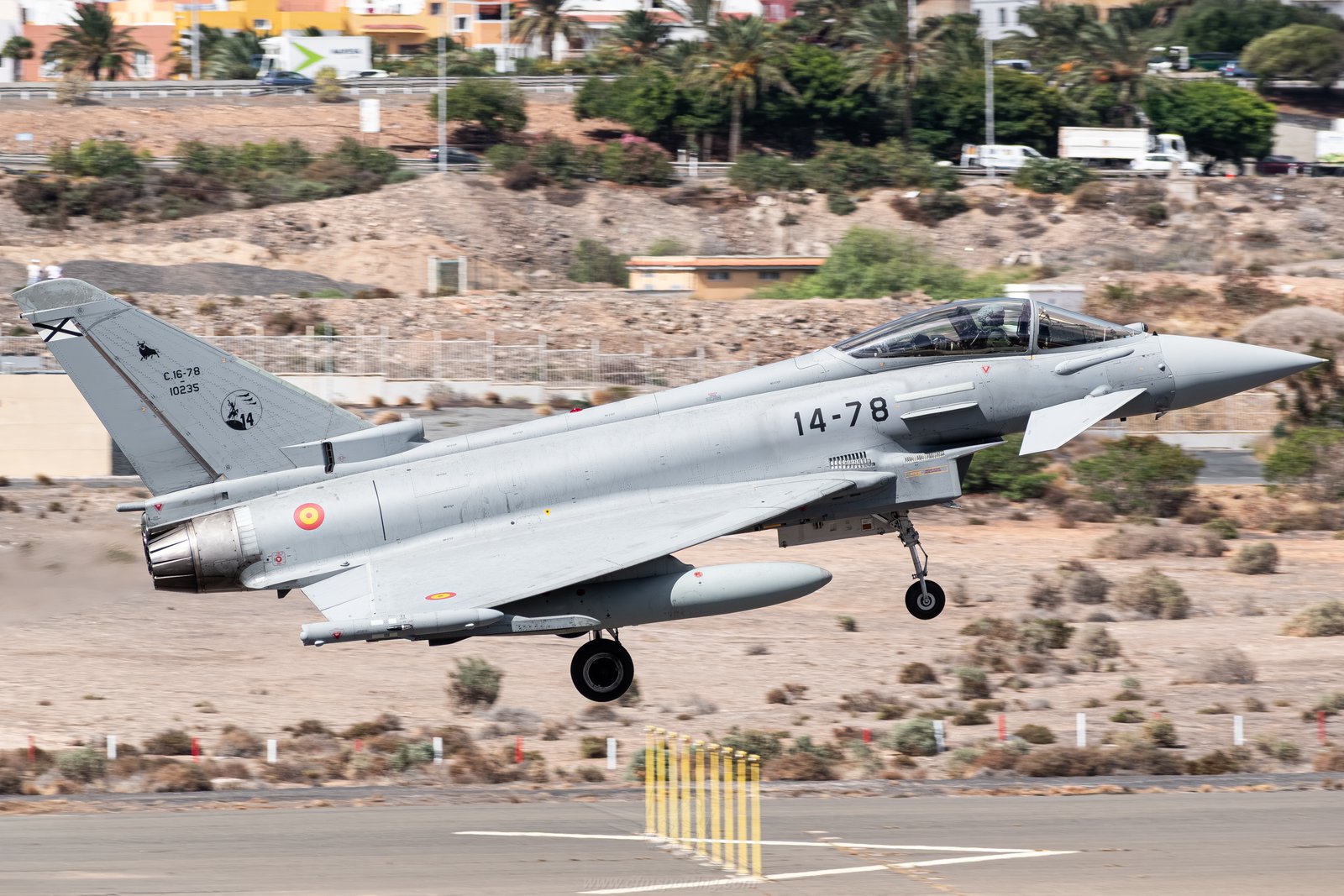
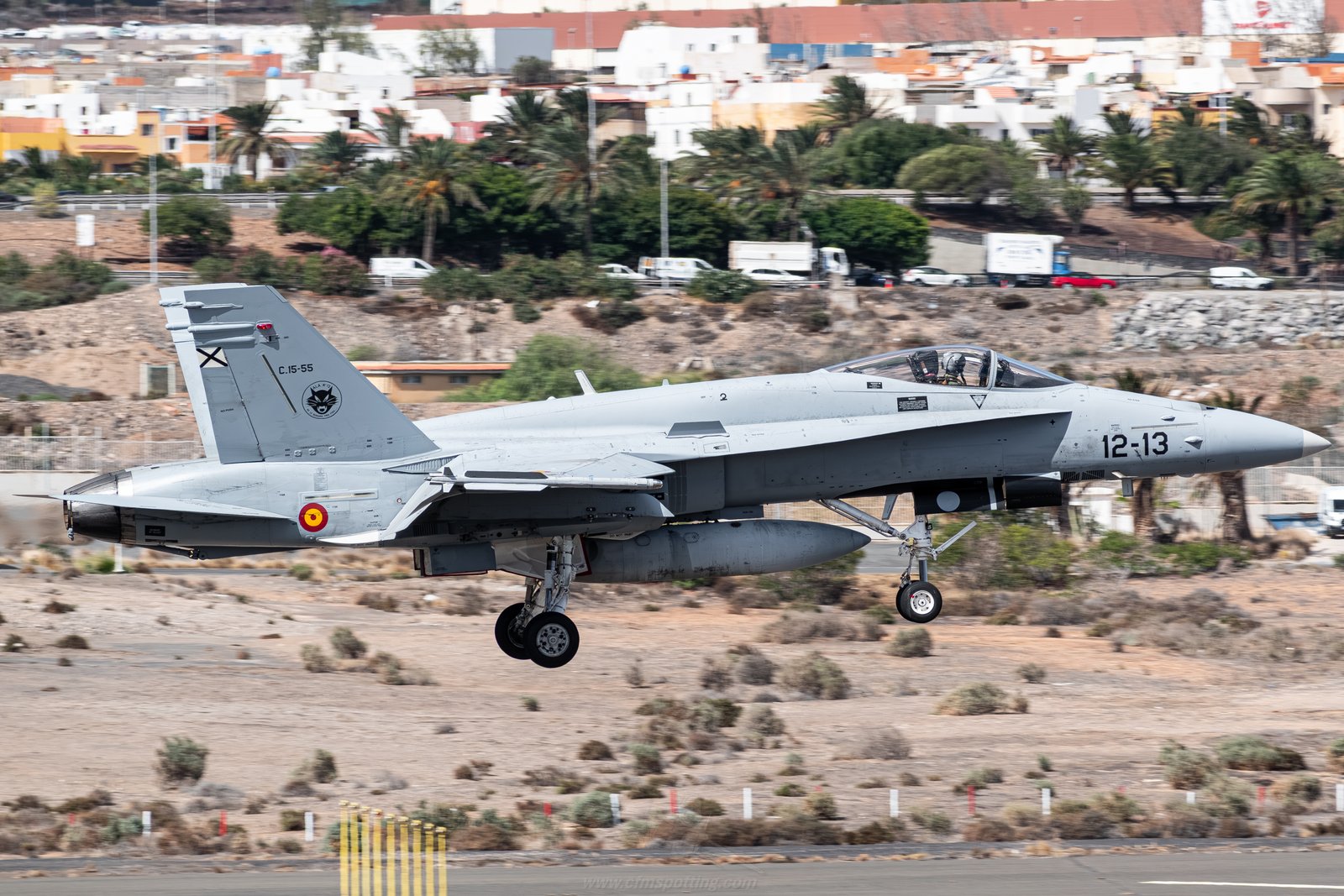
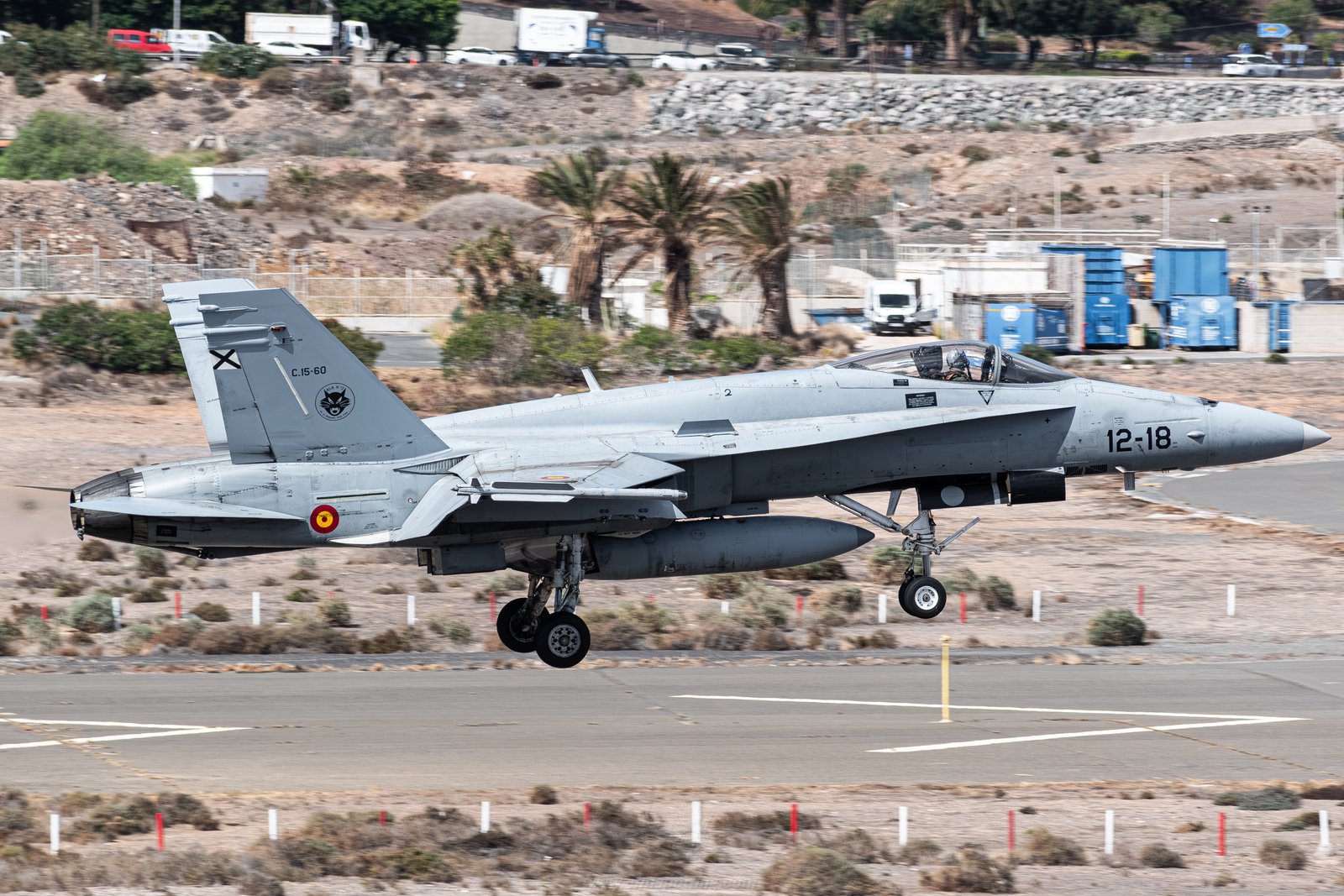
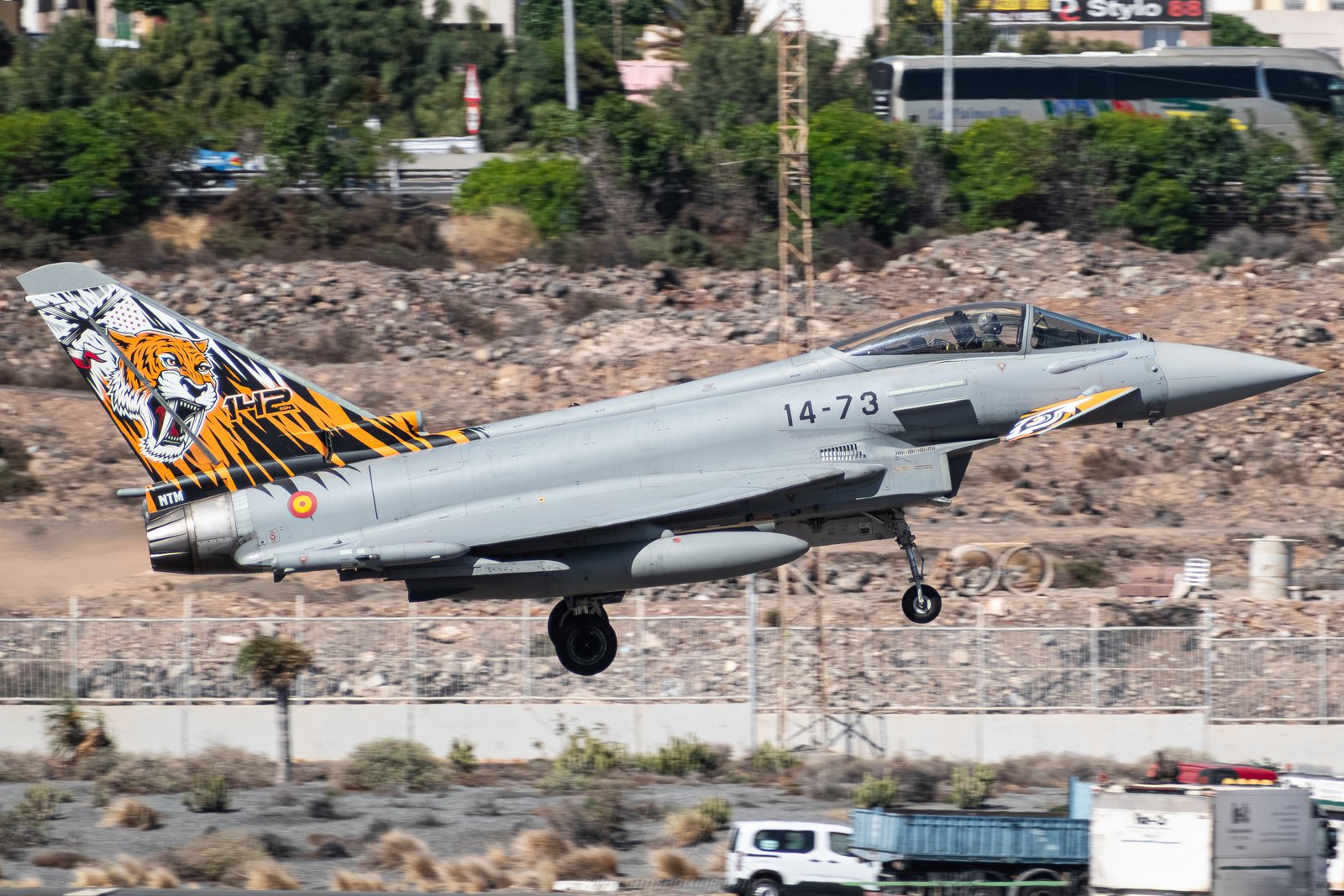
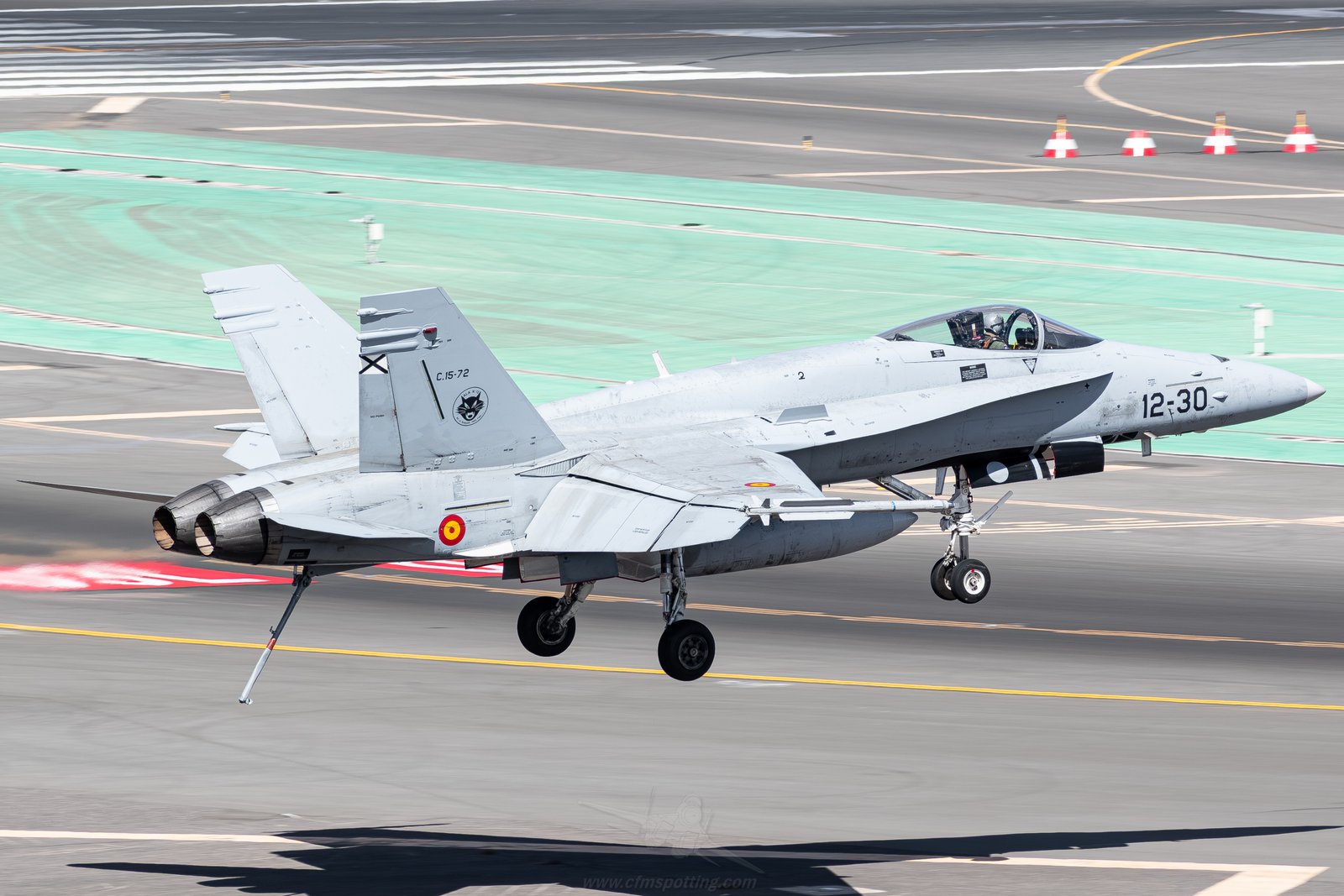
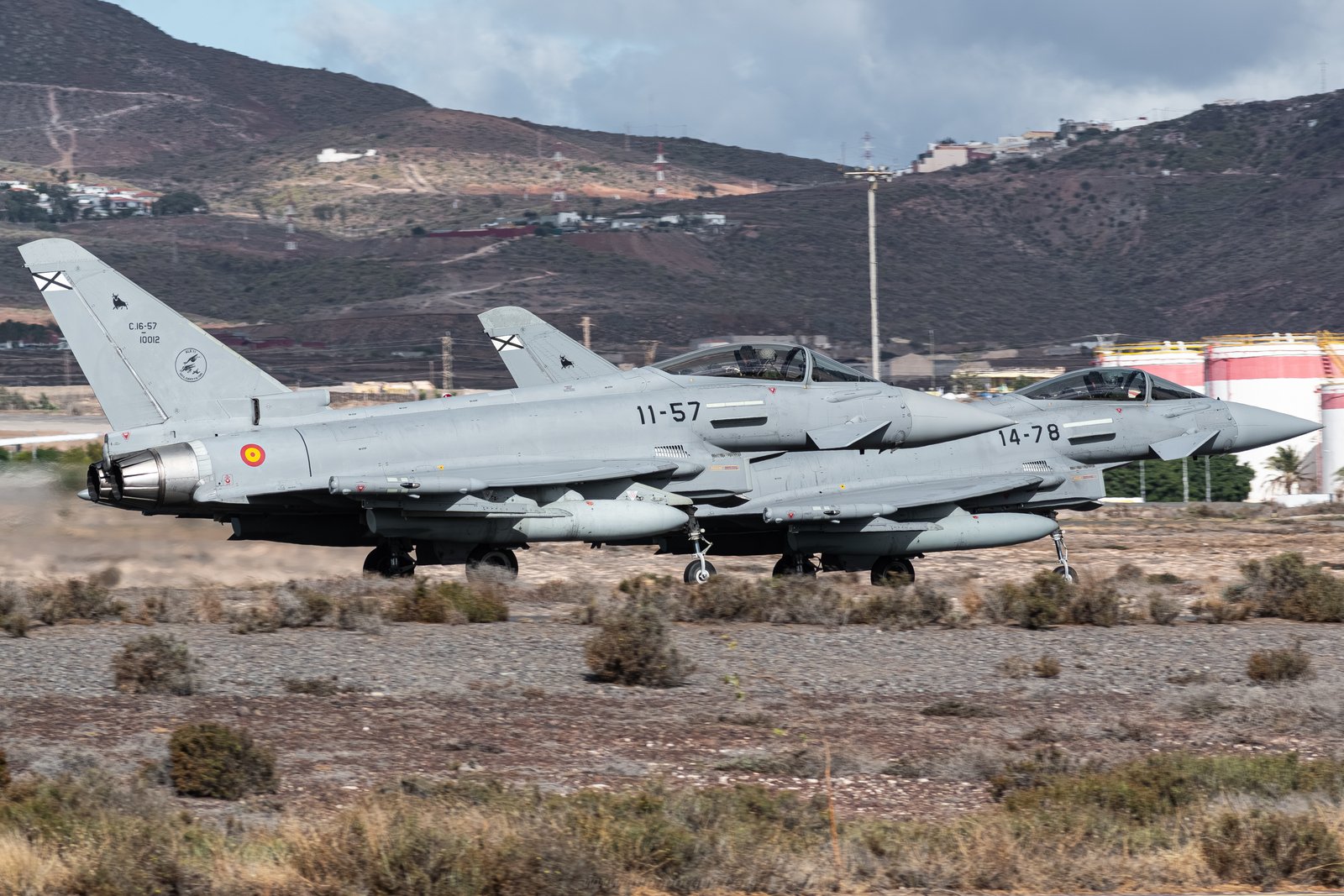
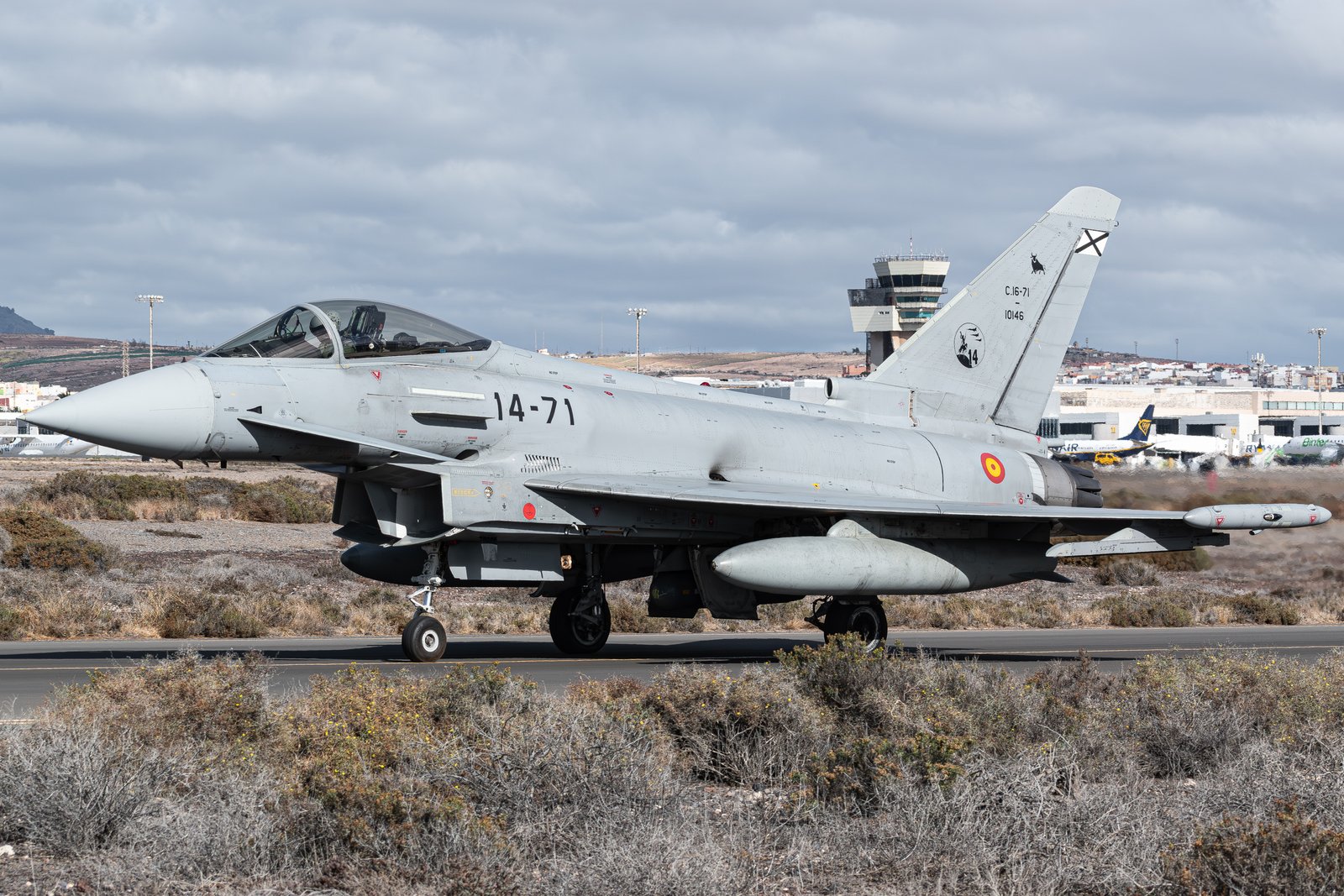
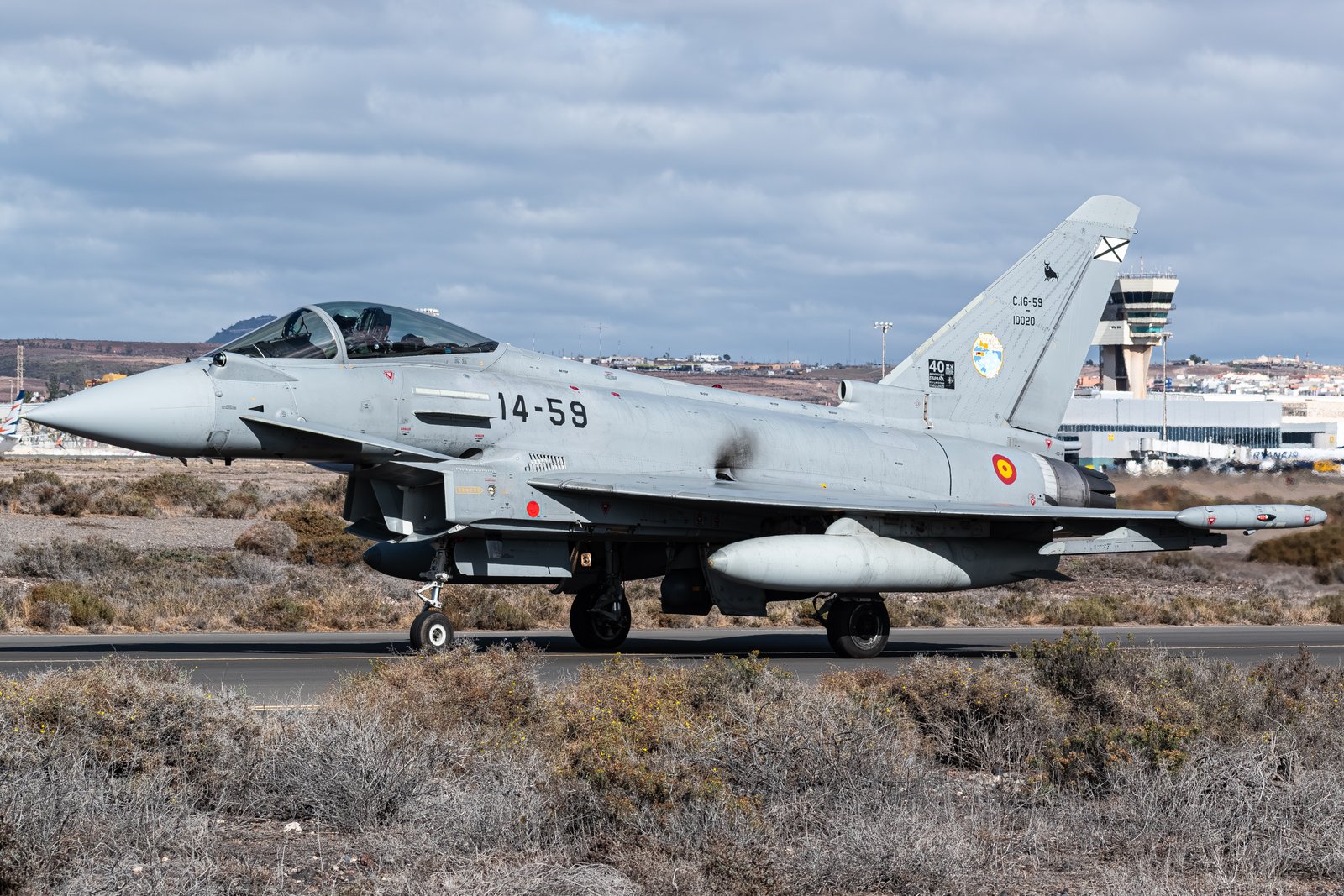
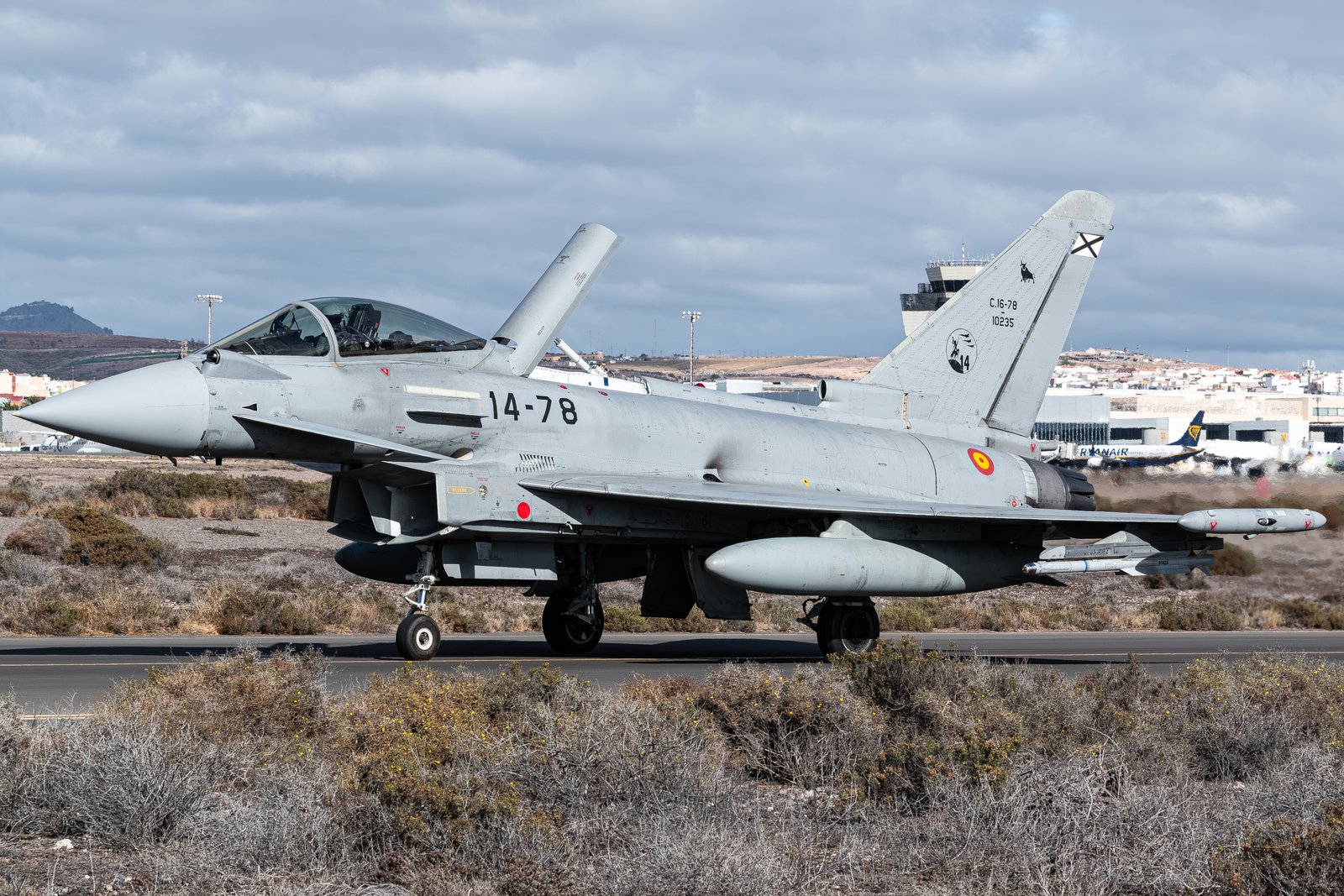
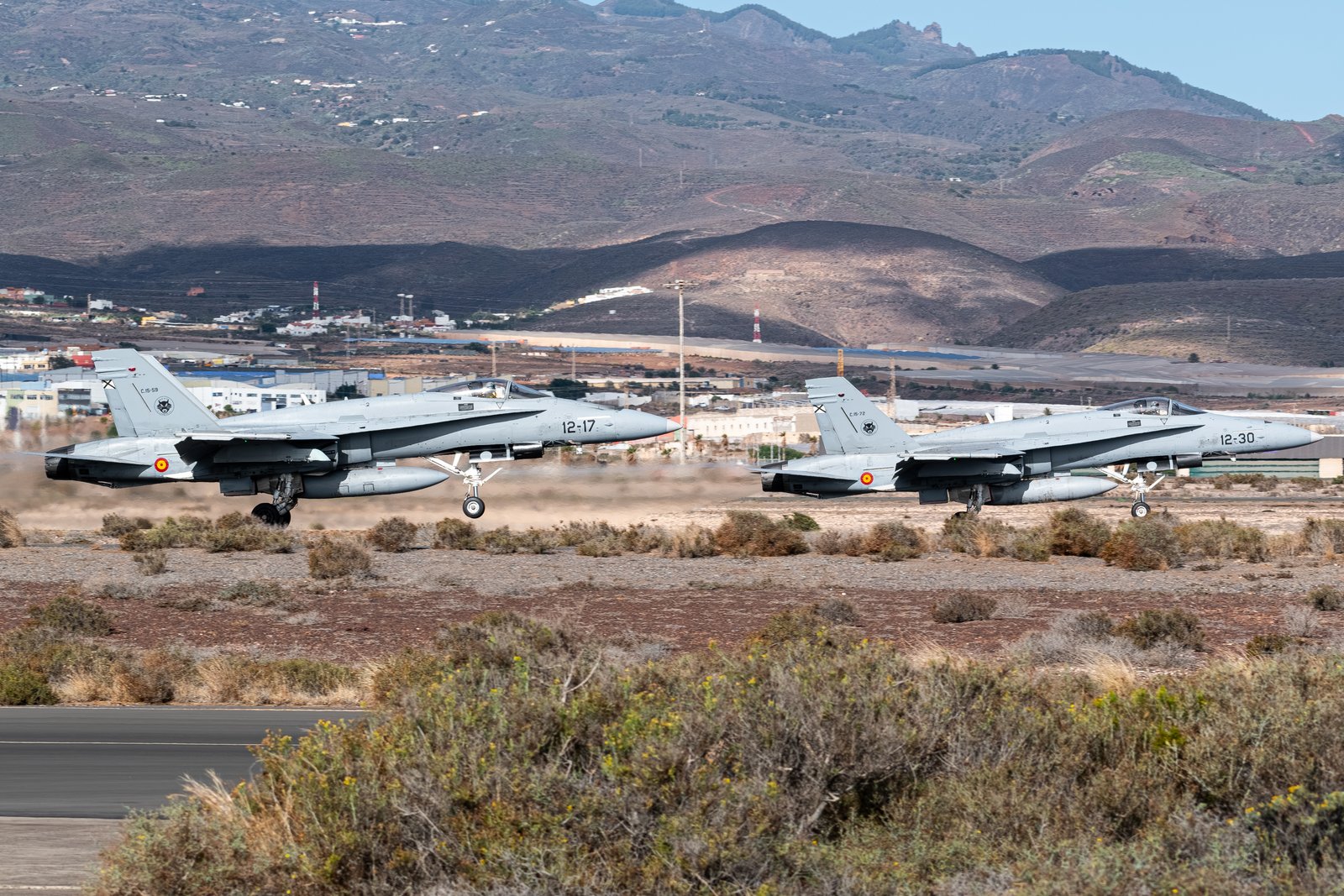
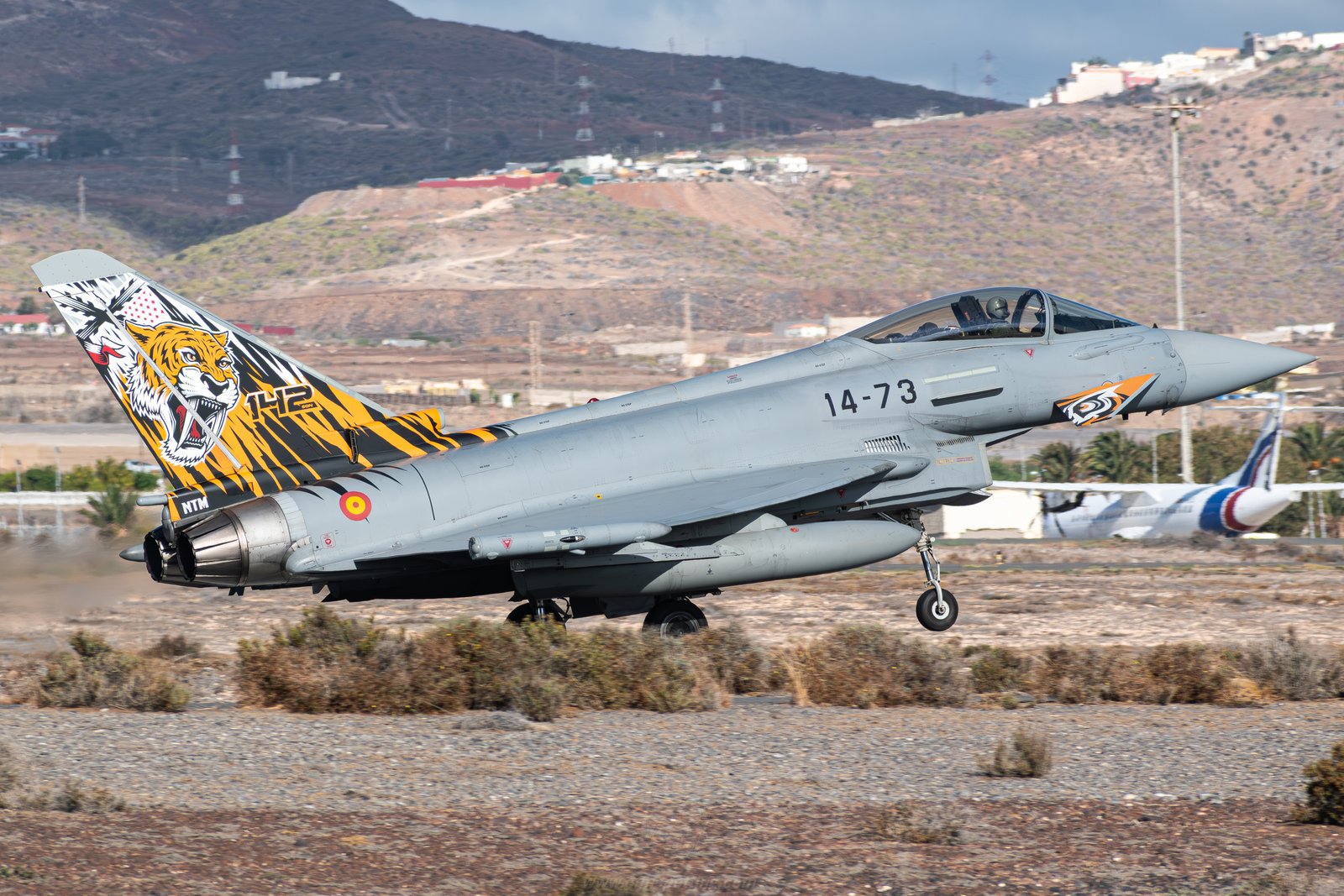
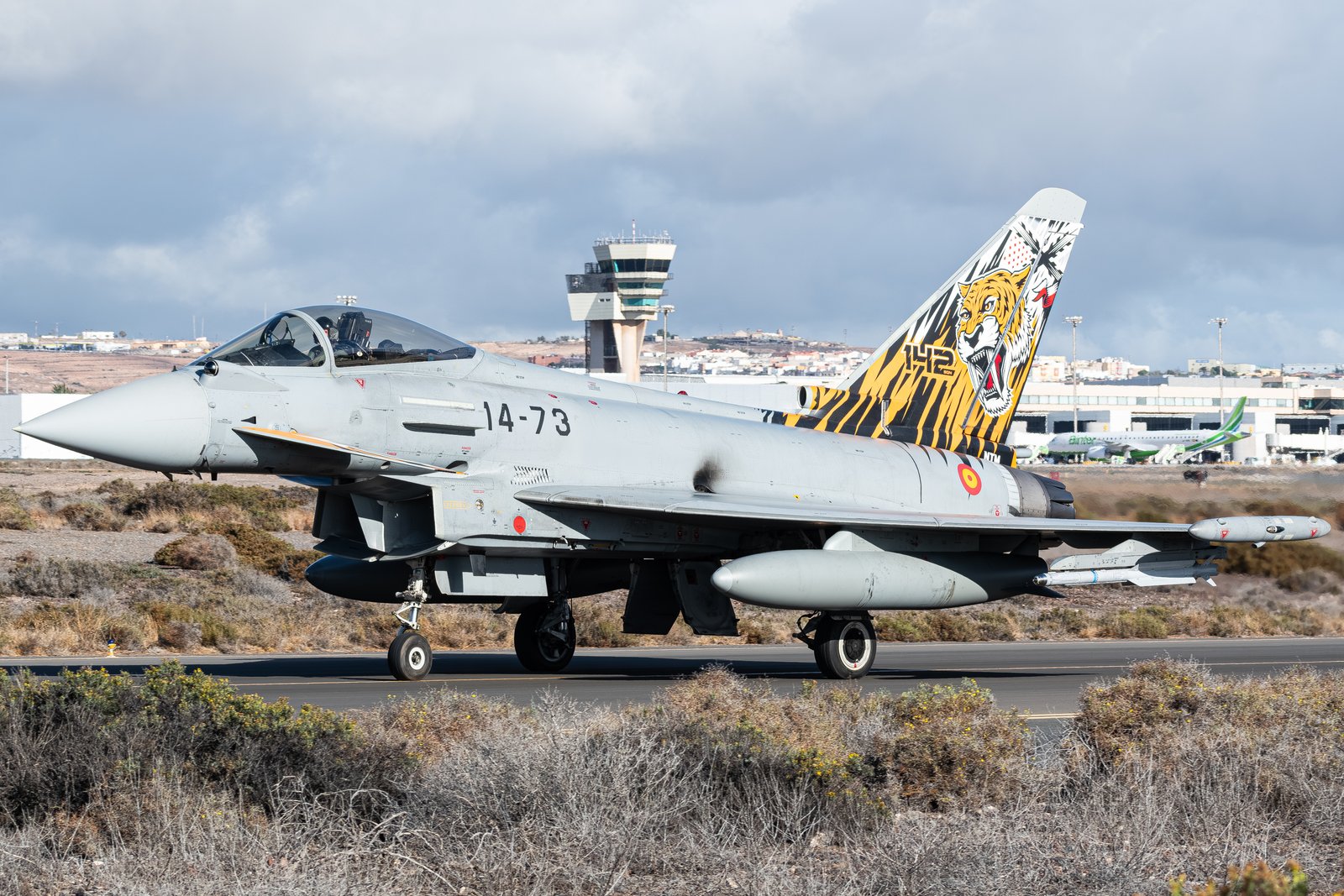
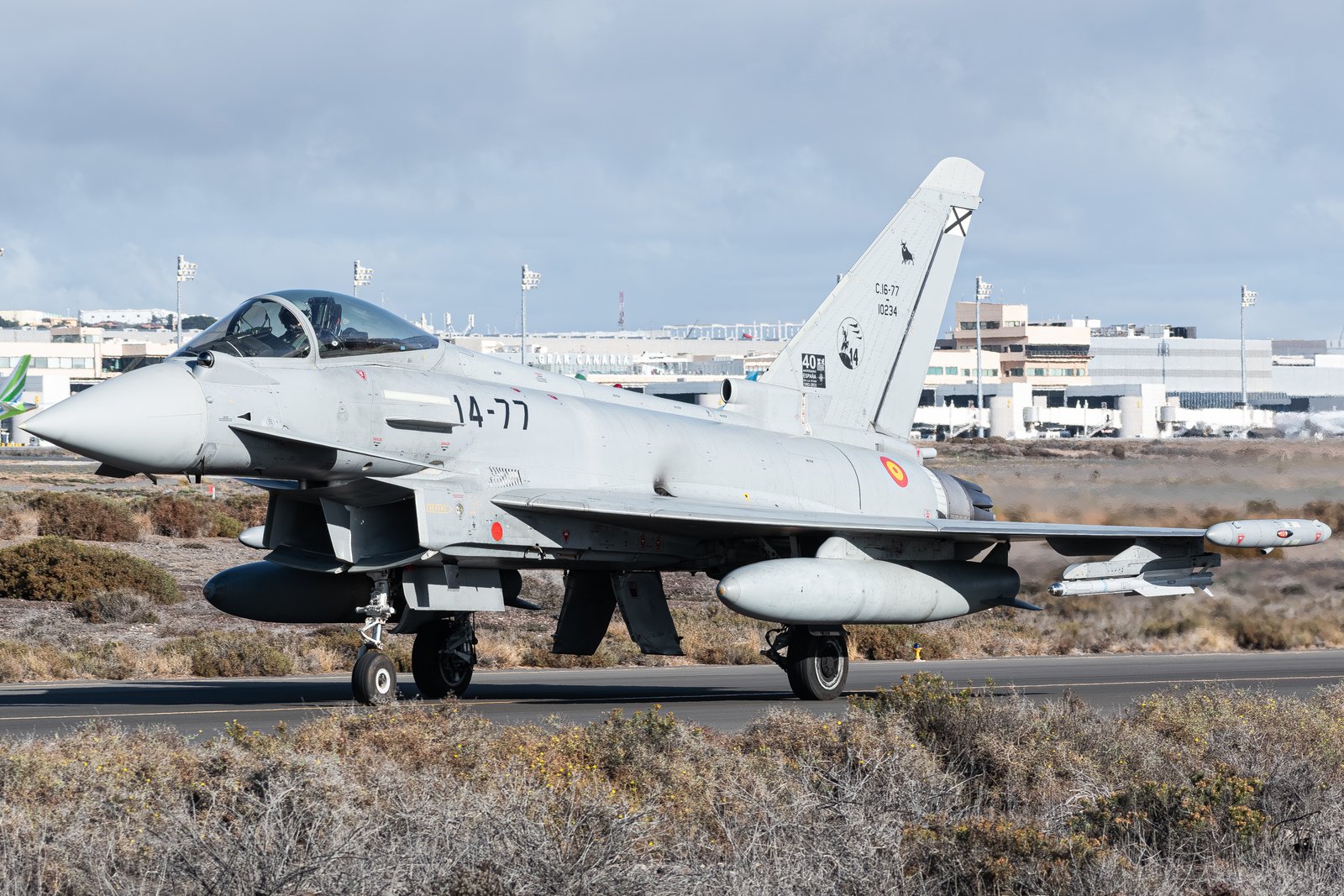
At the core of the exercise was the Ejército del Aire y del Espacio (Spanish Air Force), deploying Eurofighter Typhoons, F/A-18 Hornets, CASA CN235s and AS332s. Spain is the last European operator of the Hornet A Variant (known locally as EF-18M), a real gem, slowly phasing out. Alongside them, European partners contributed modern multirole and air superiority platforms, creating a balanced and highly dynamic force composition.
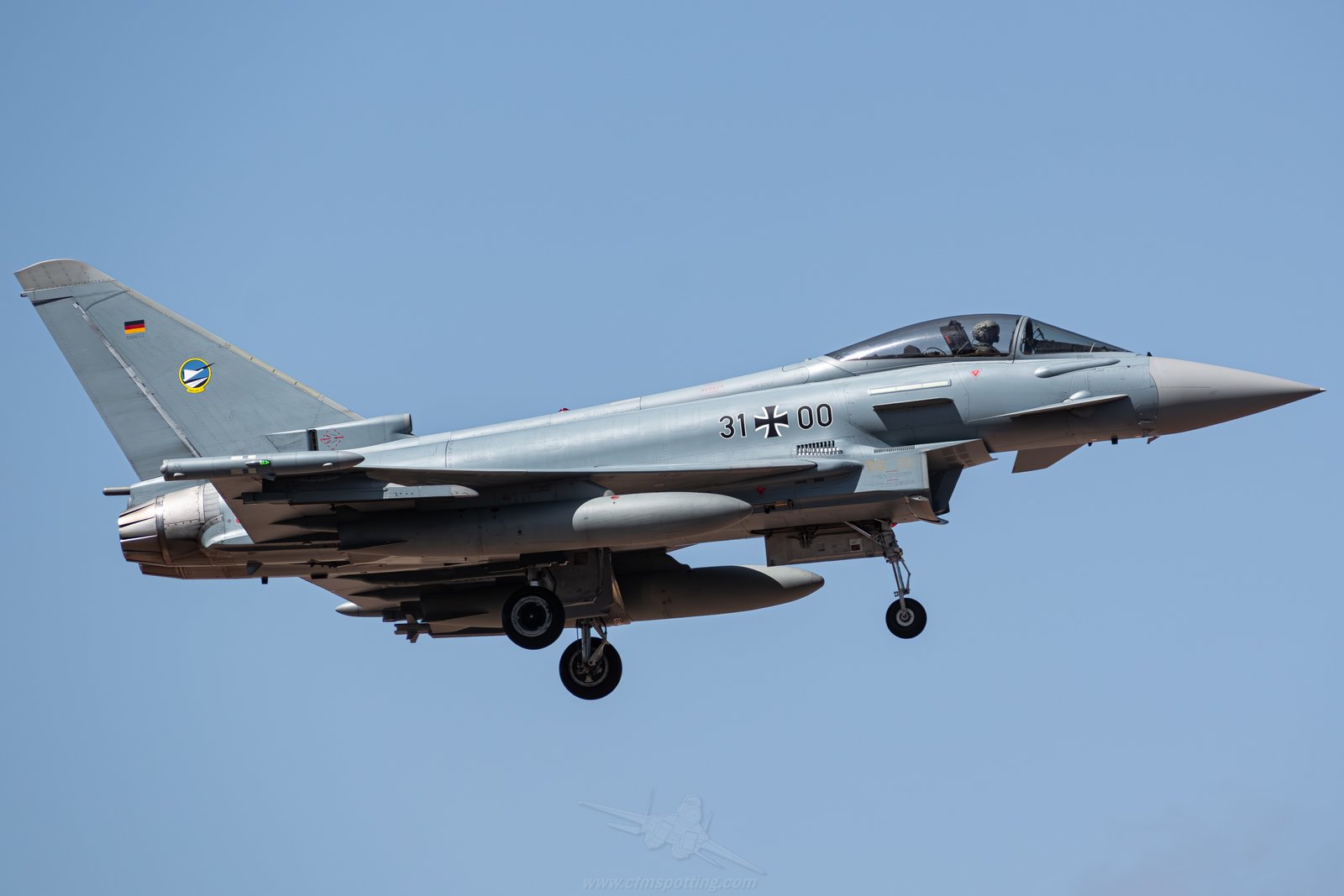
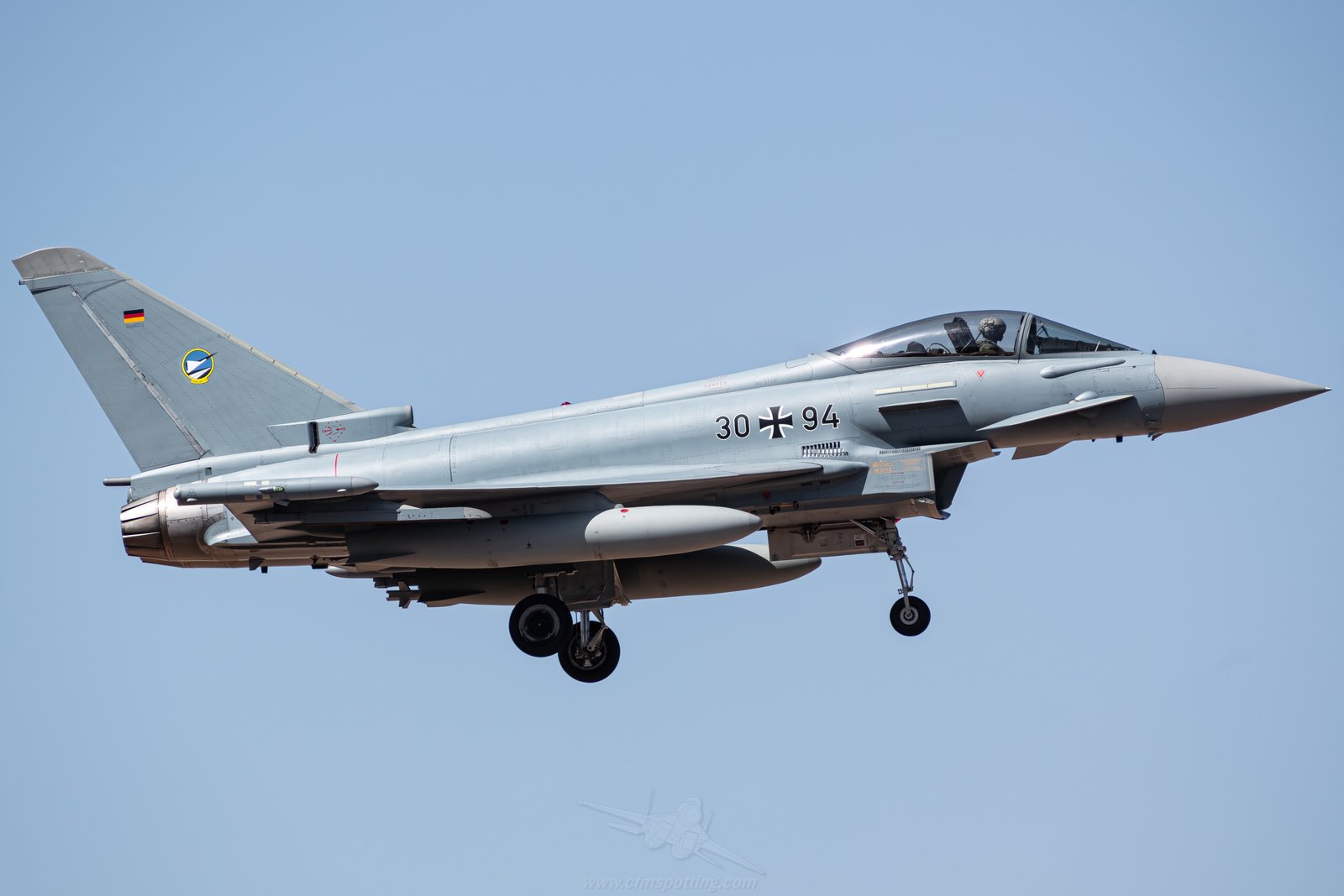
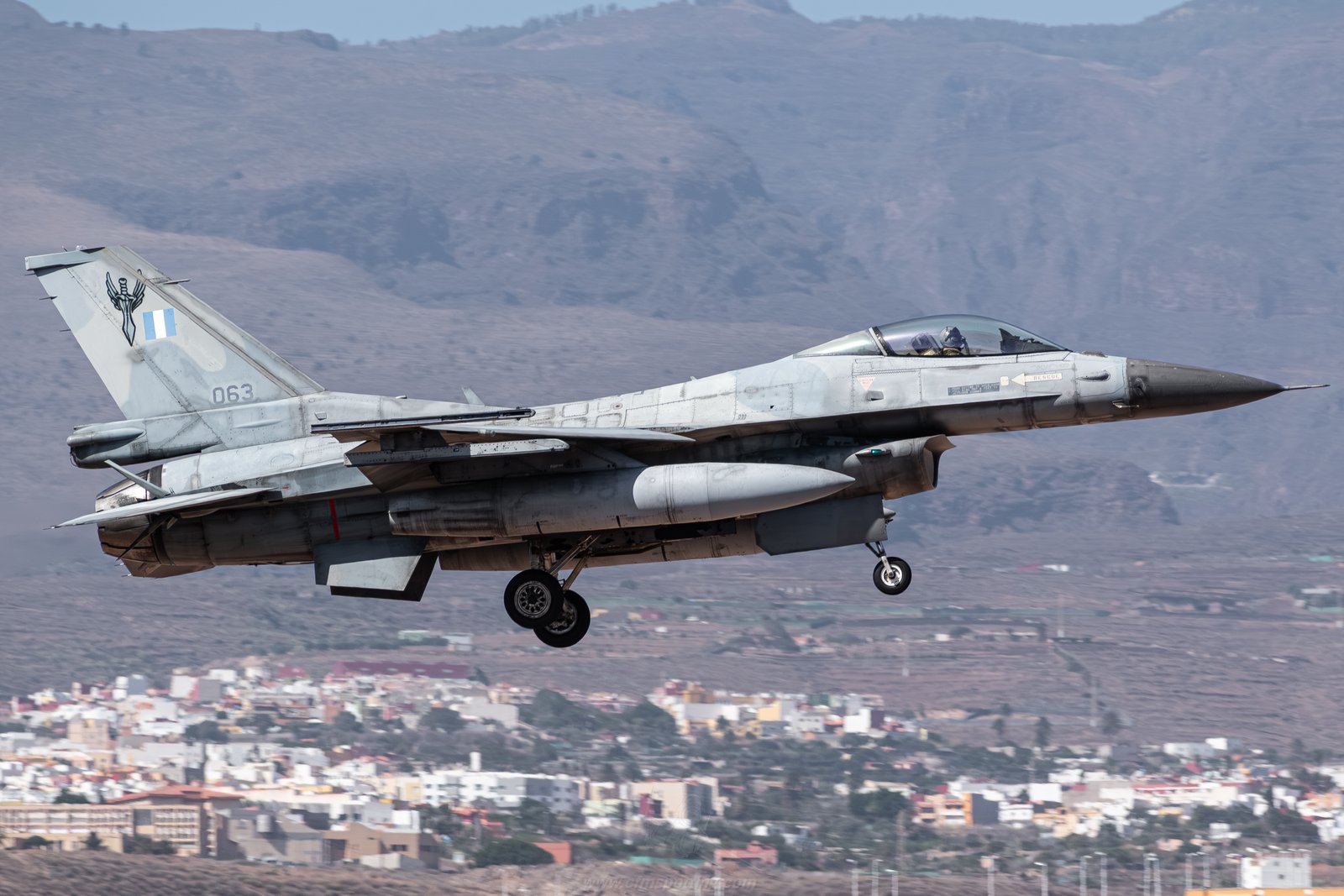
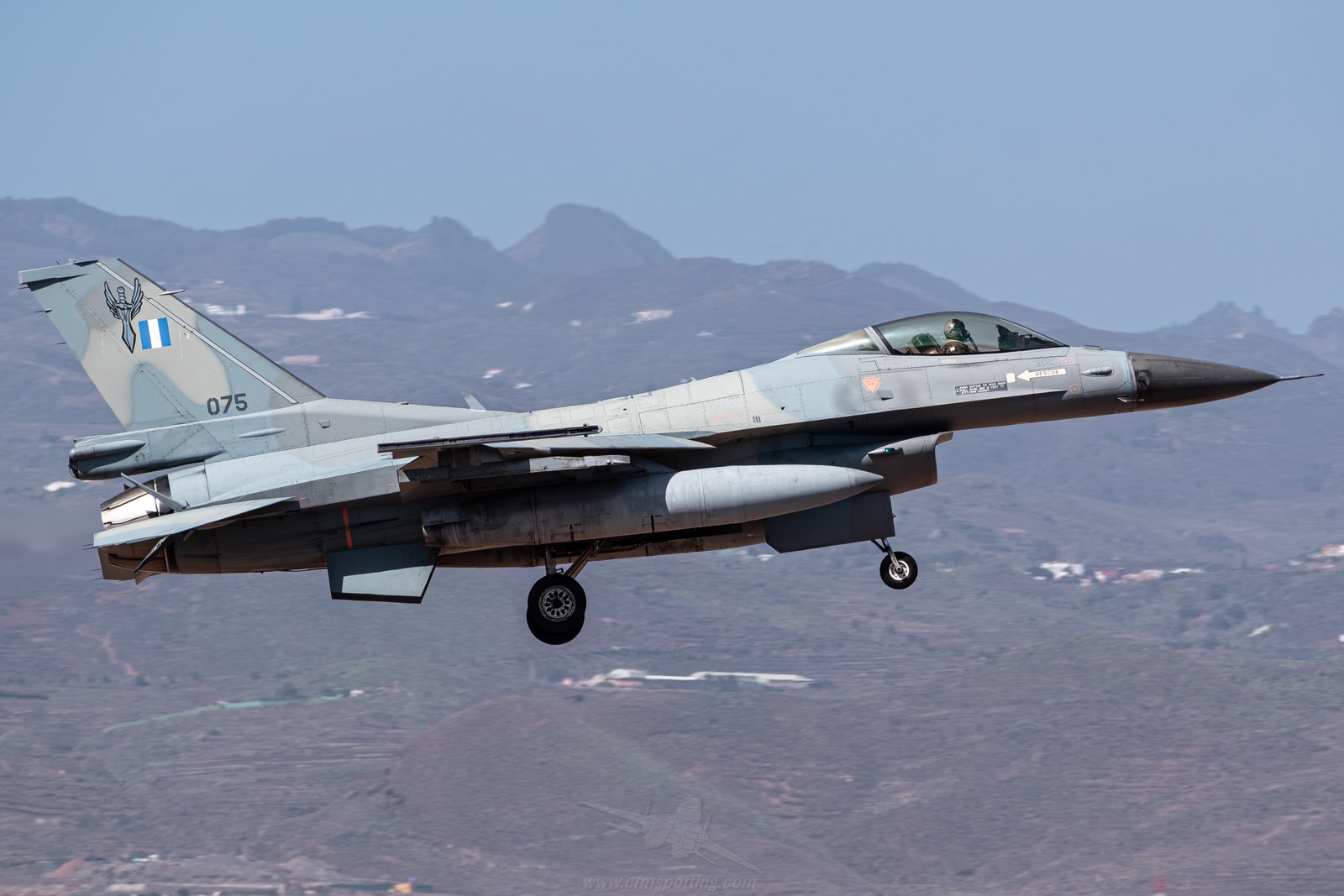
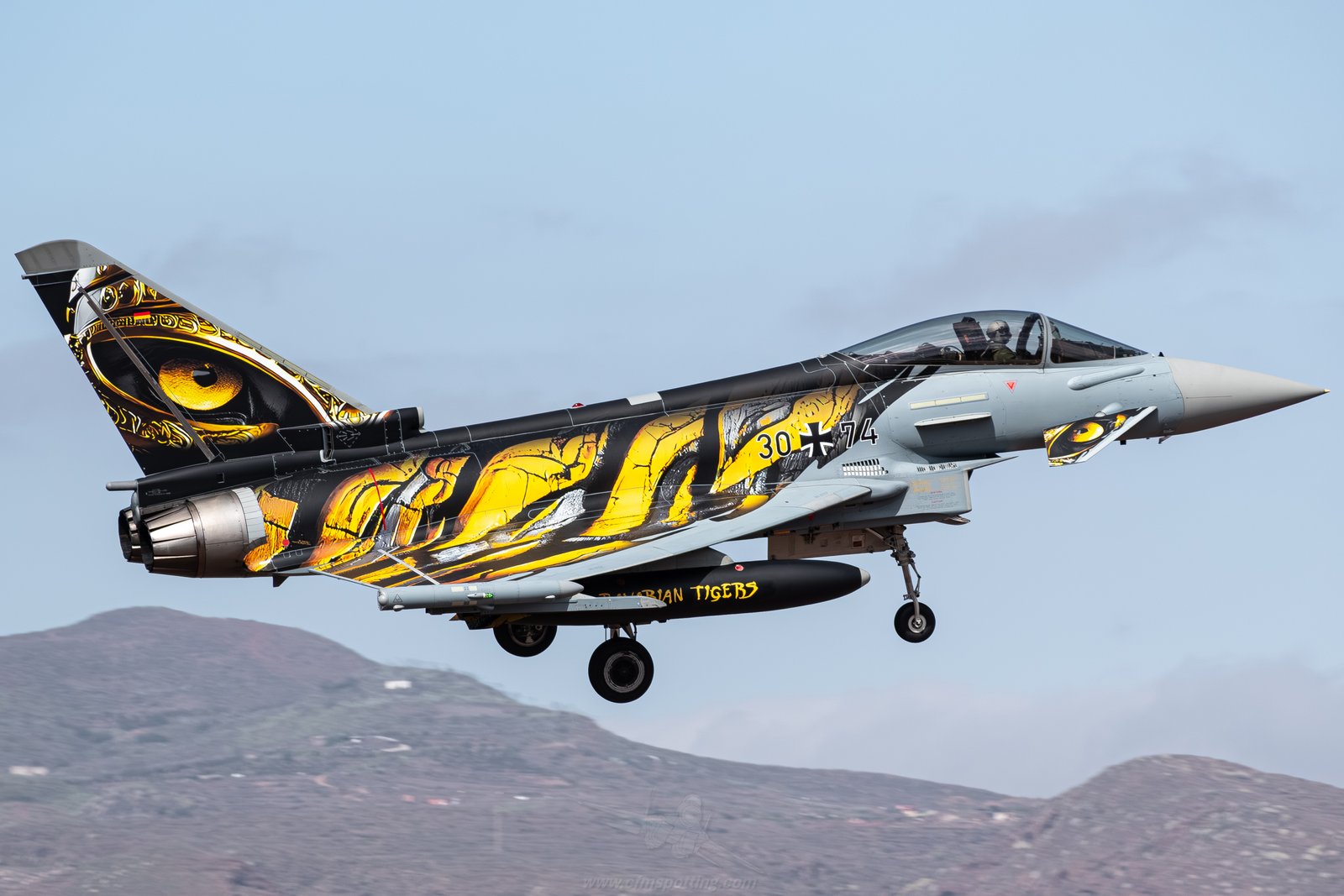
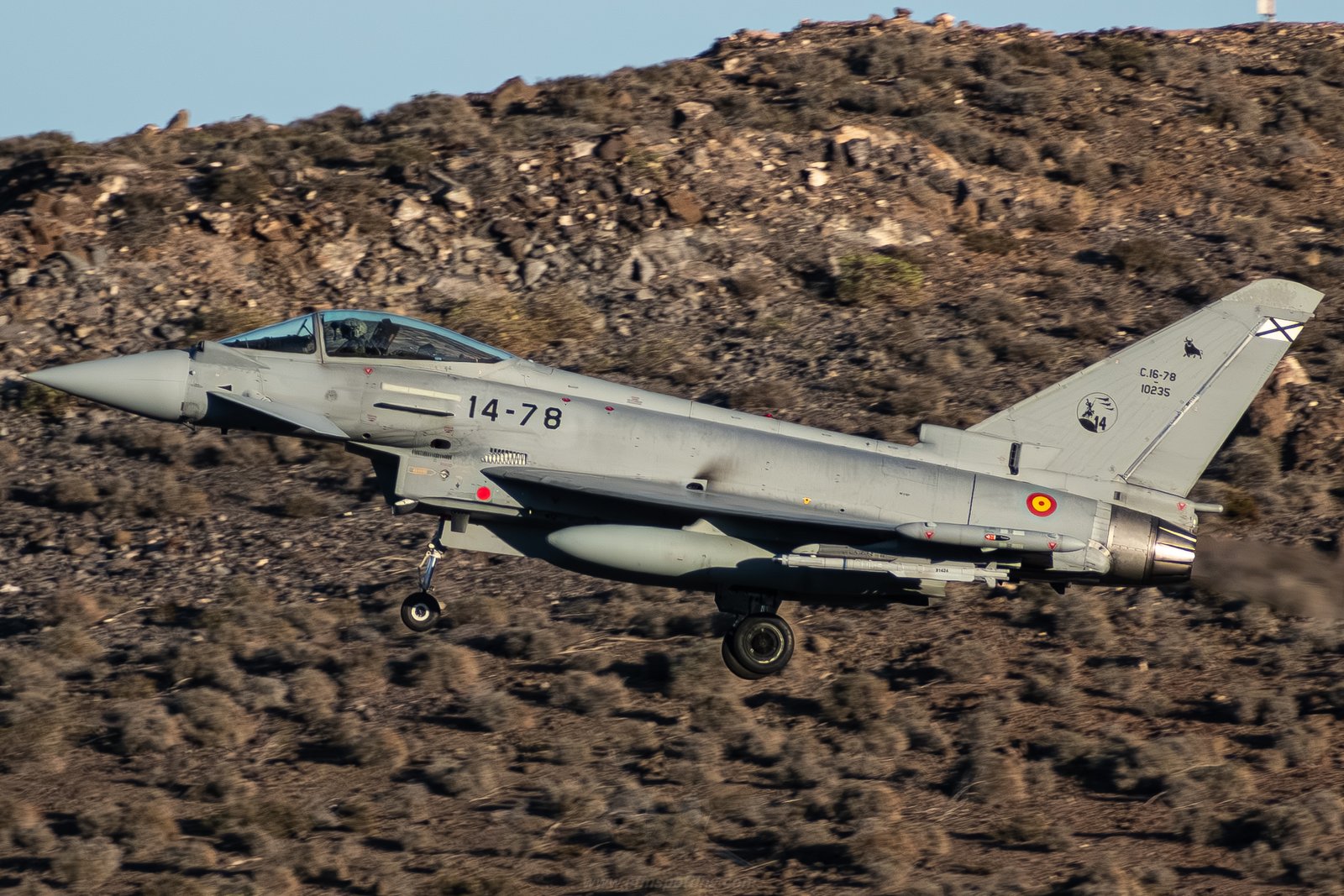
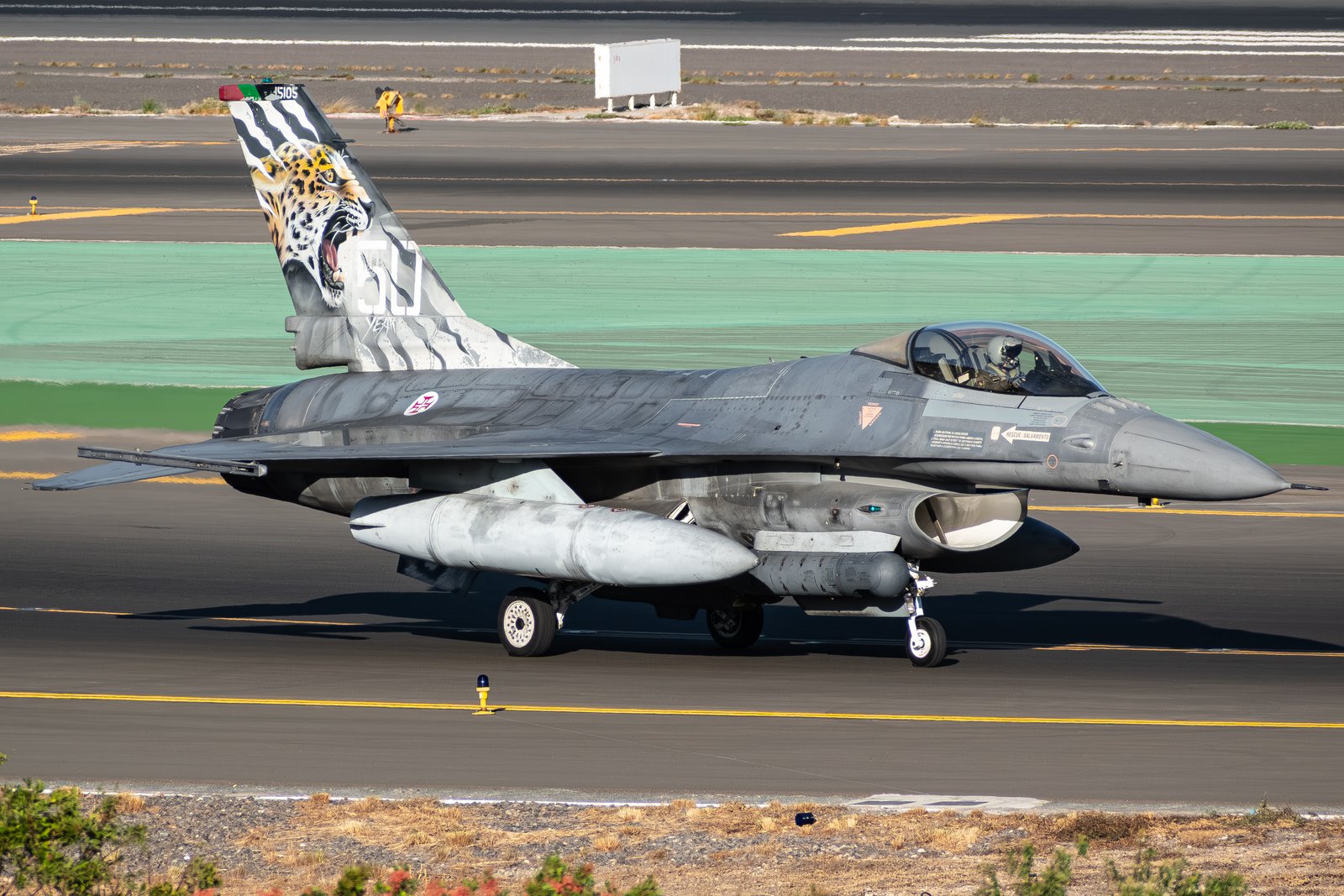
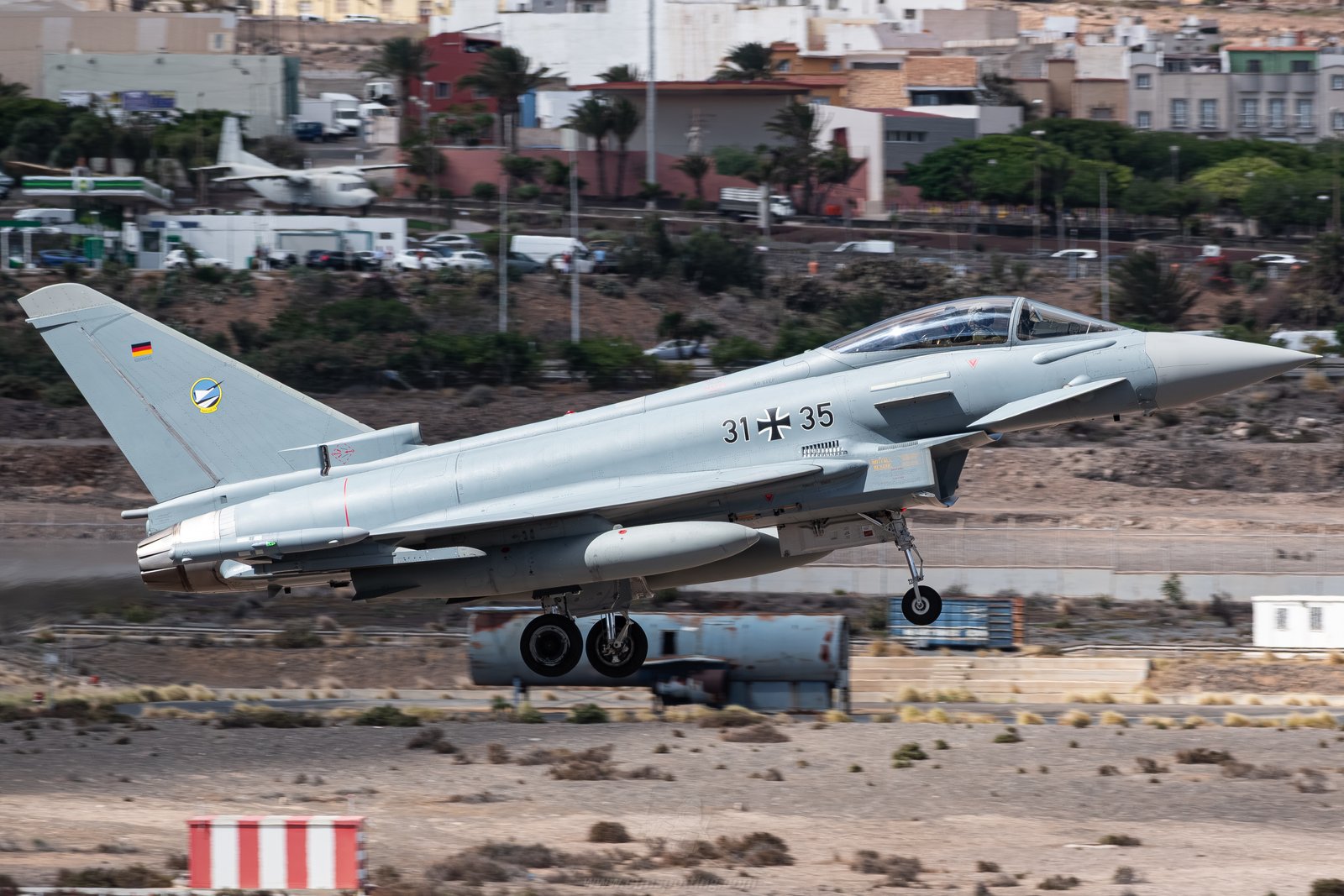
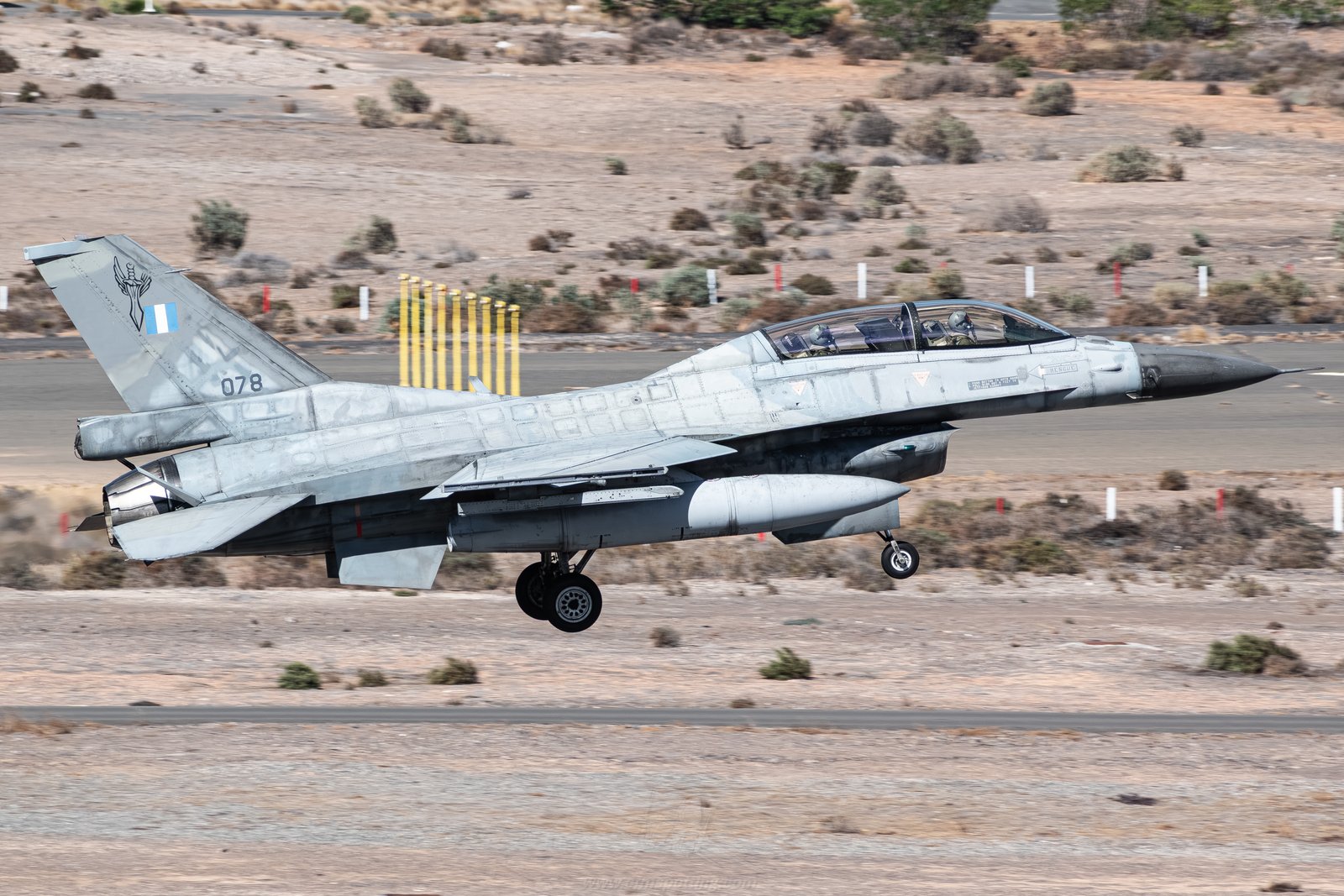
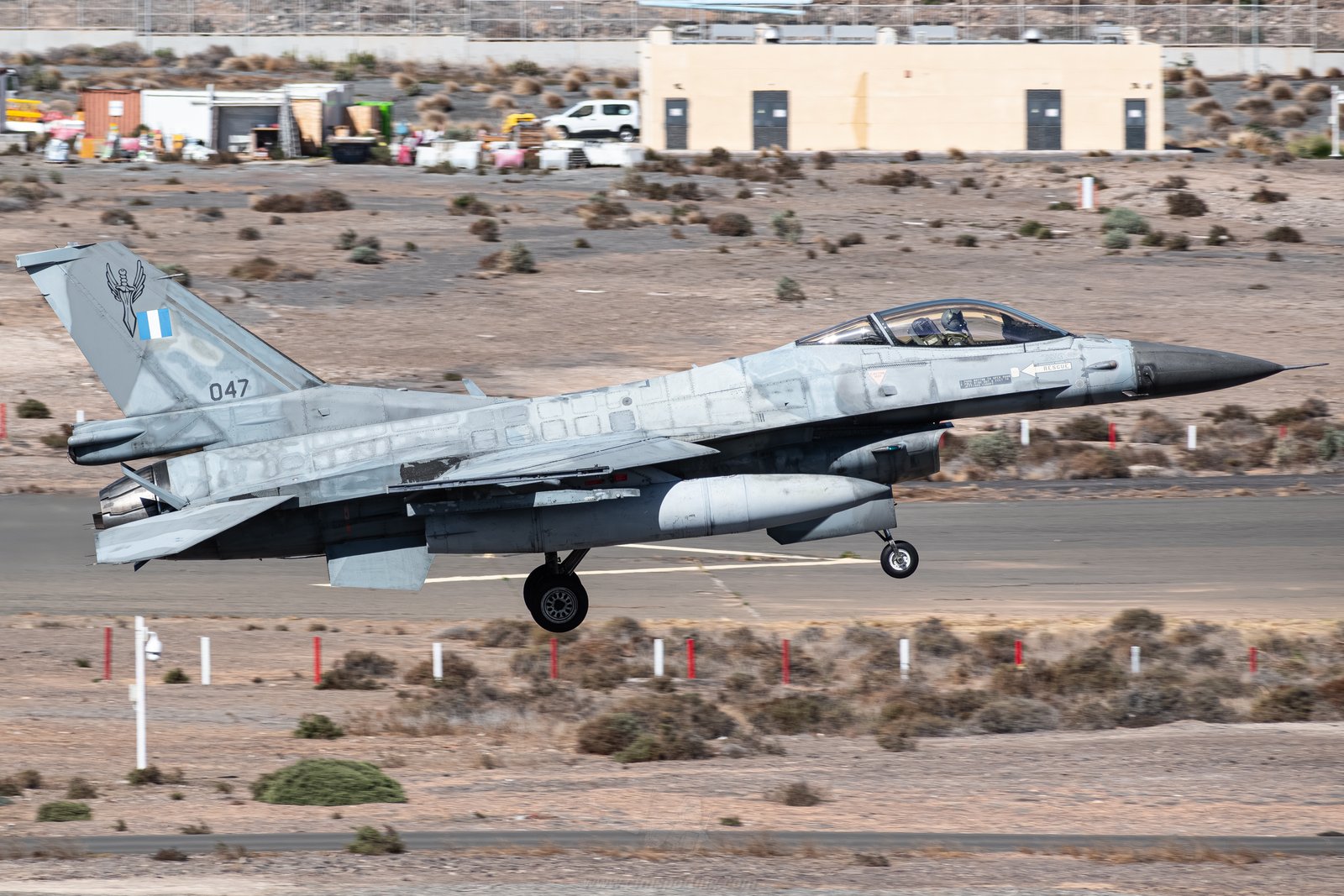
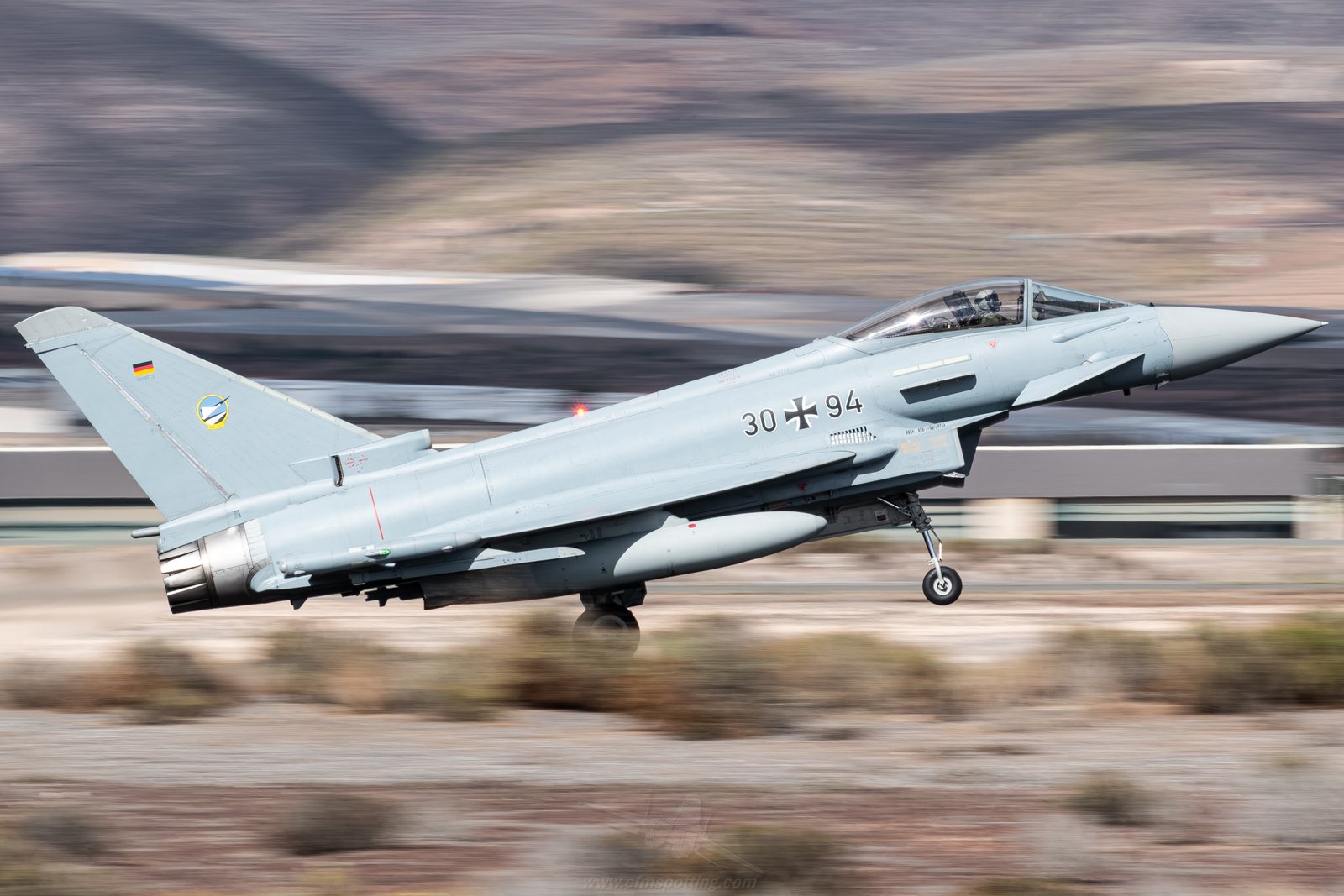
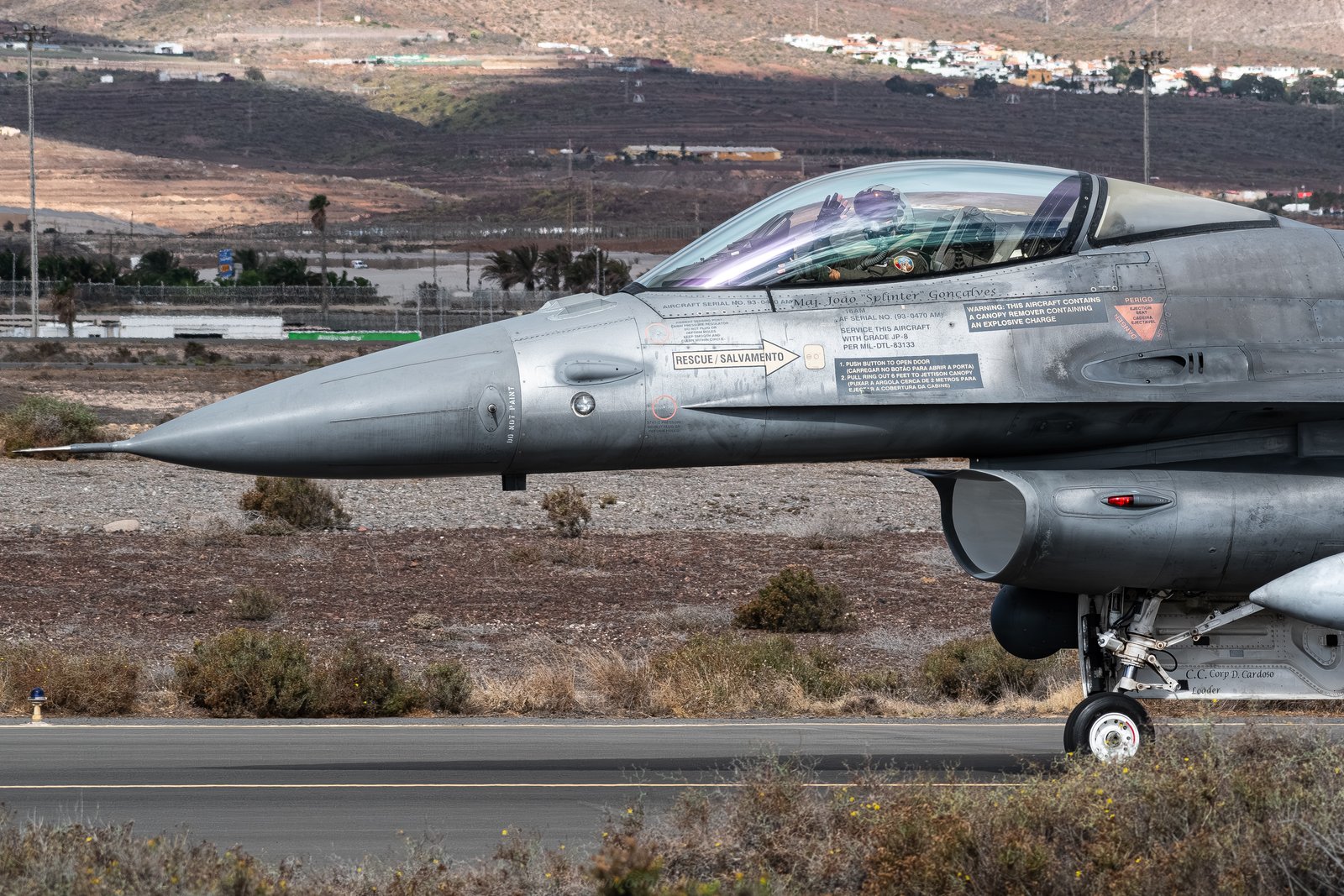
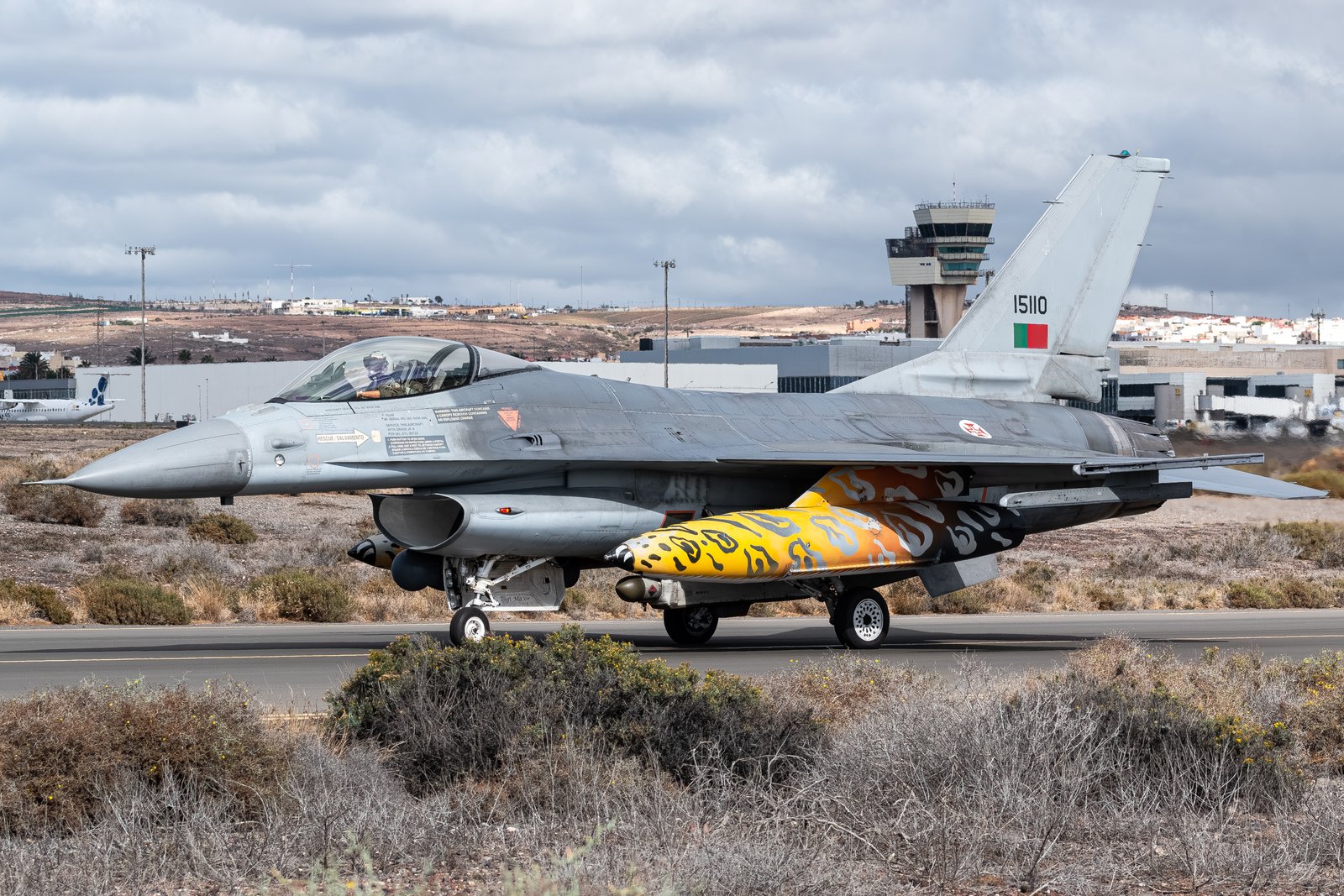
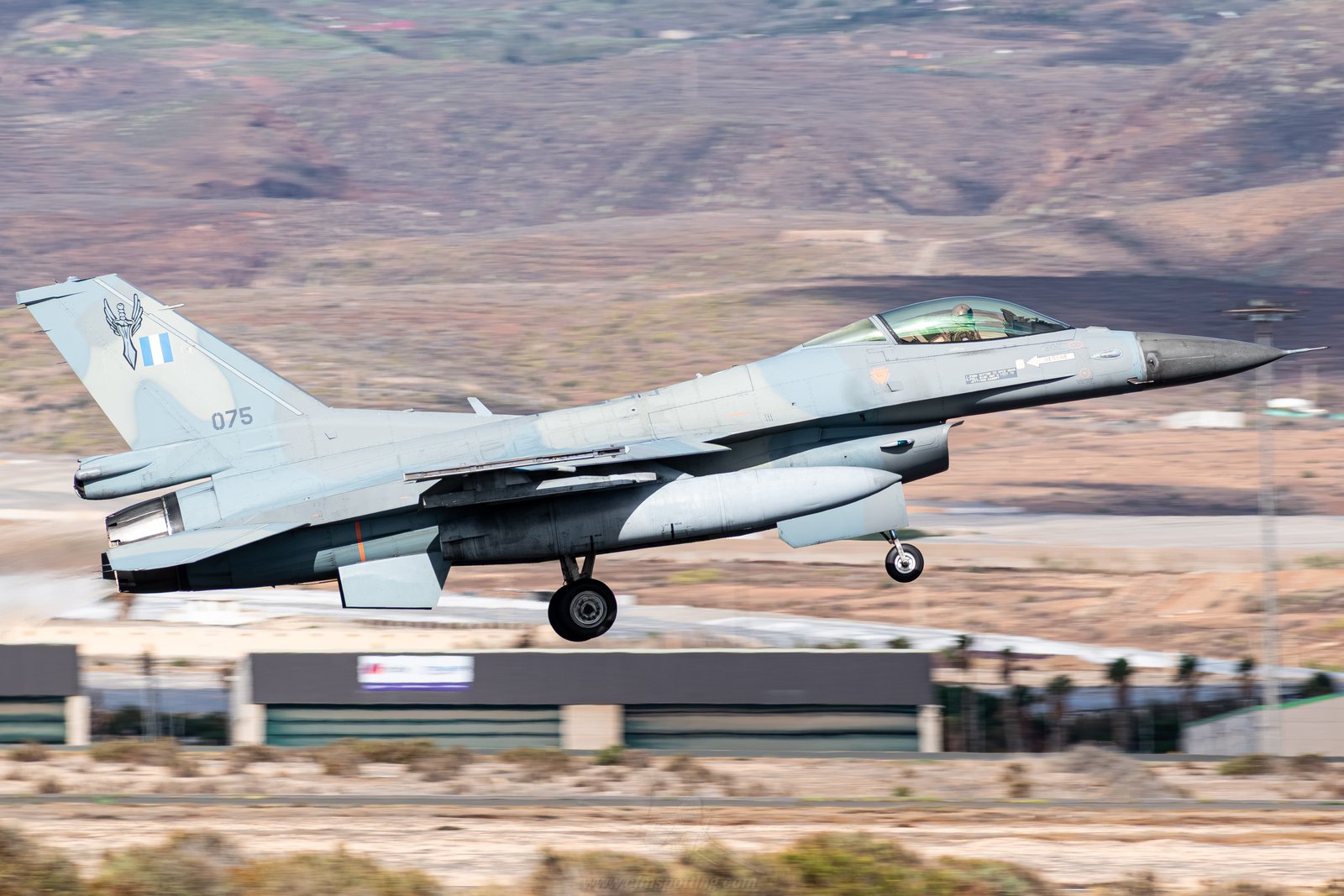
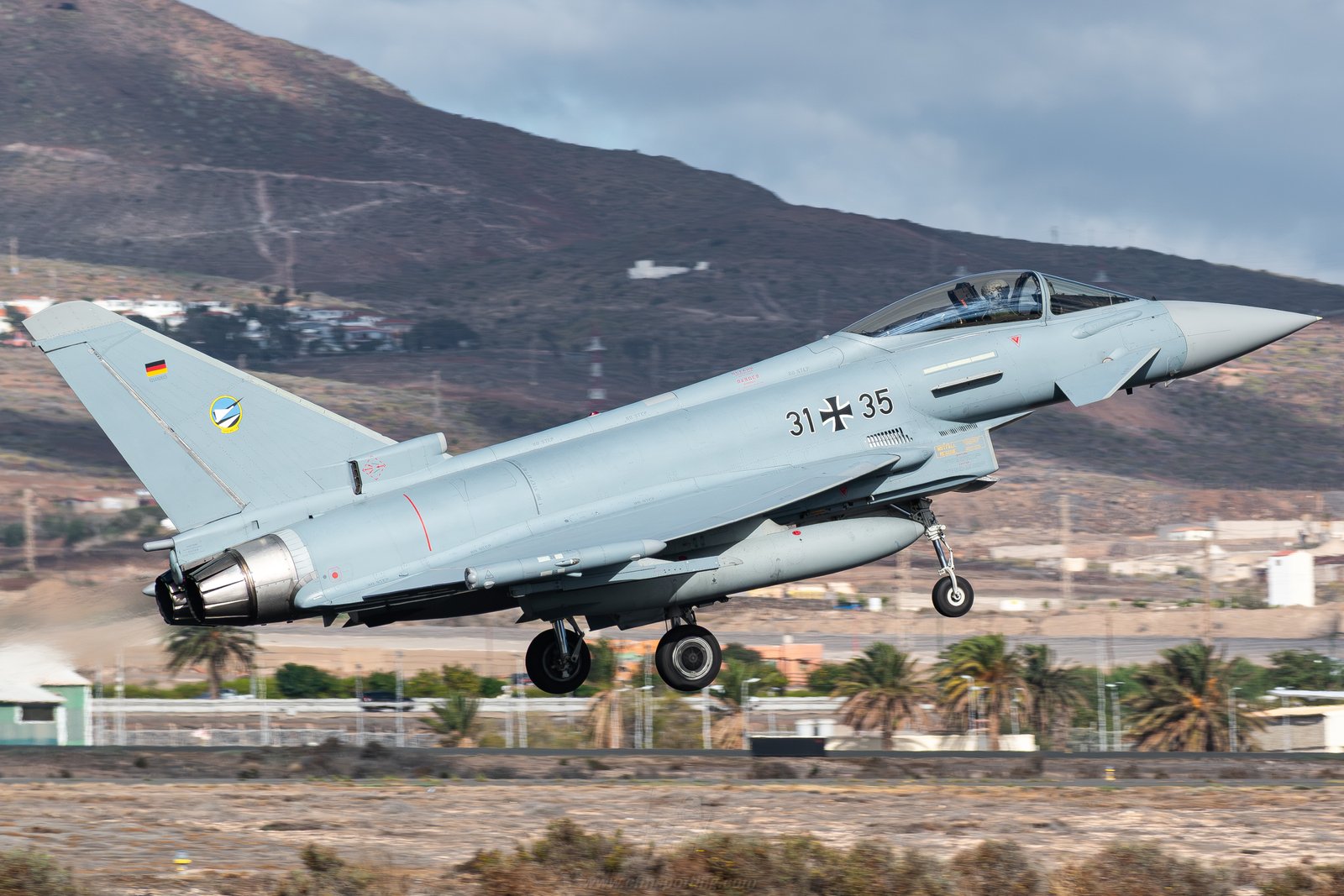
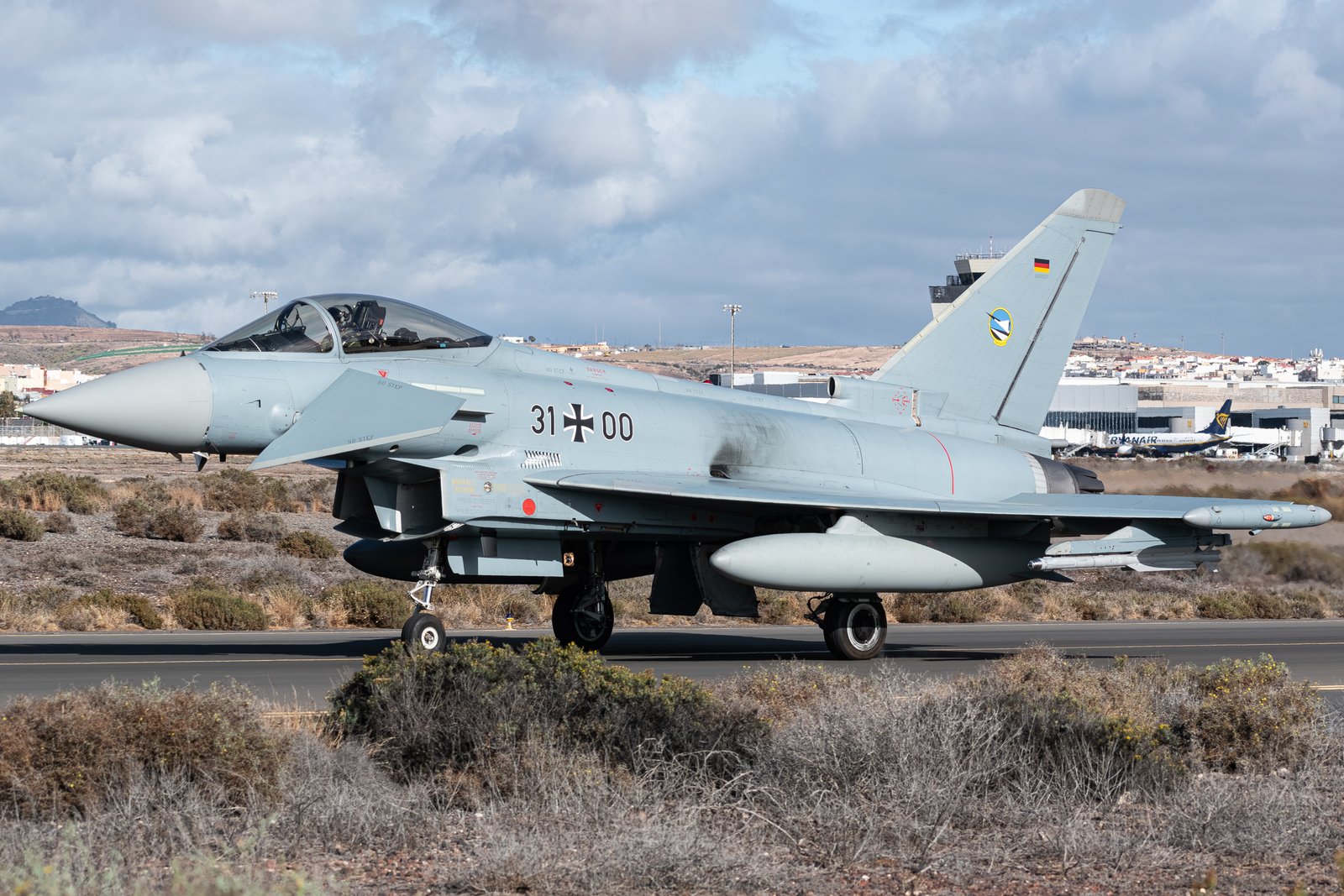
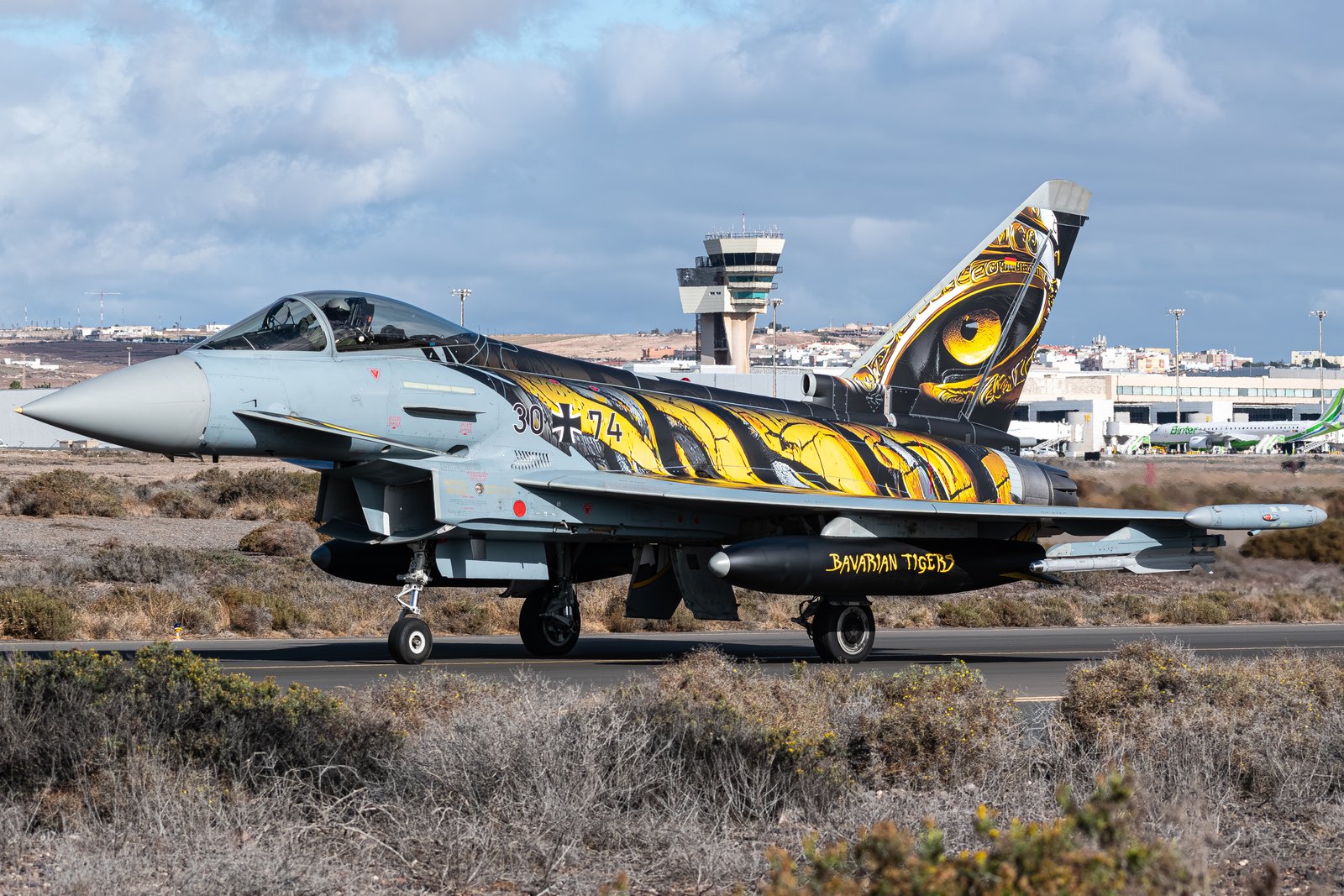
The German Air Force (Luftwaffe) brought its Eurofighter Typhoons. The Hellenic Air Force (Polemikí Aeroporia) and the Portuguese Air Force (Força Aerea Portuguesa) both deployed F-16 Fighting Falcons, representing some of the most proven and versatile multirole fighters in NATO service.
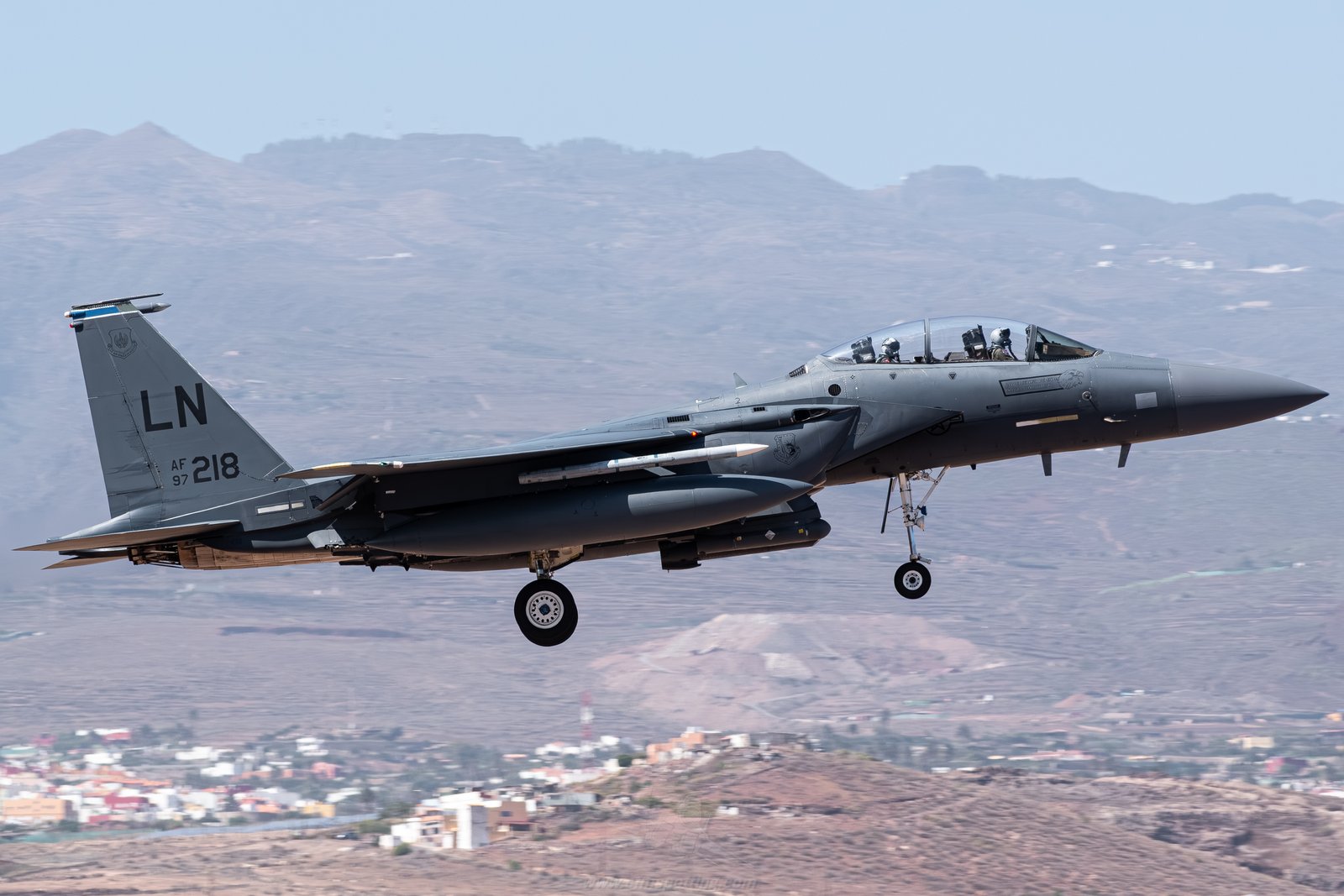
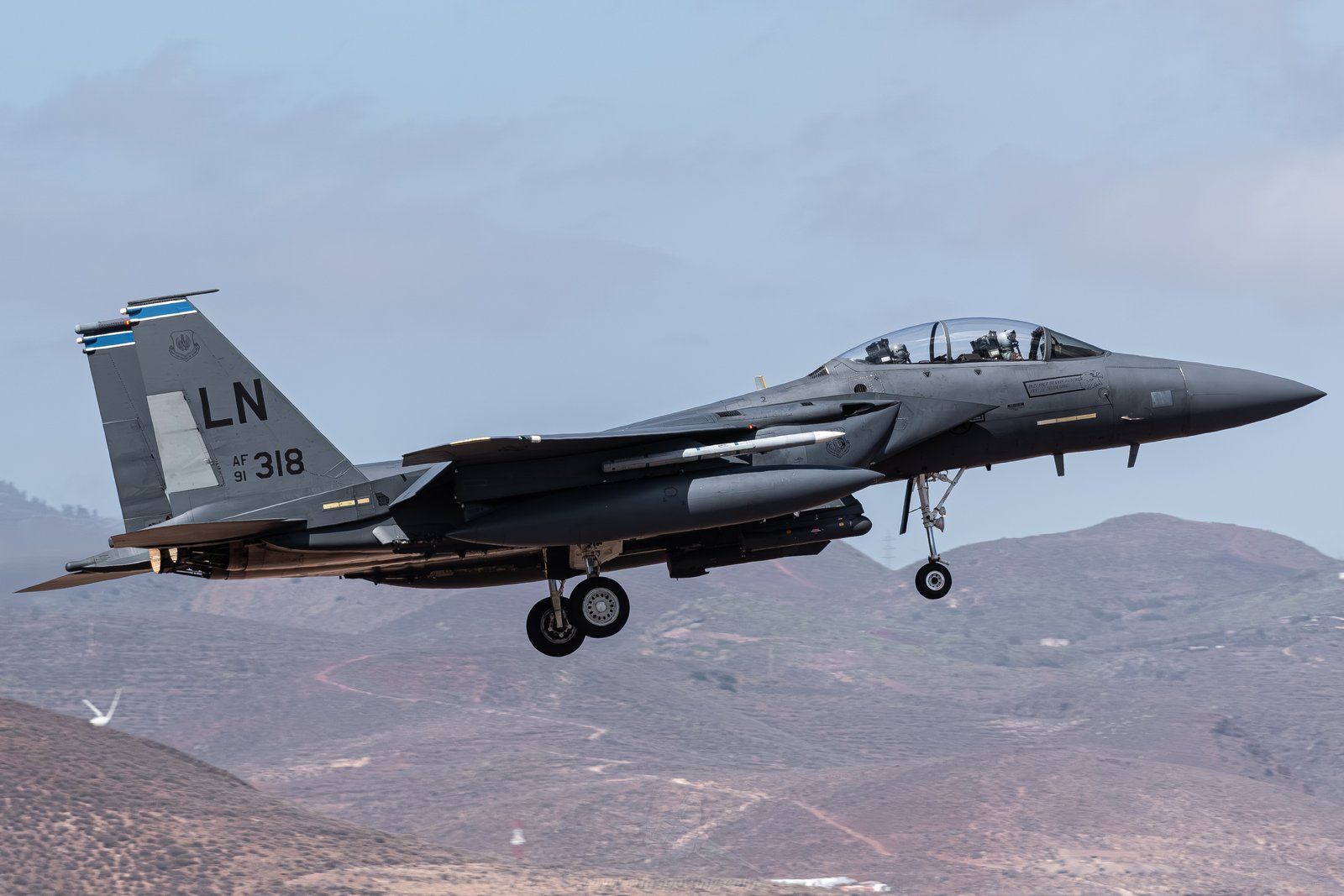
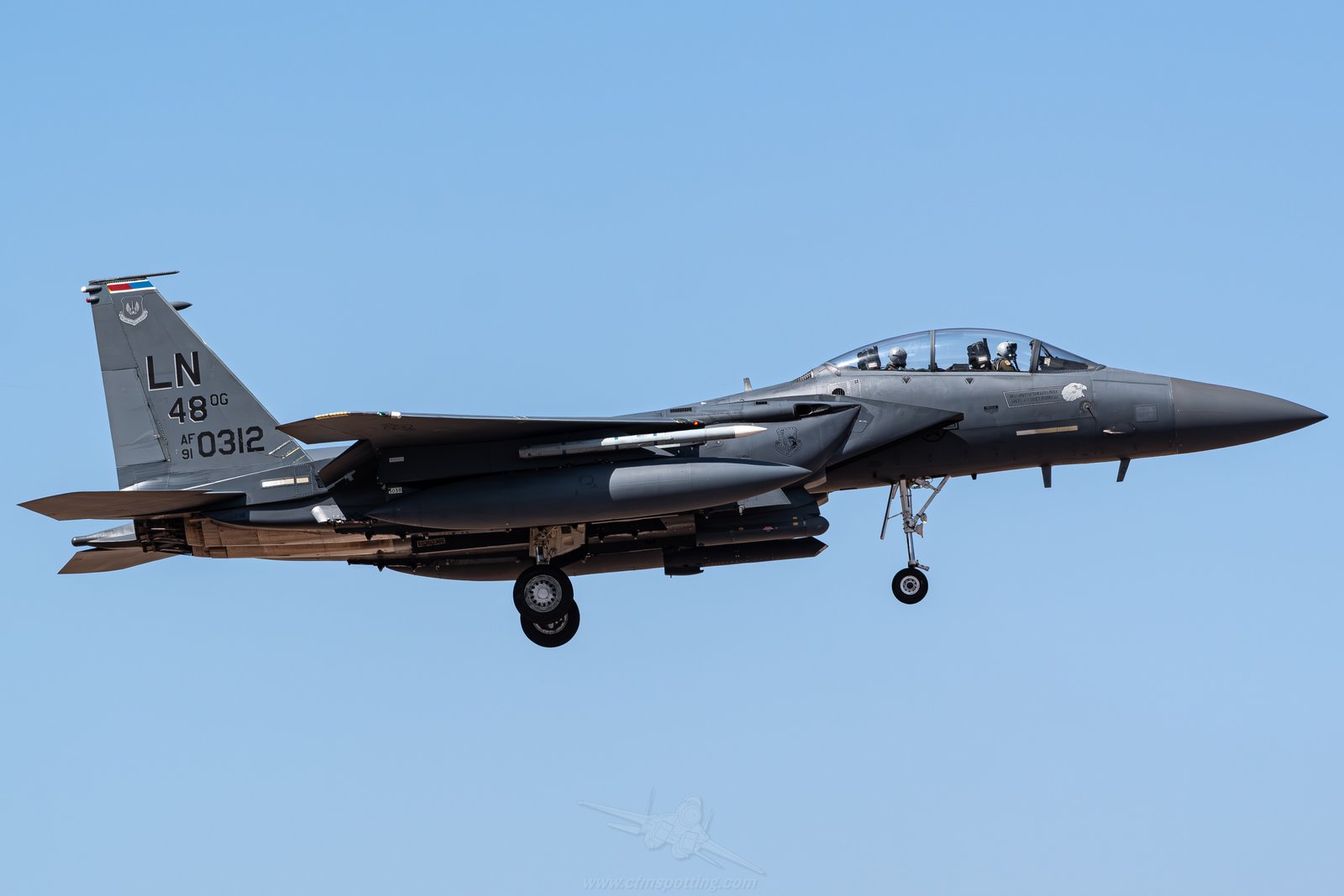
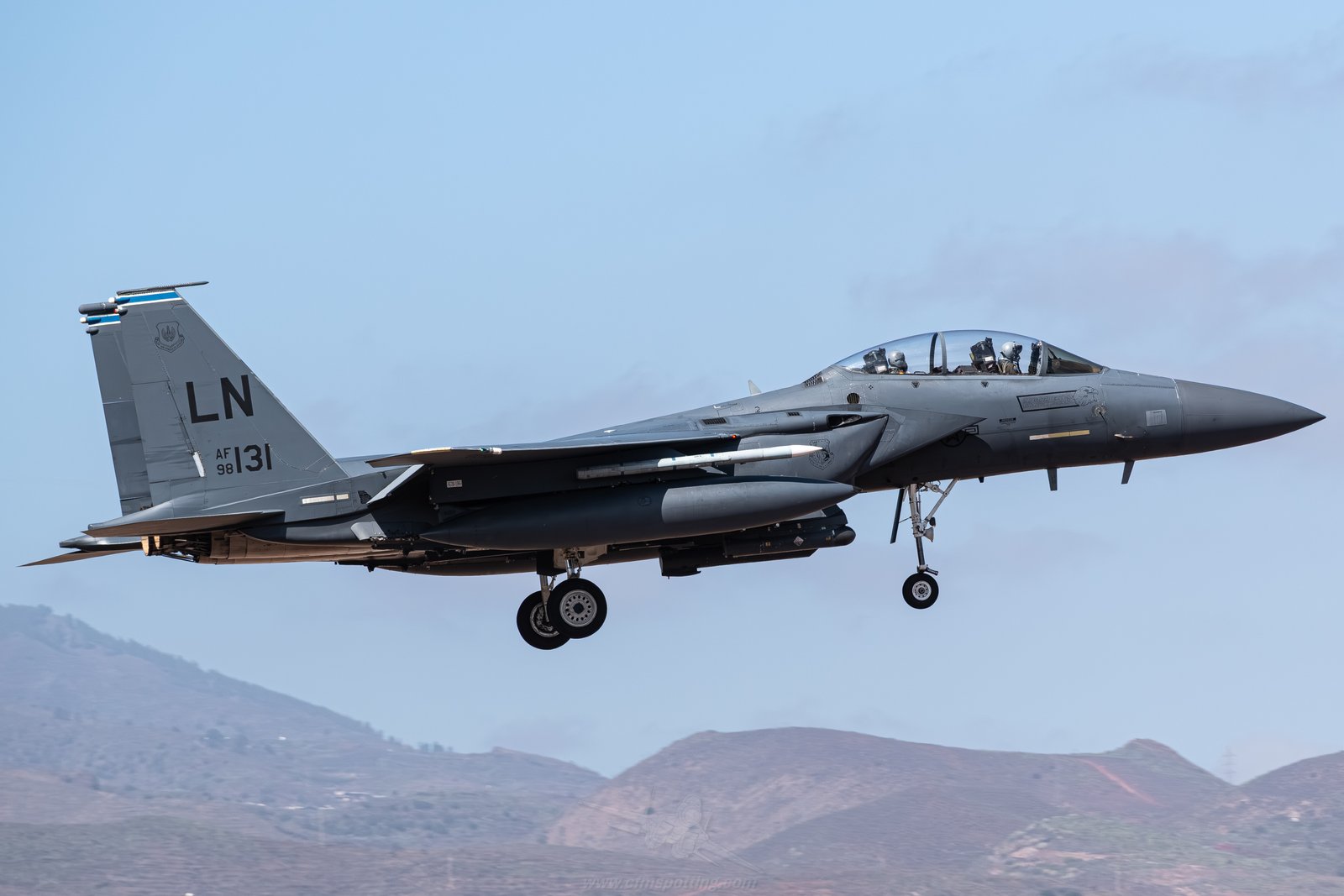
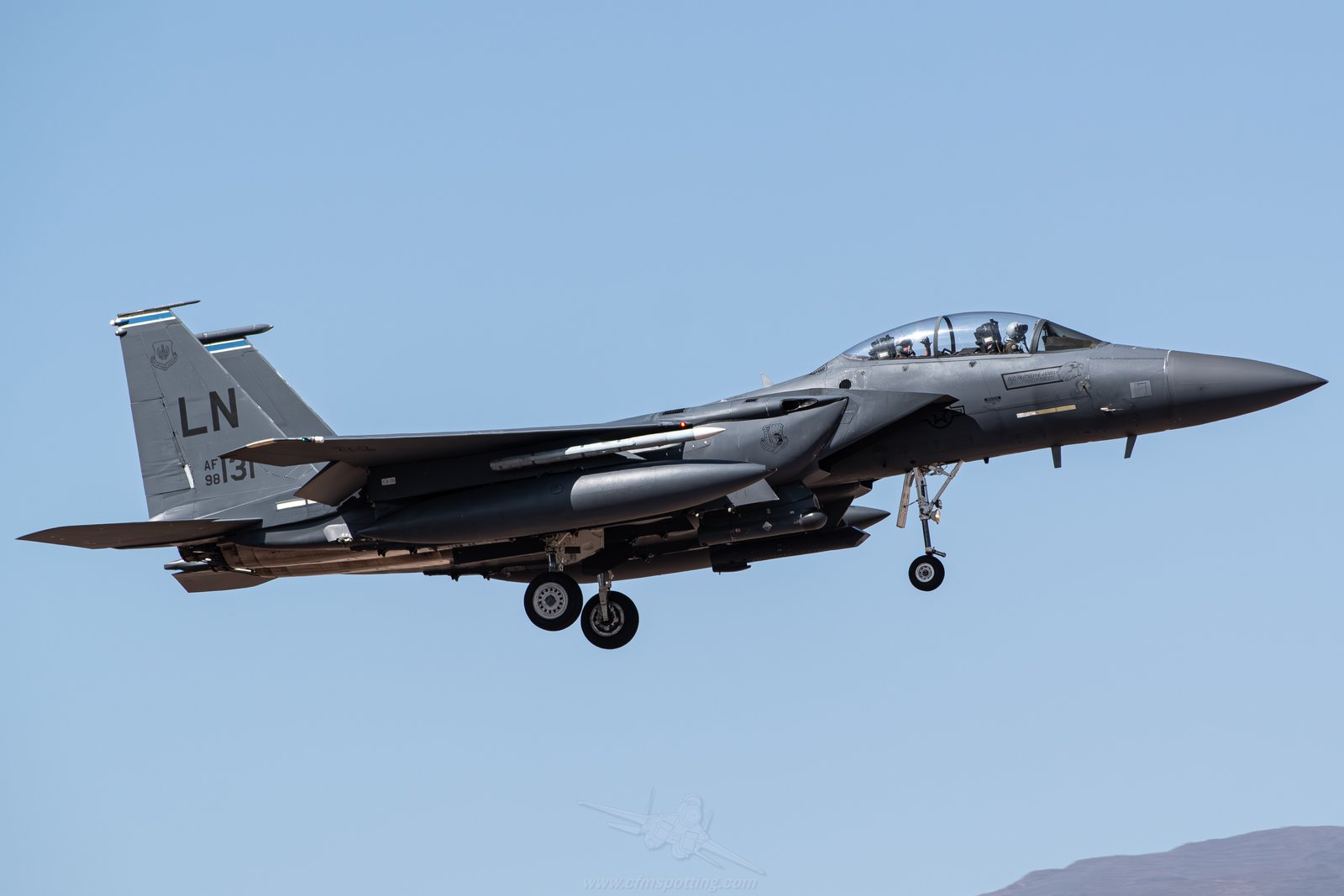
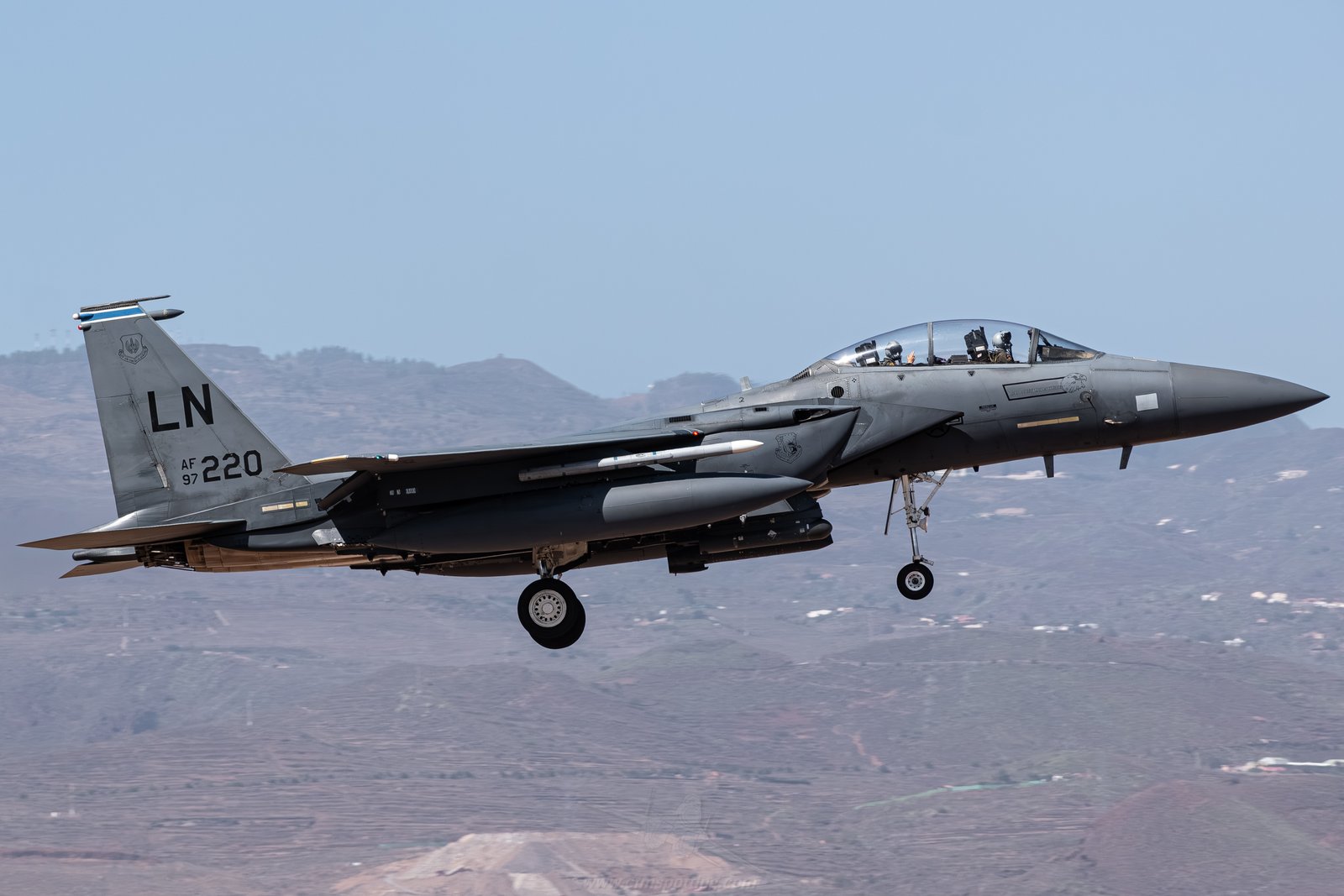
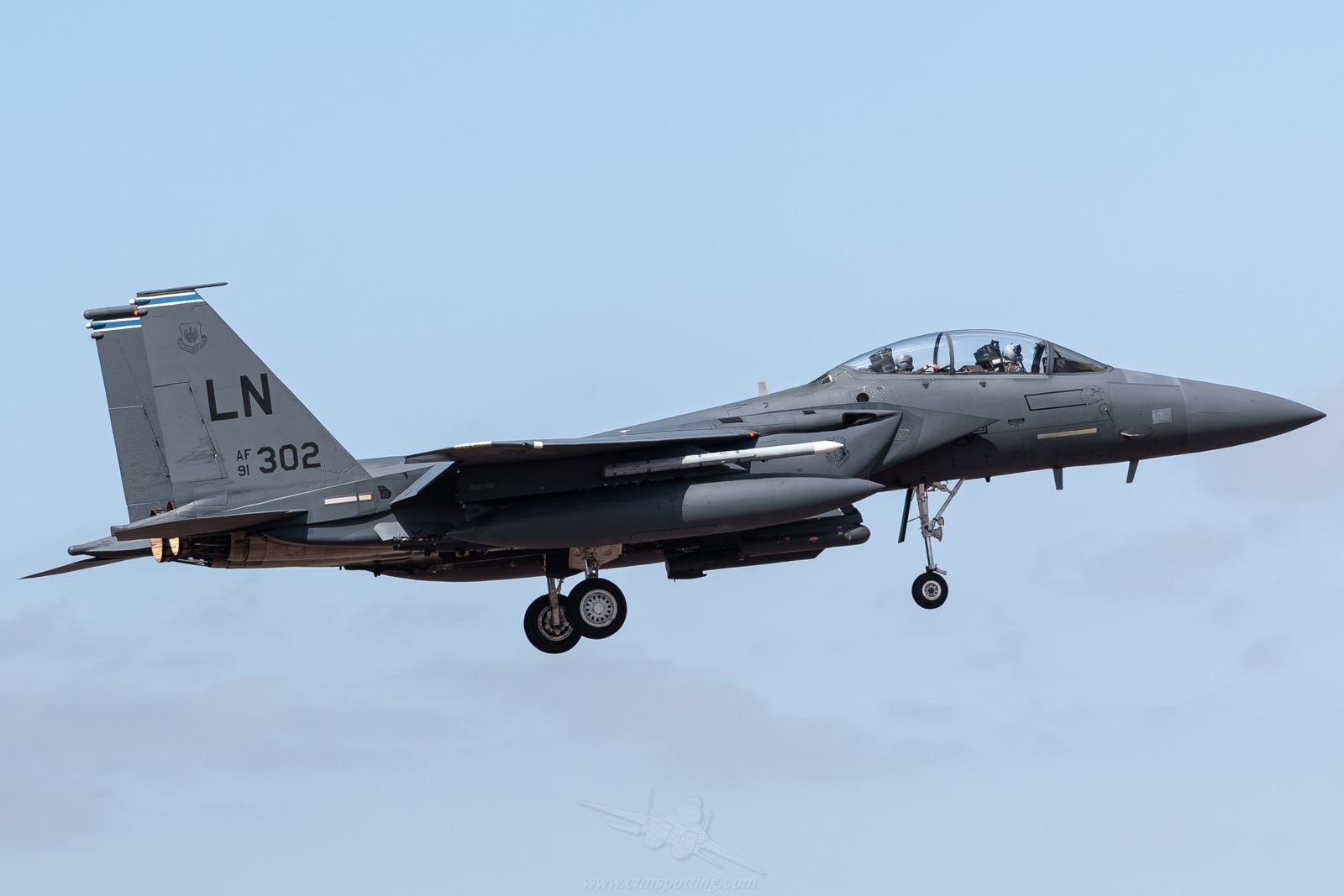
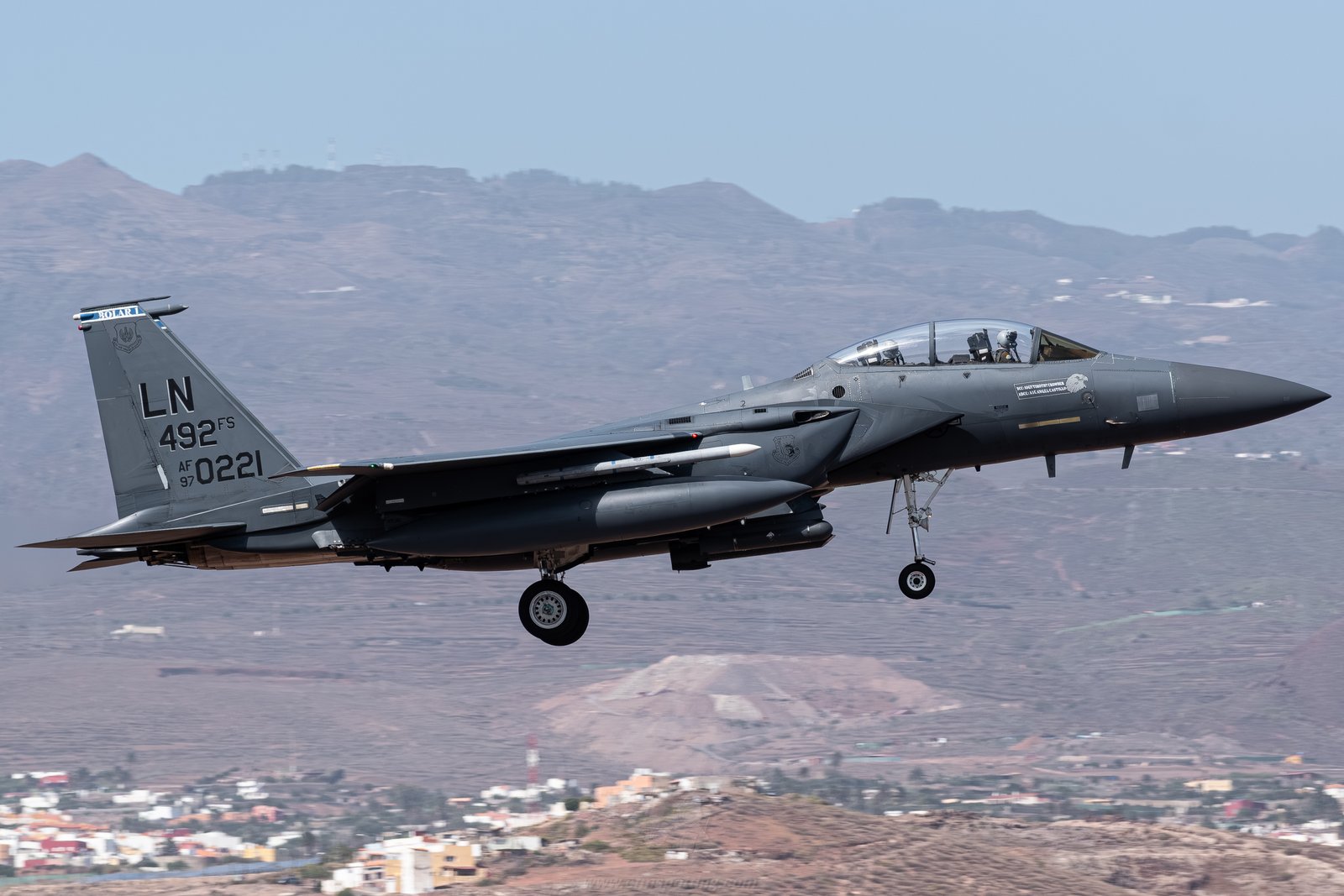
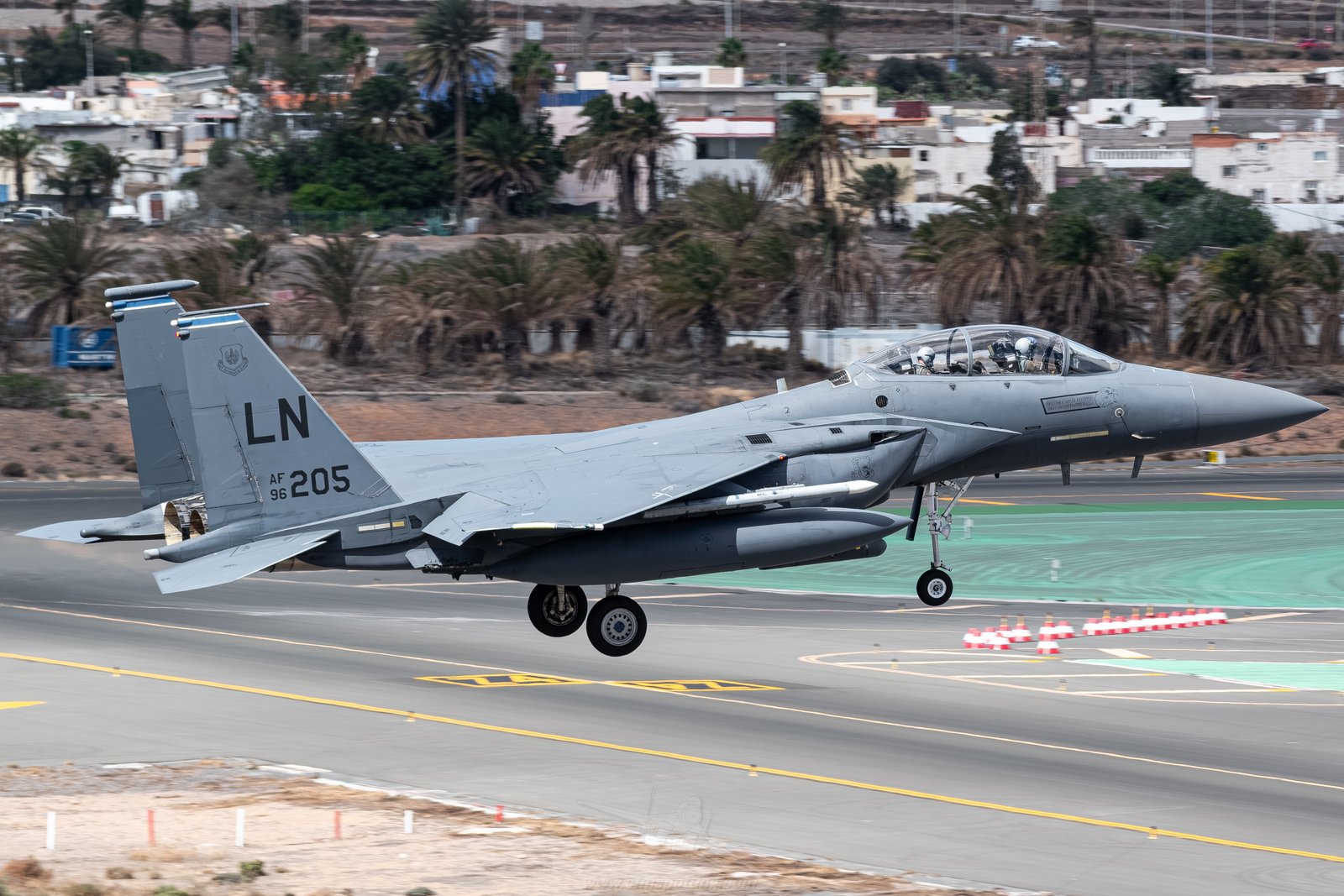
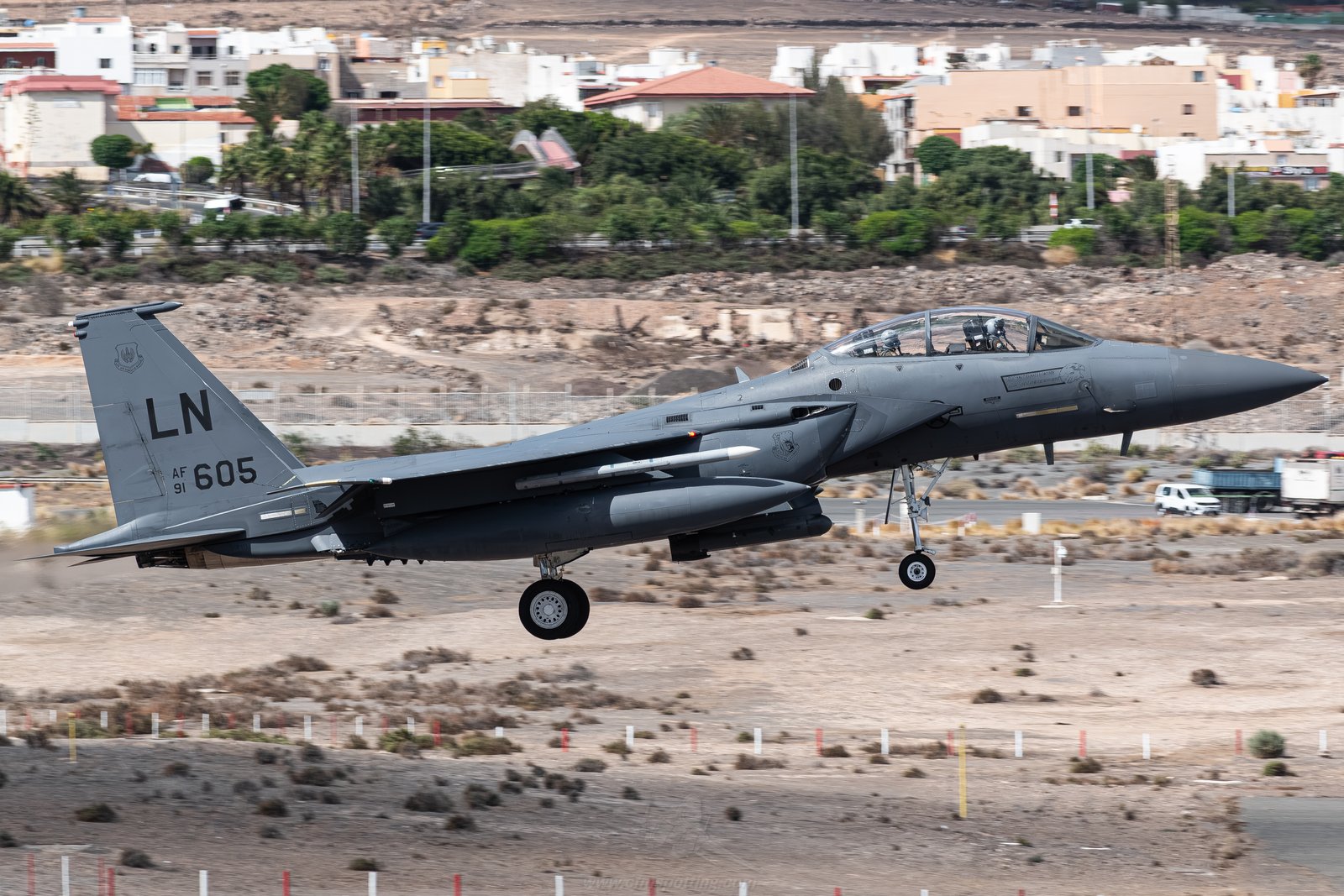
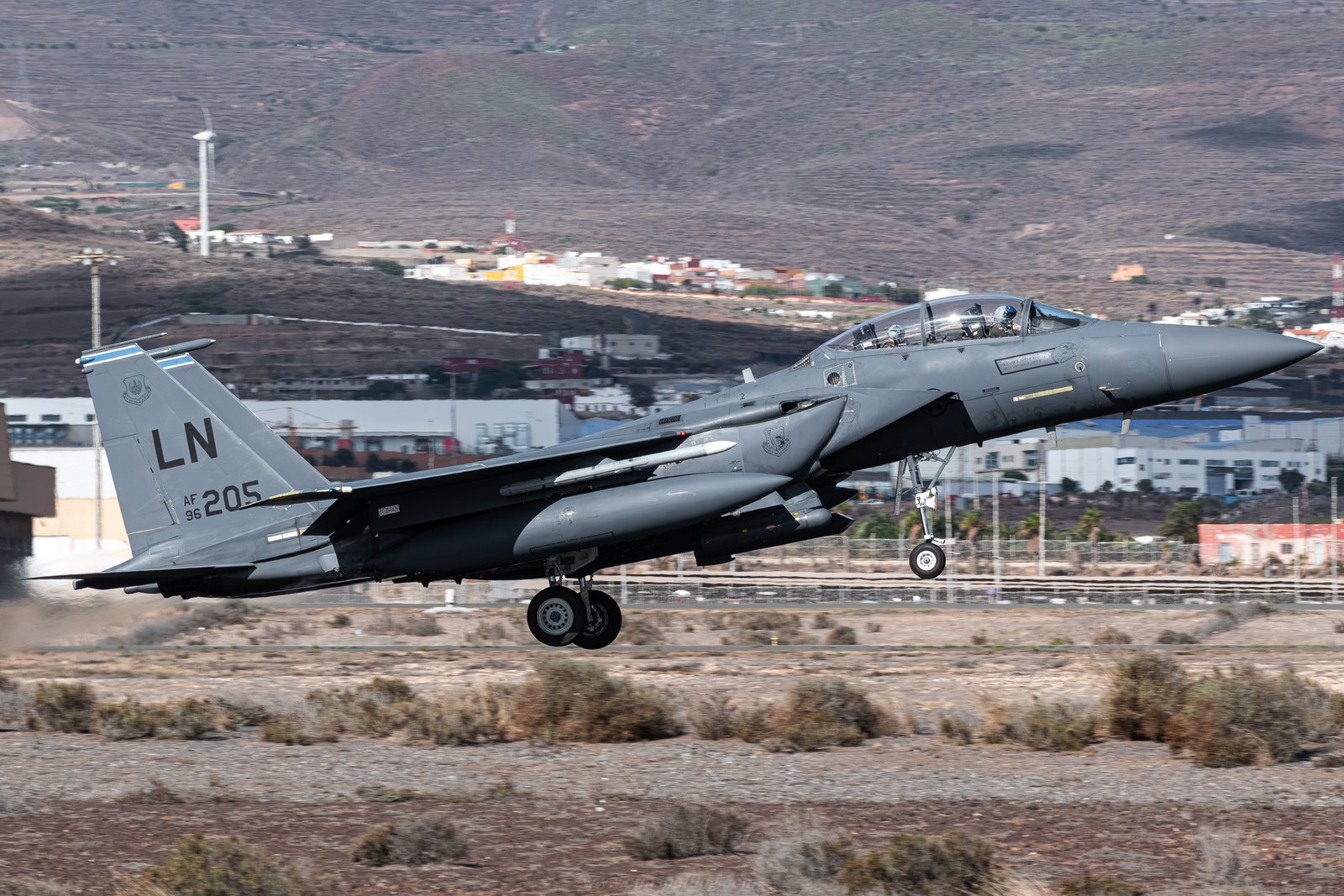
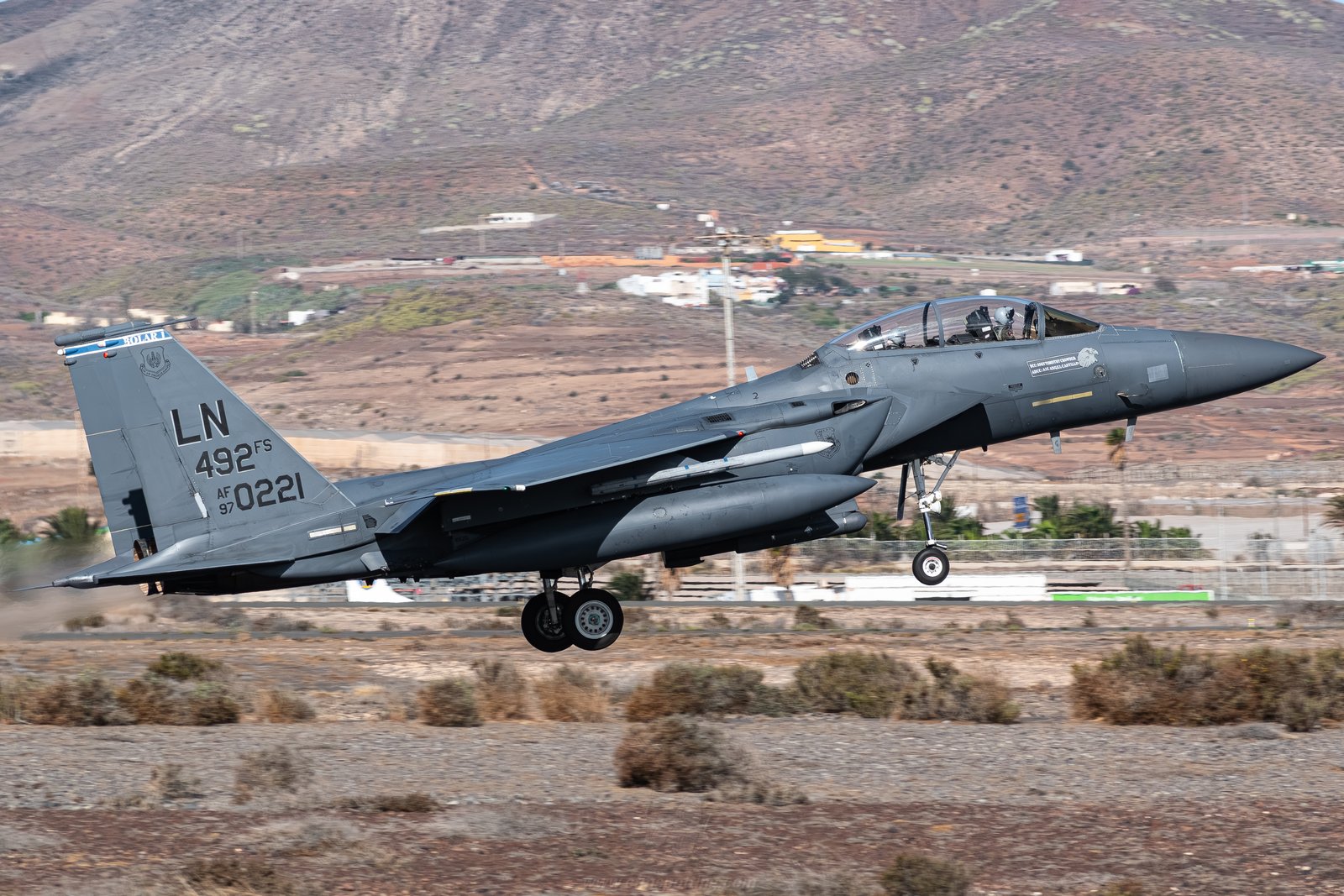
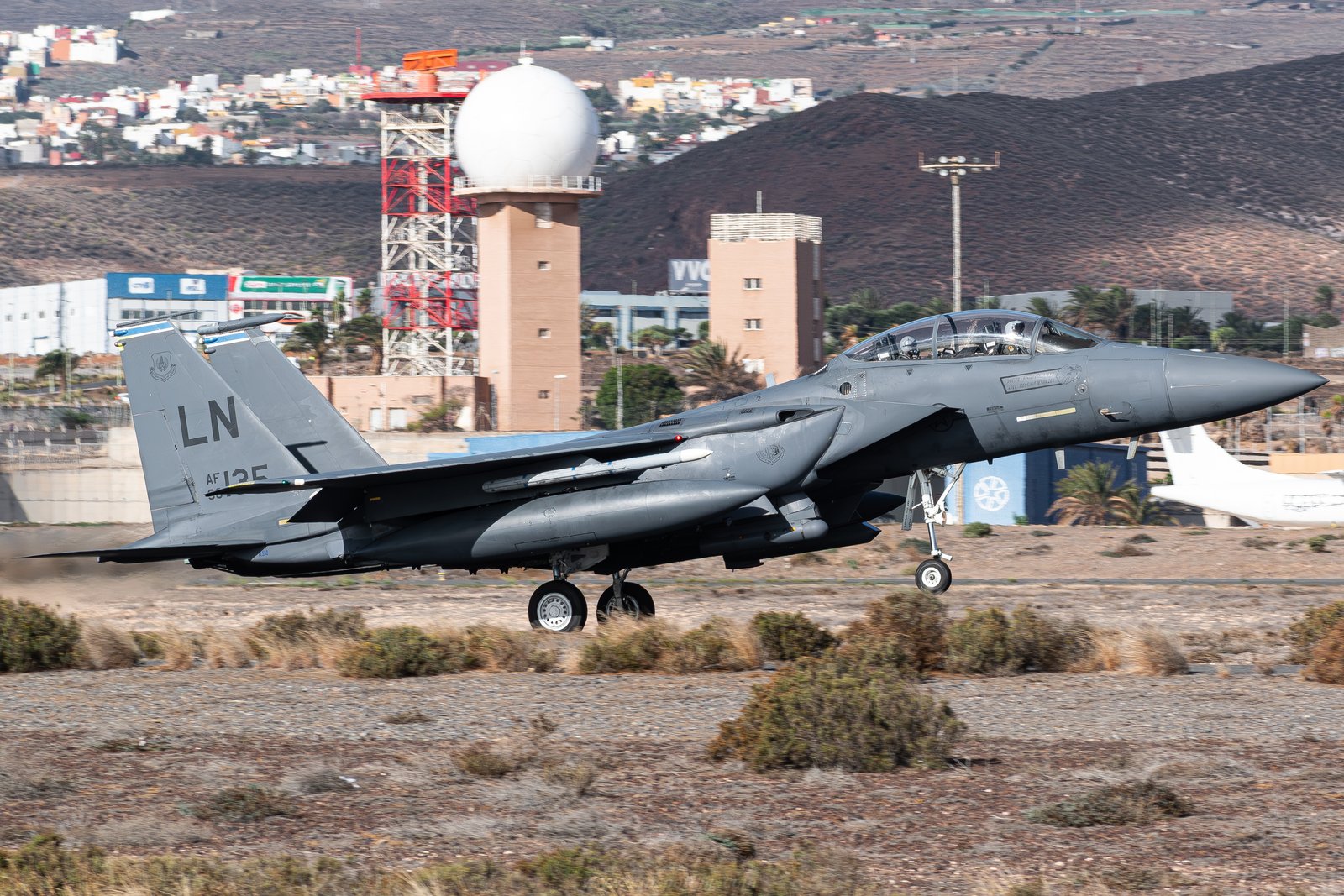
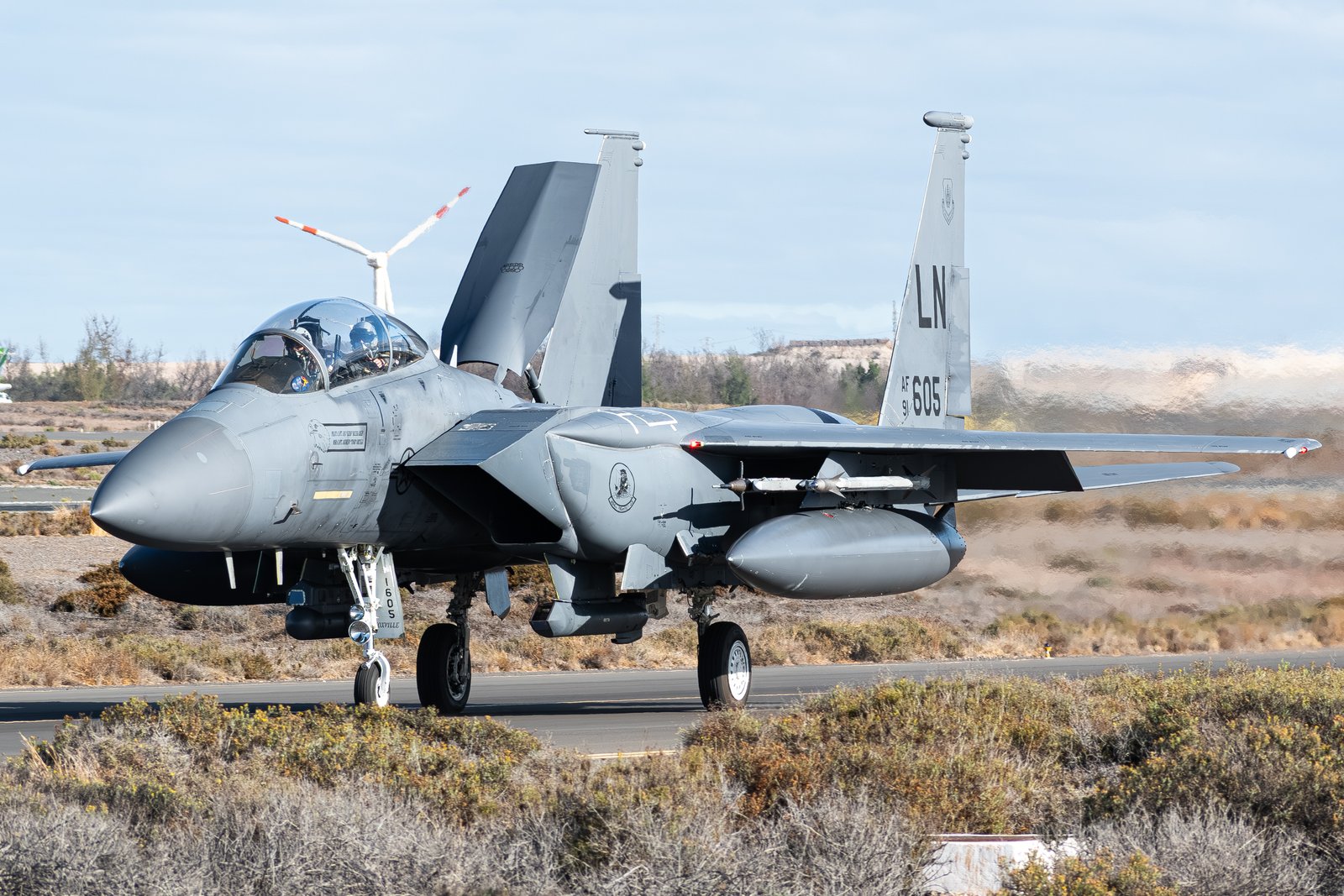
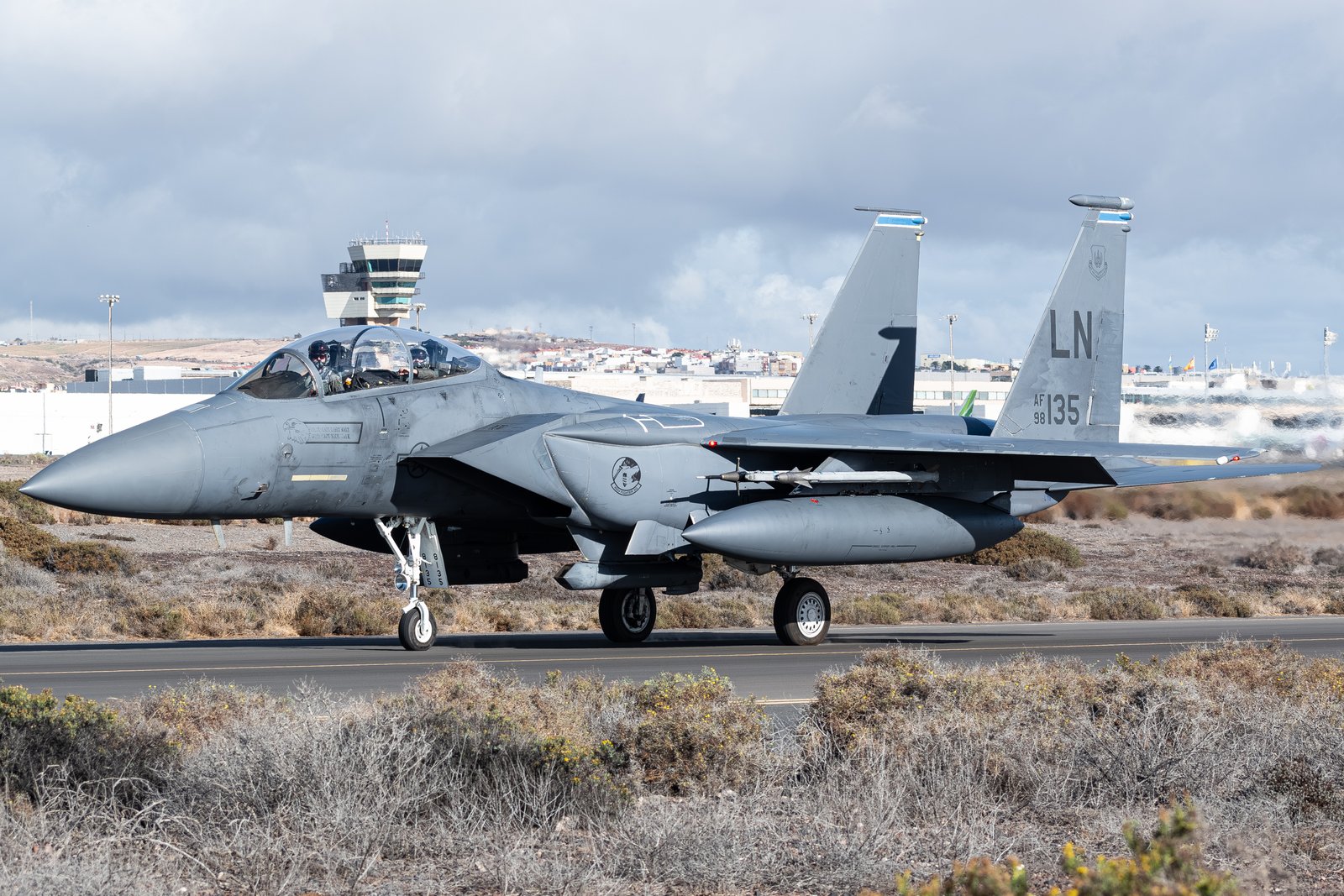
The United States Air Force participated with the F-15E Strike Eagle, a heavy, long-range strike platform capable of delivering precision ground firepower while maintaining strong air-to-air capability.
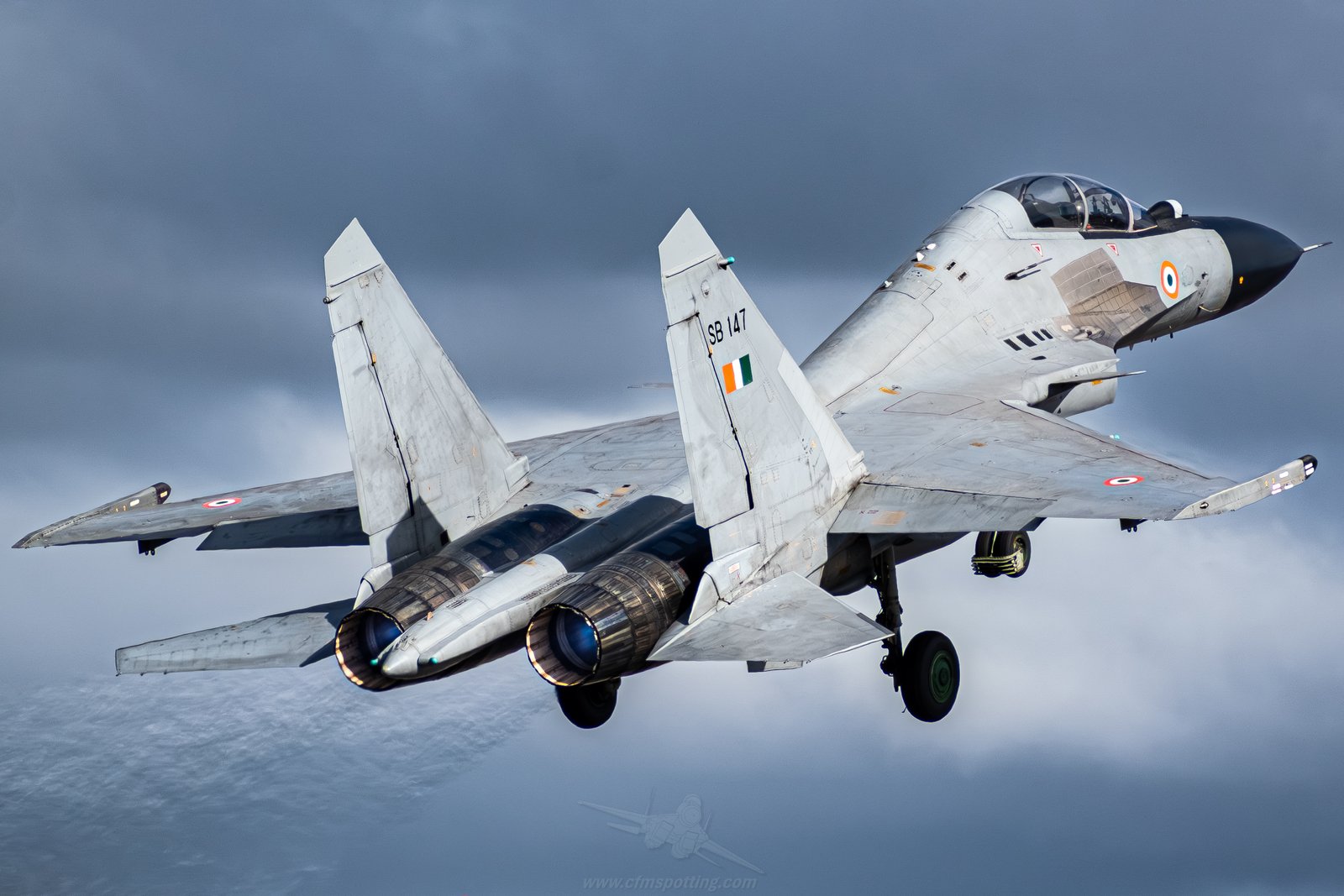
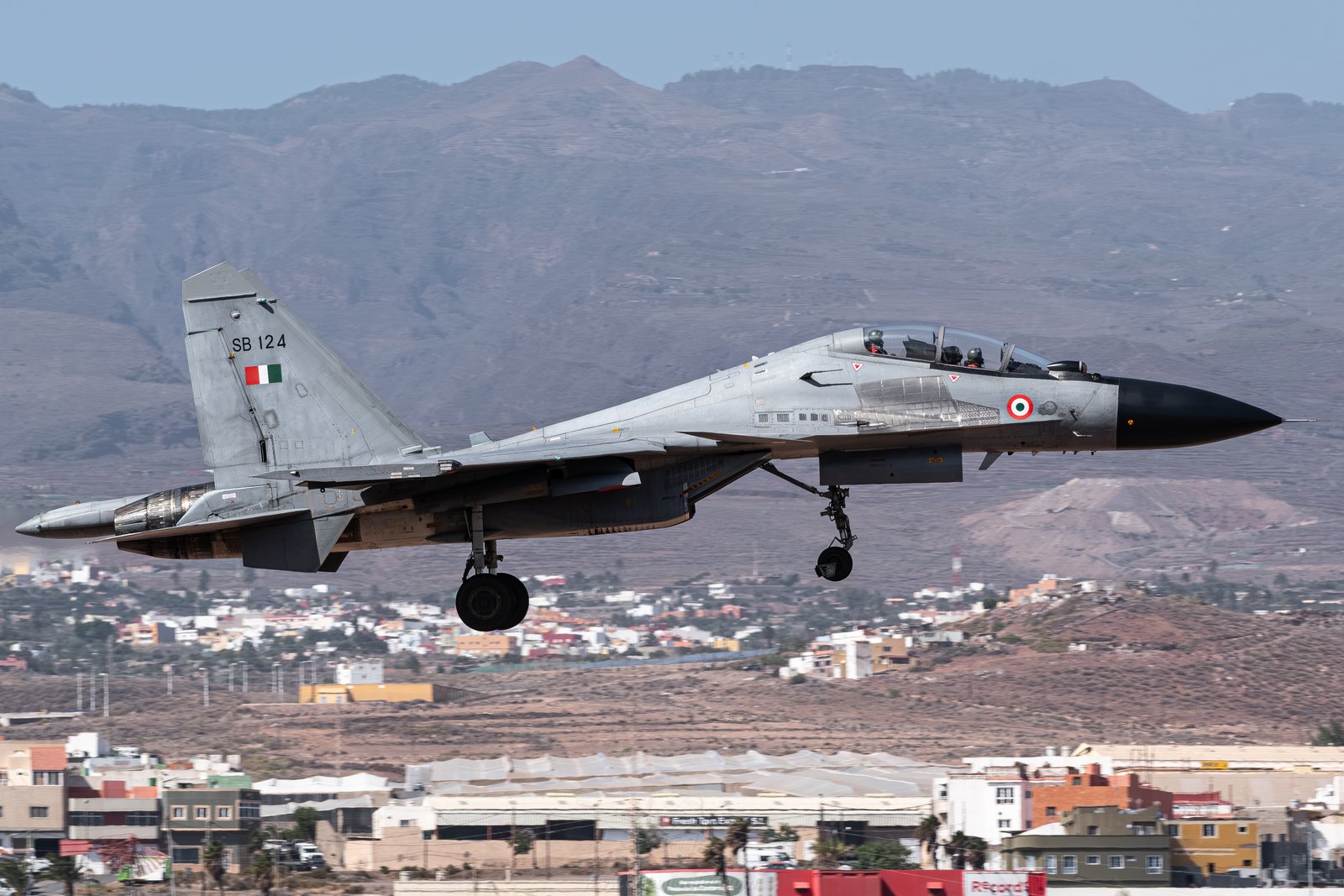
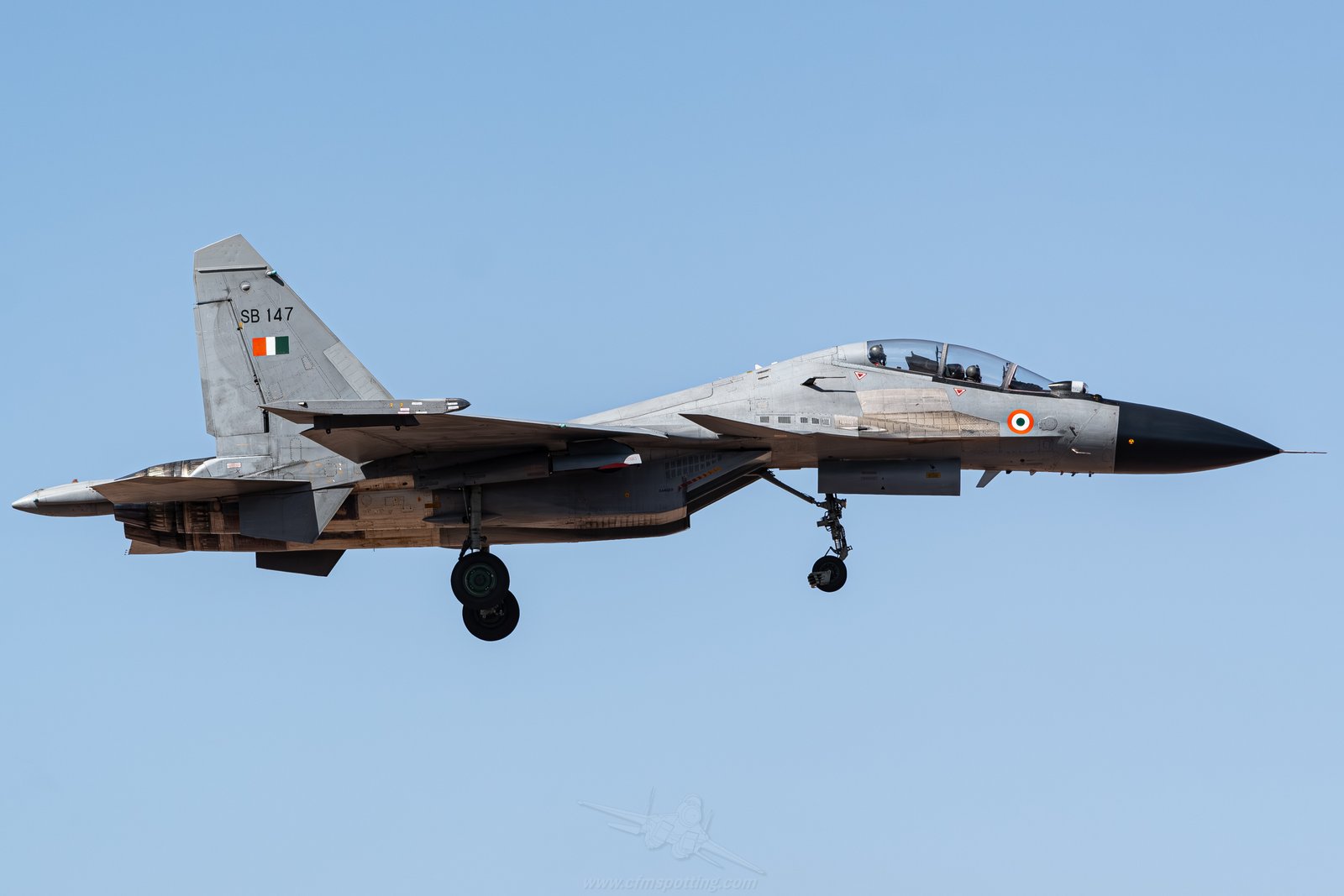
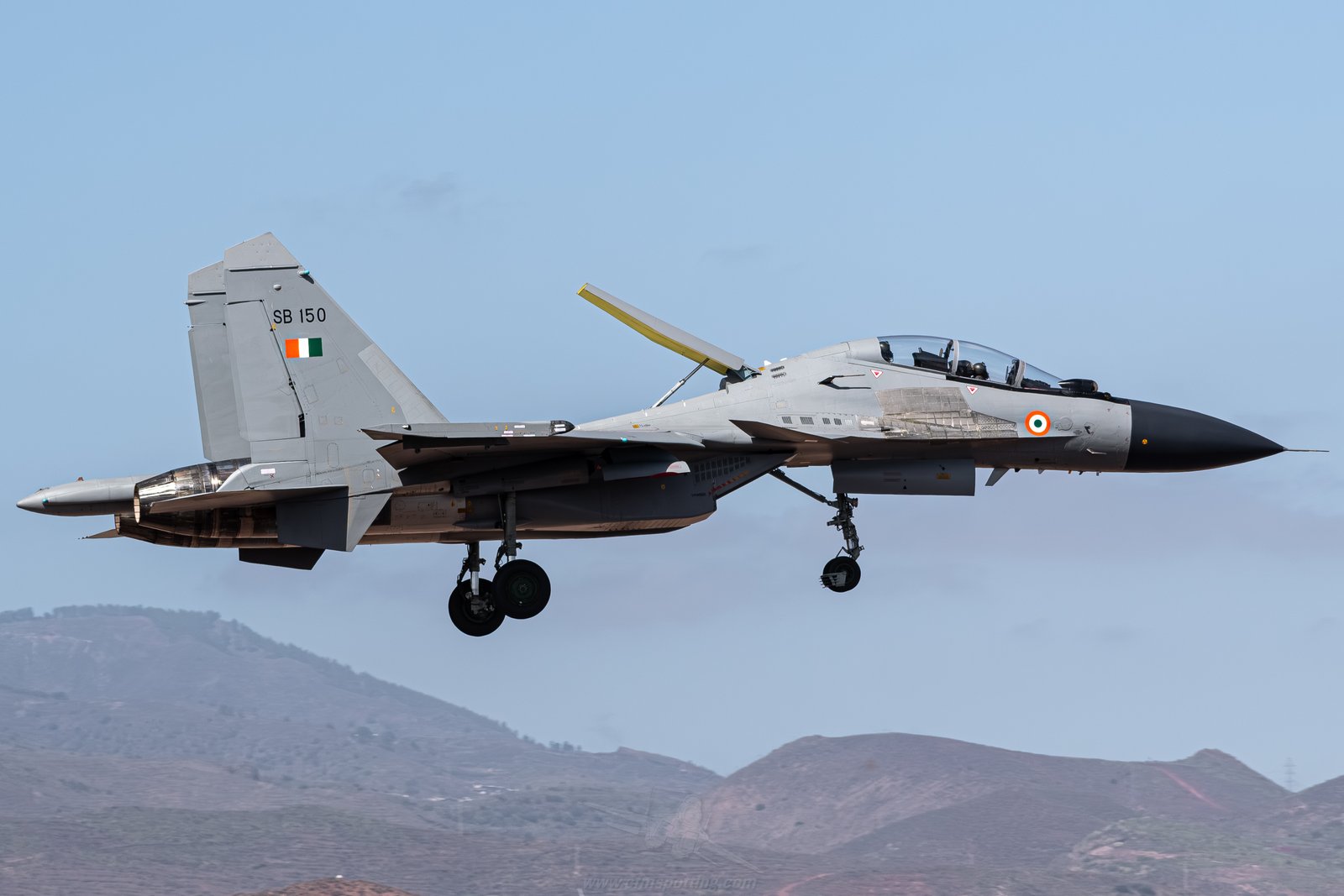
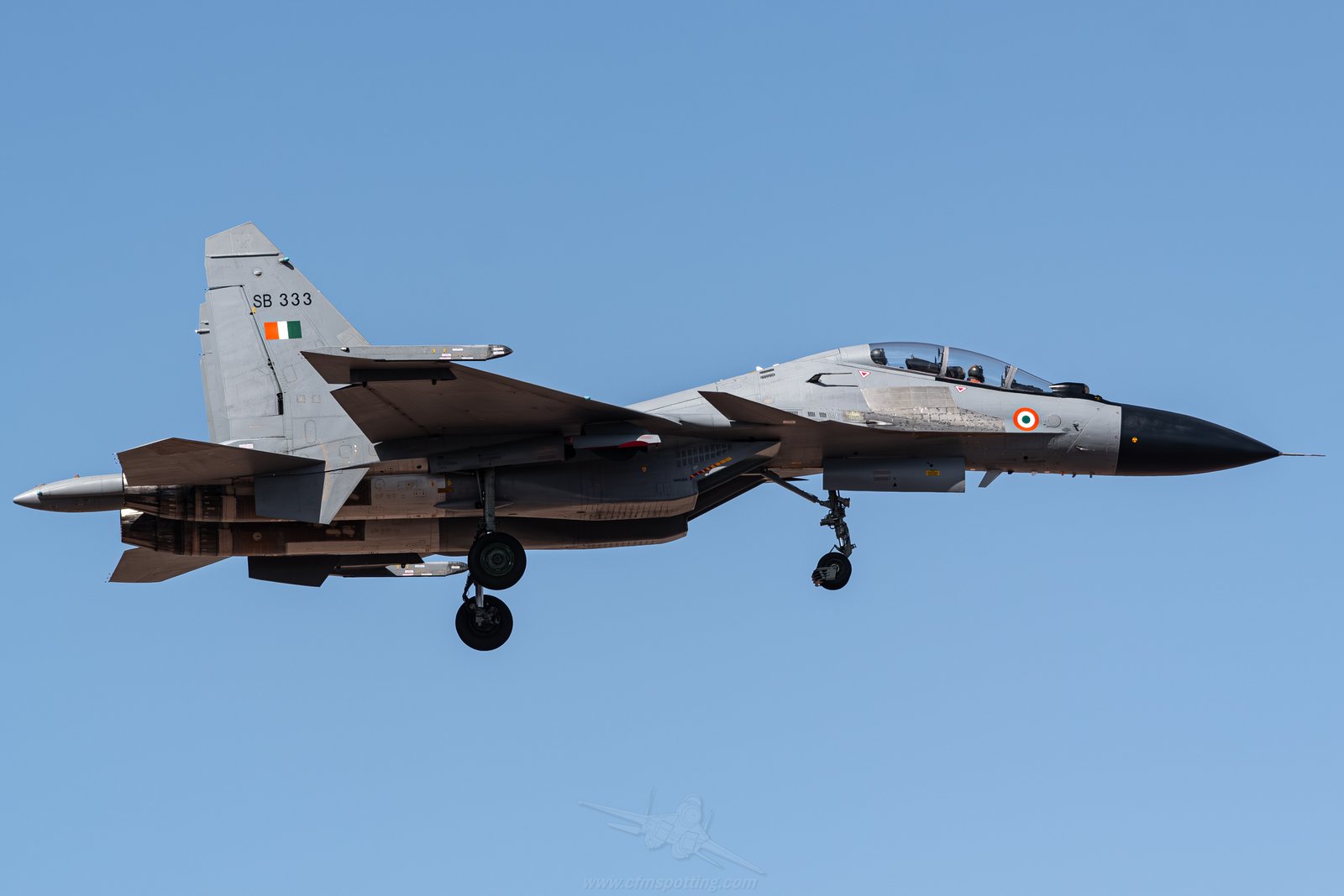
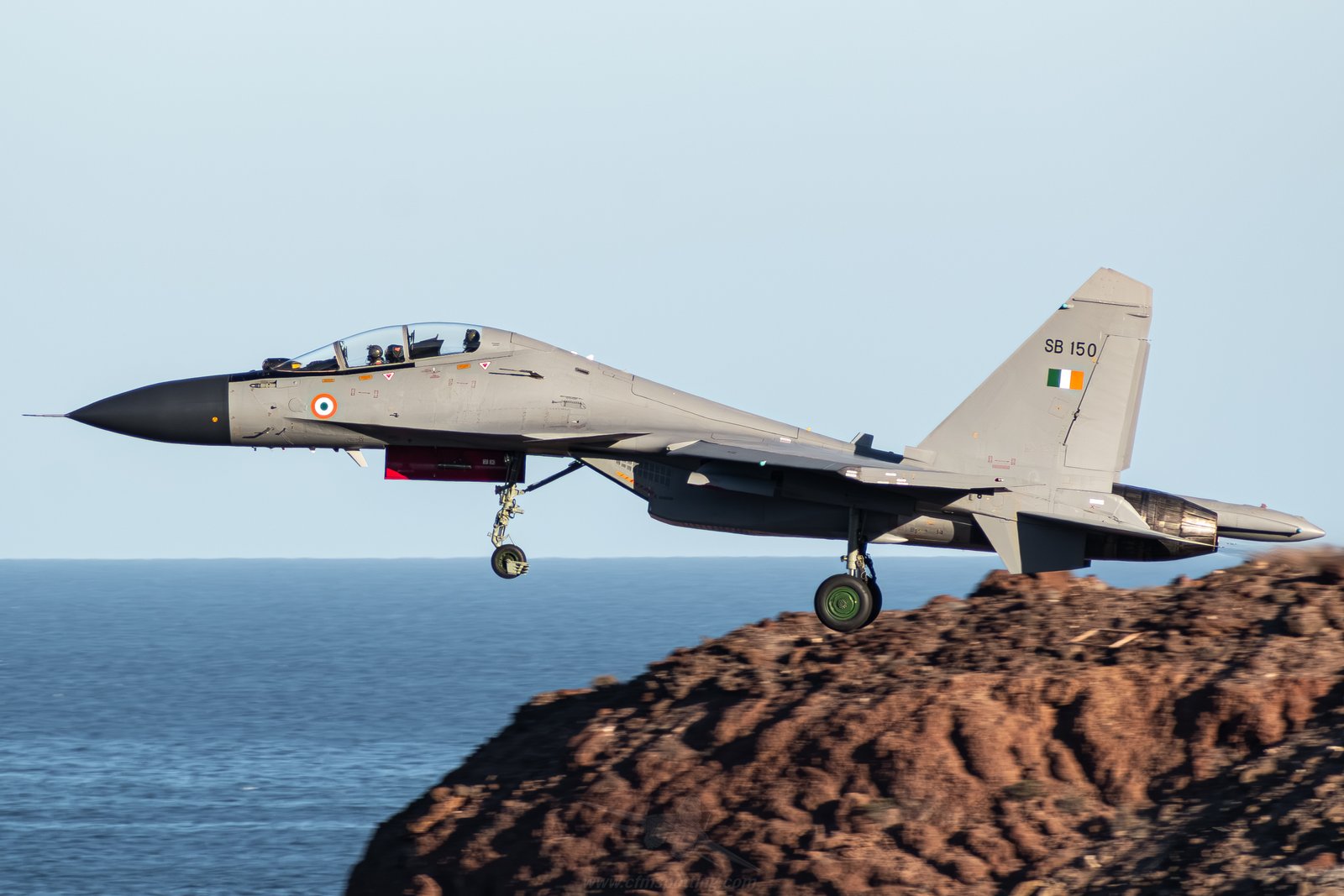
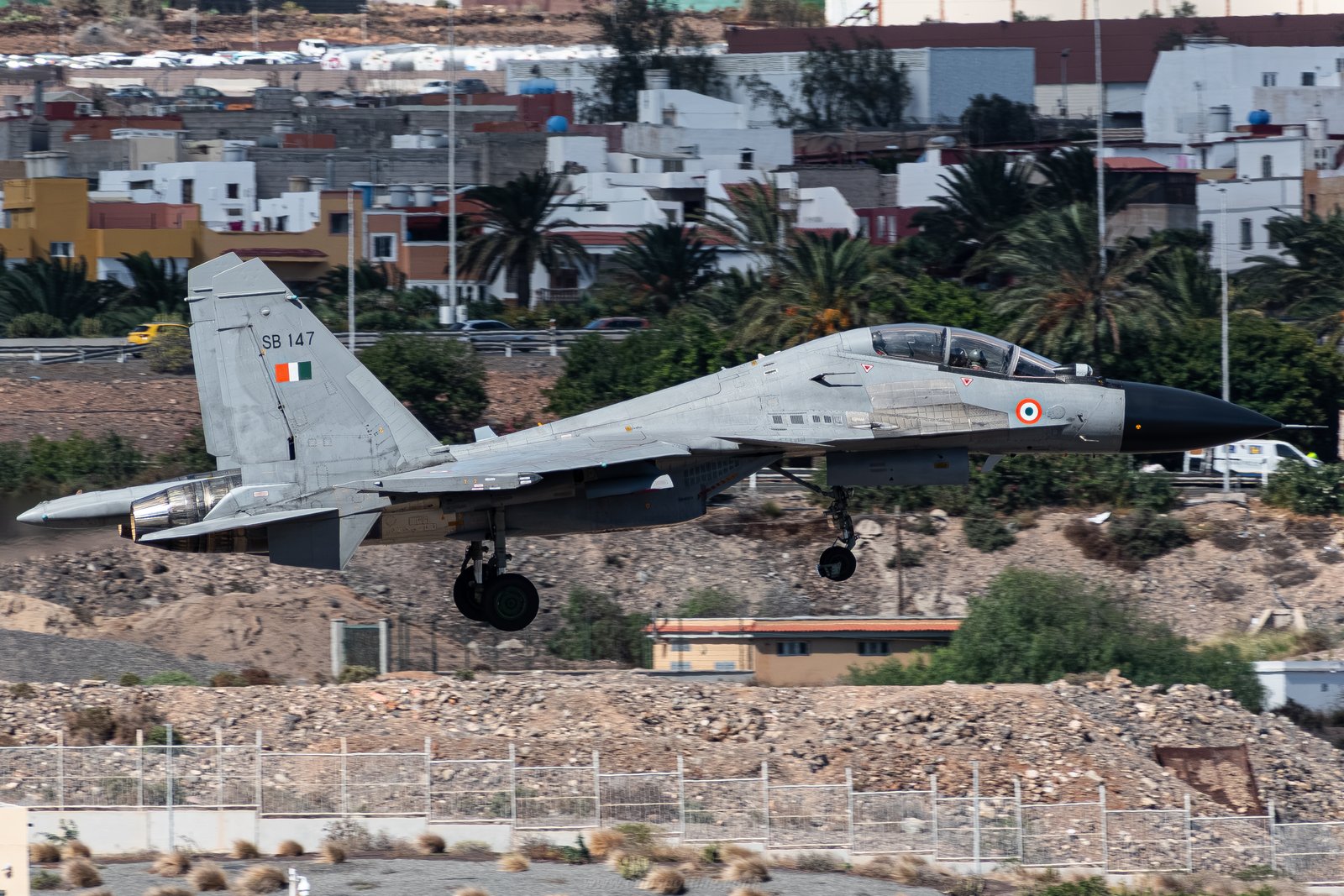
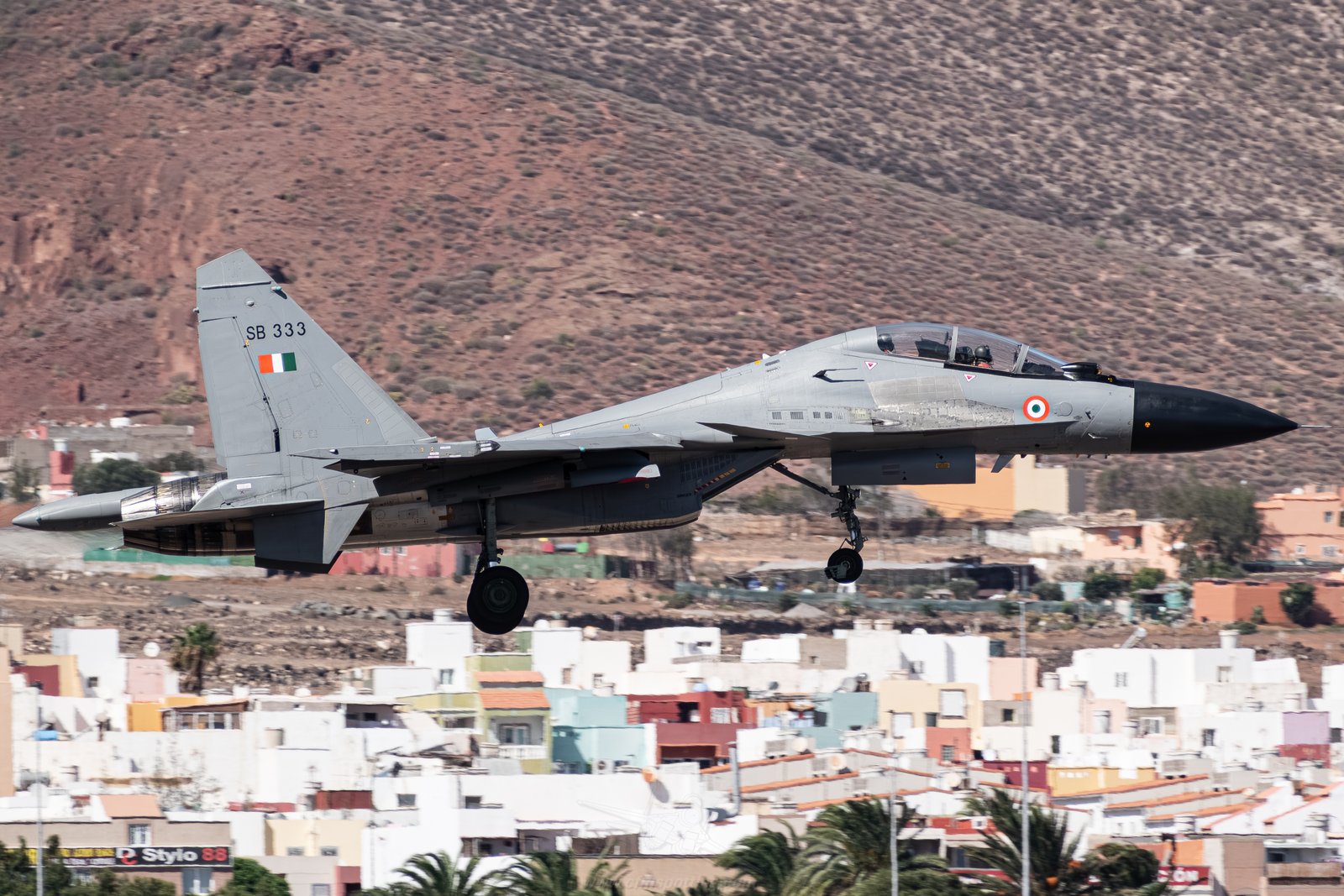
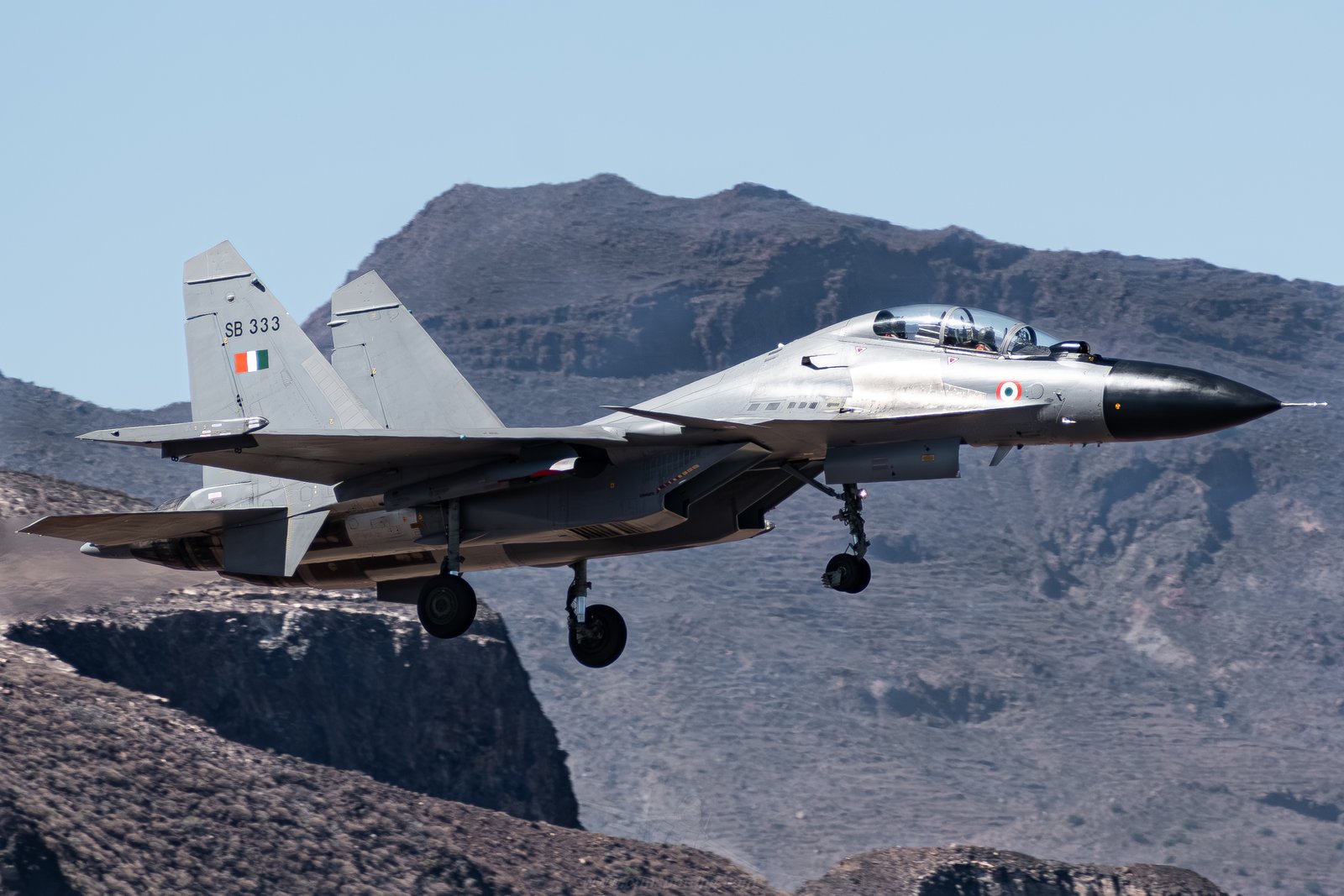
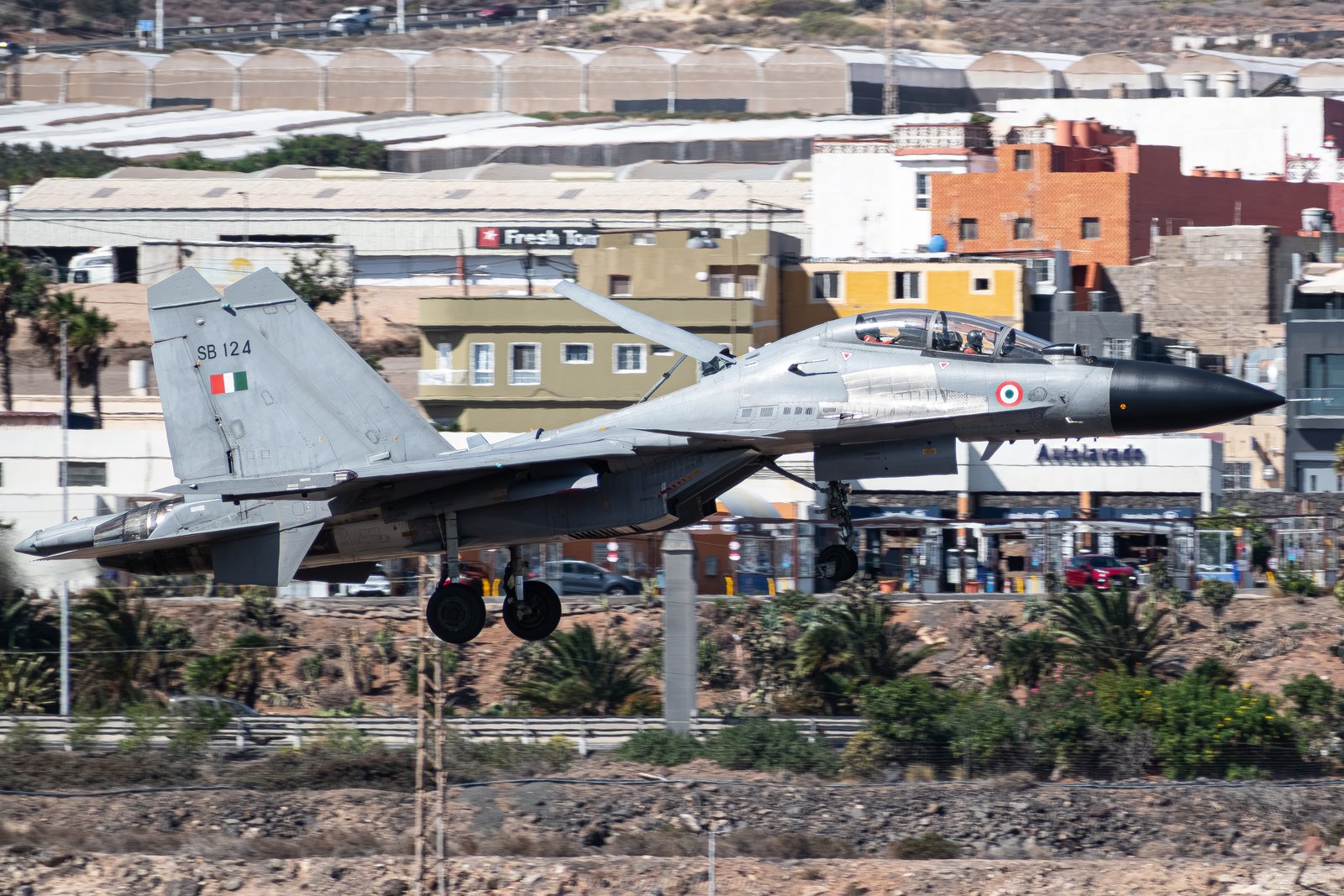
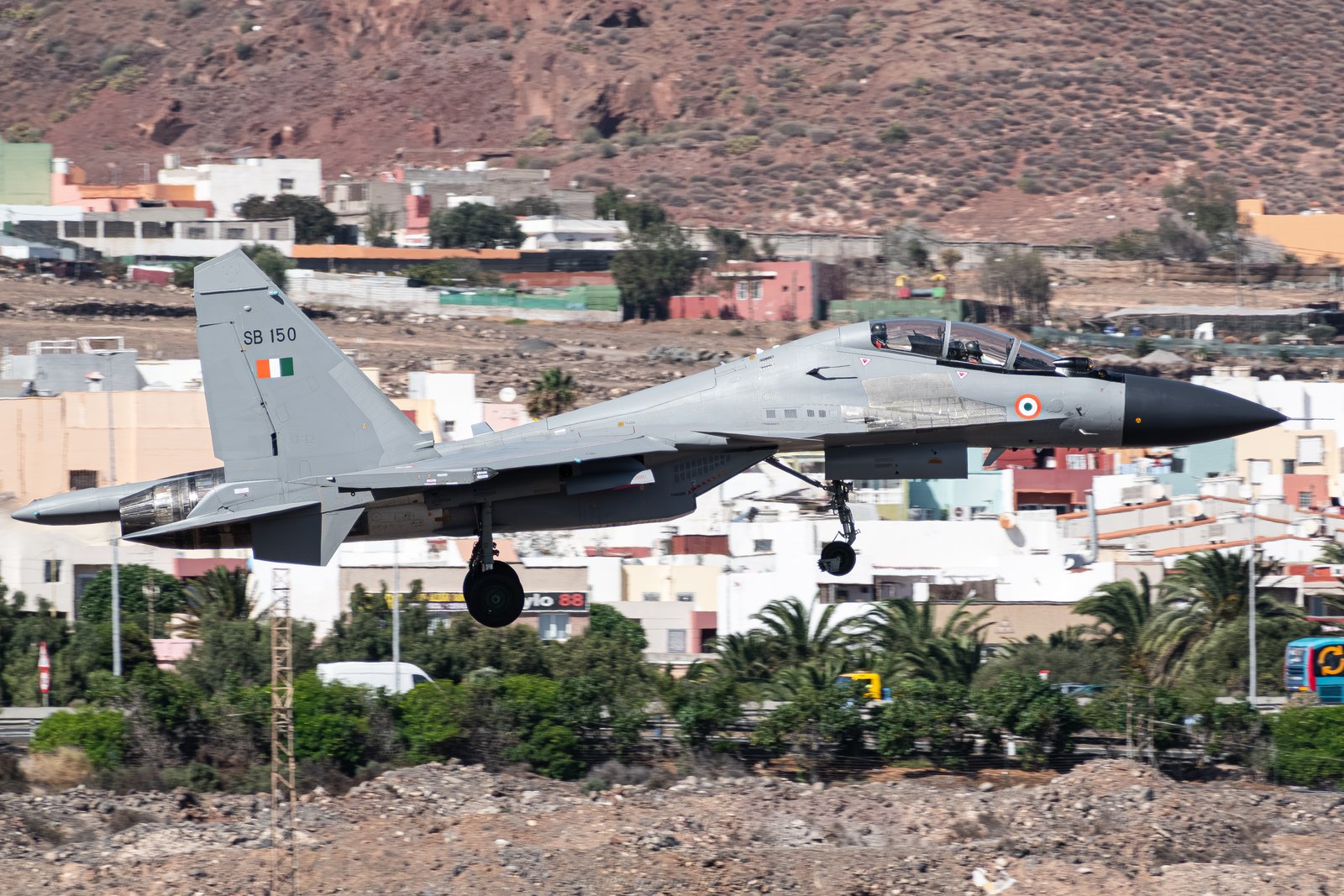
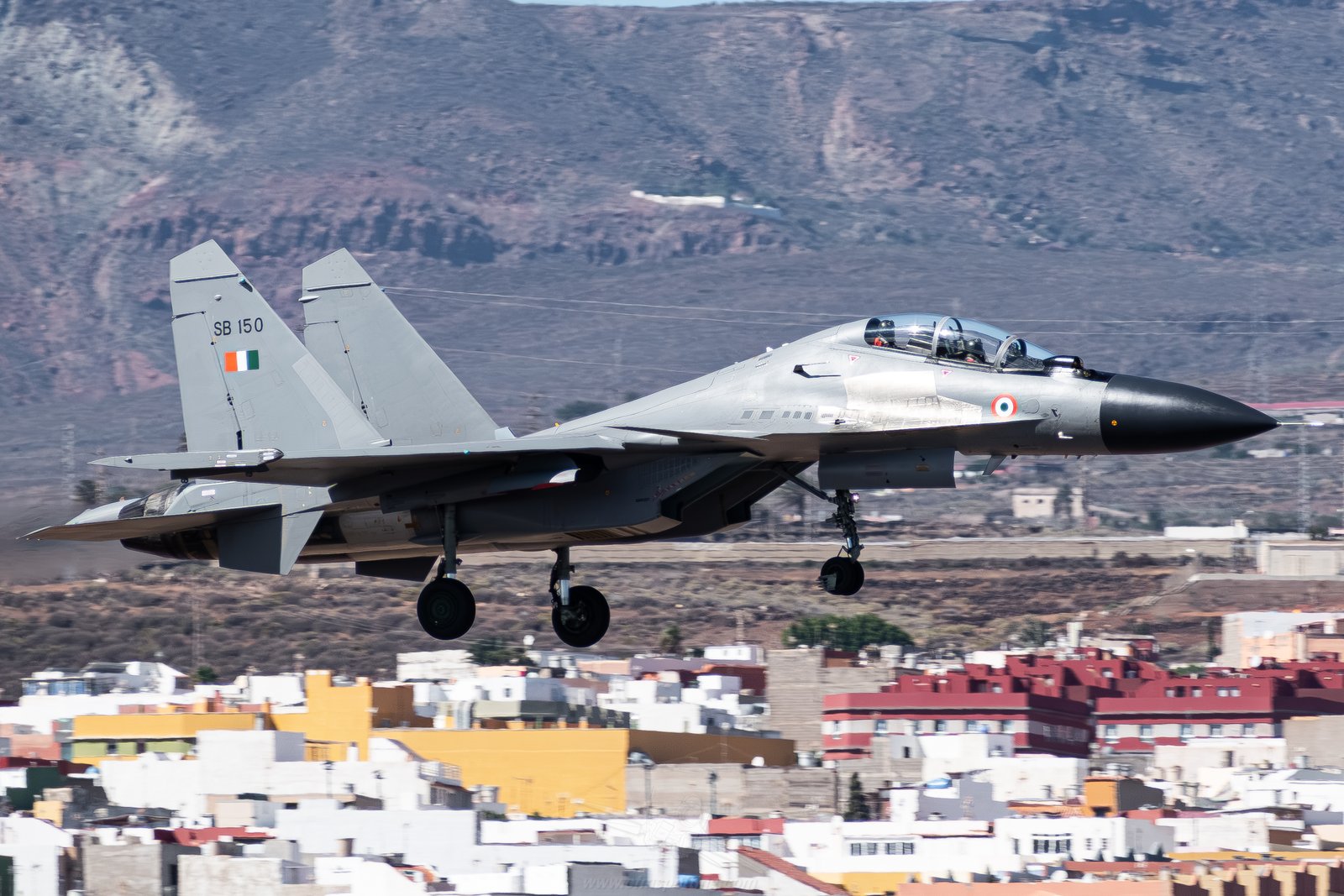
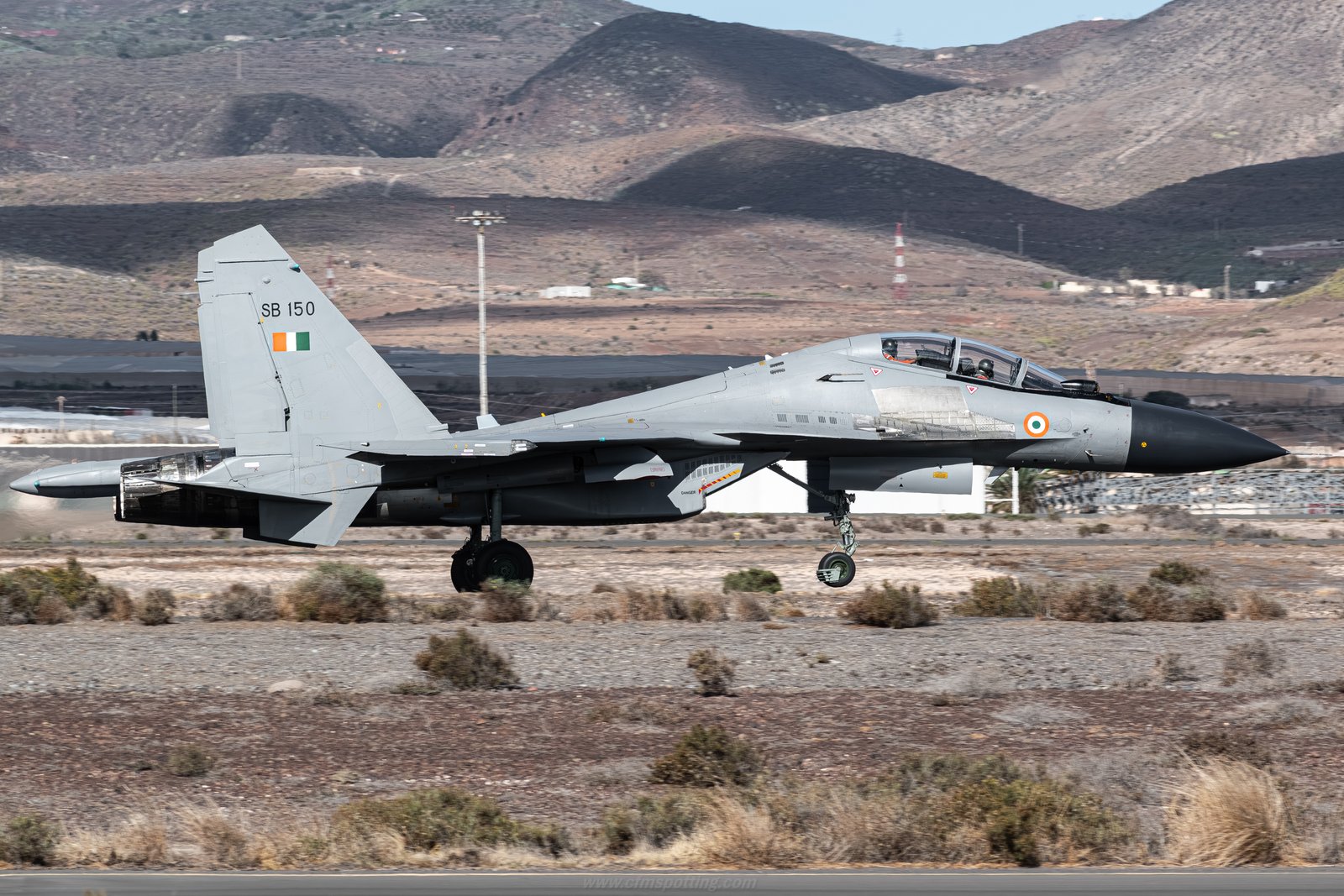
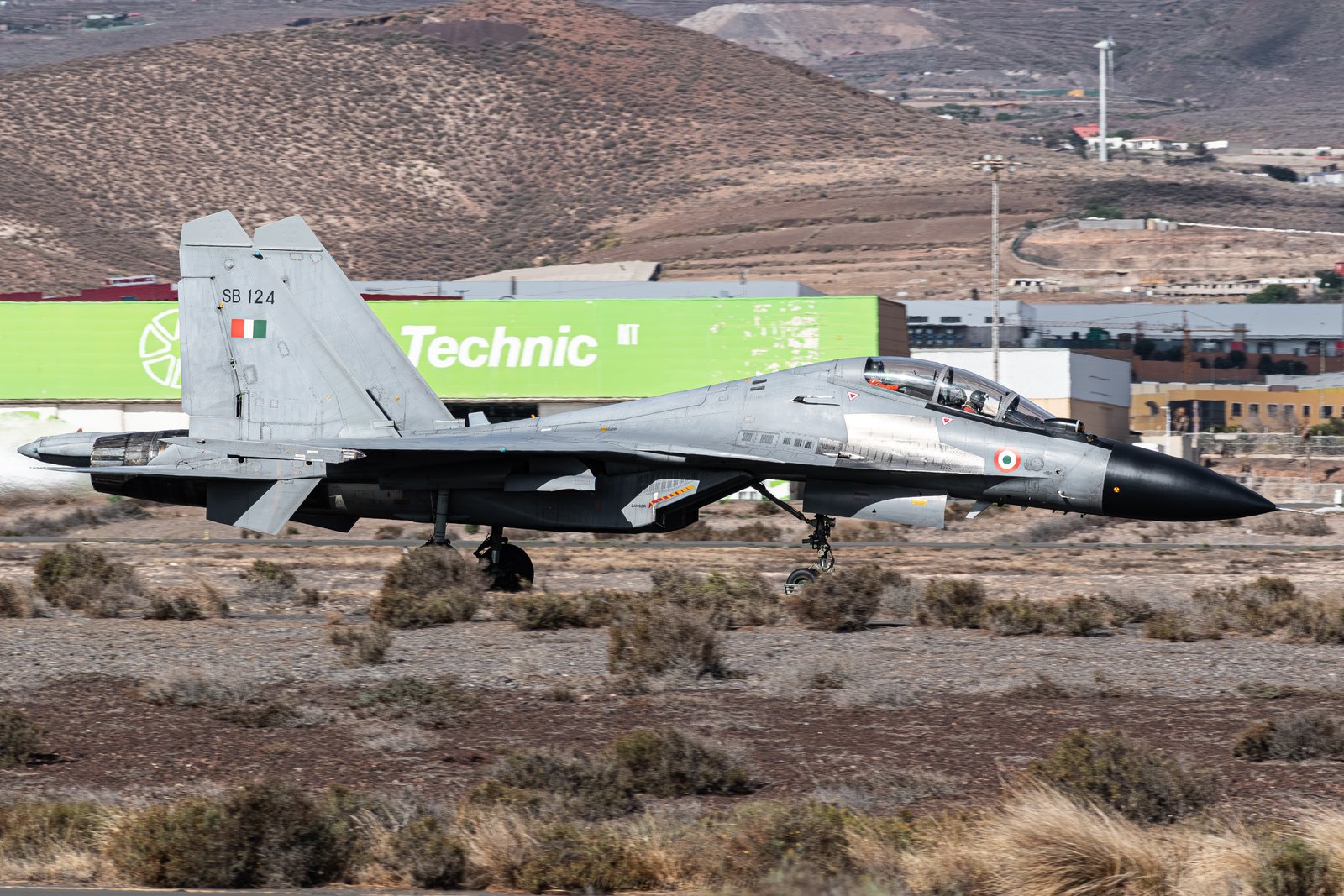
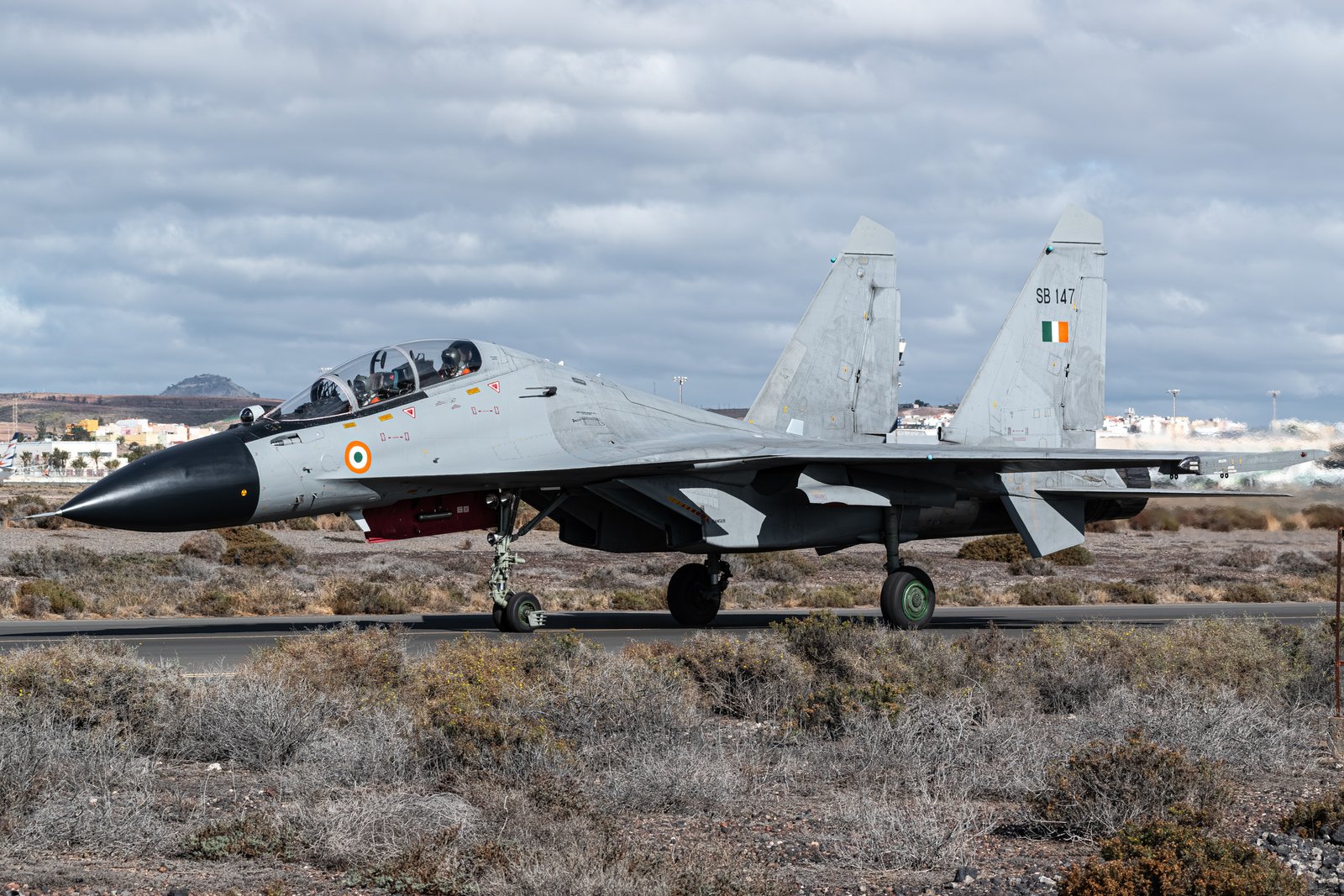
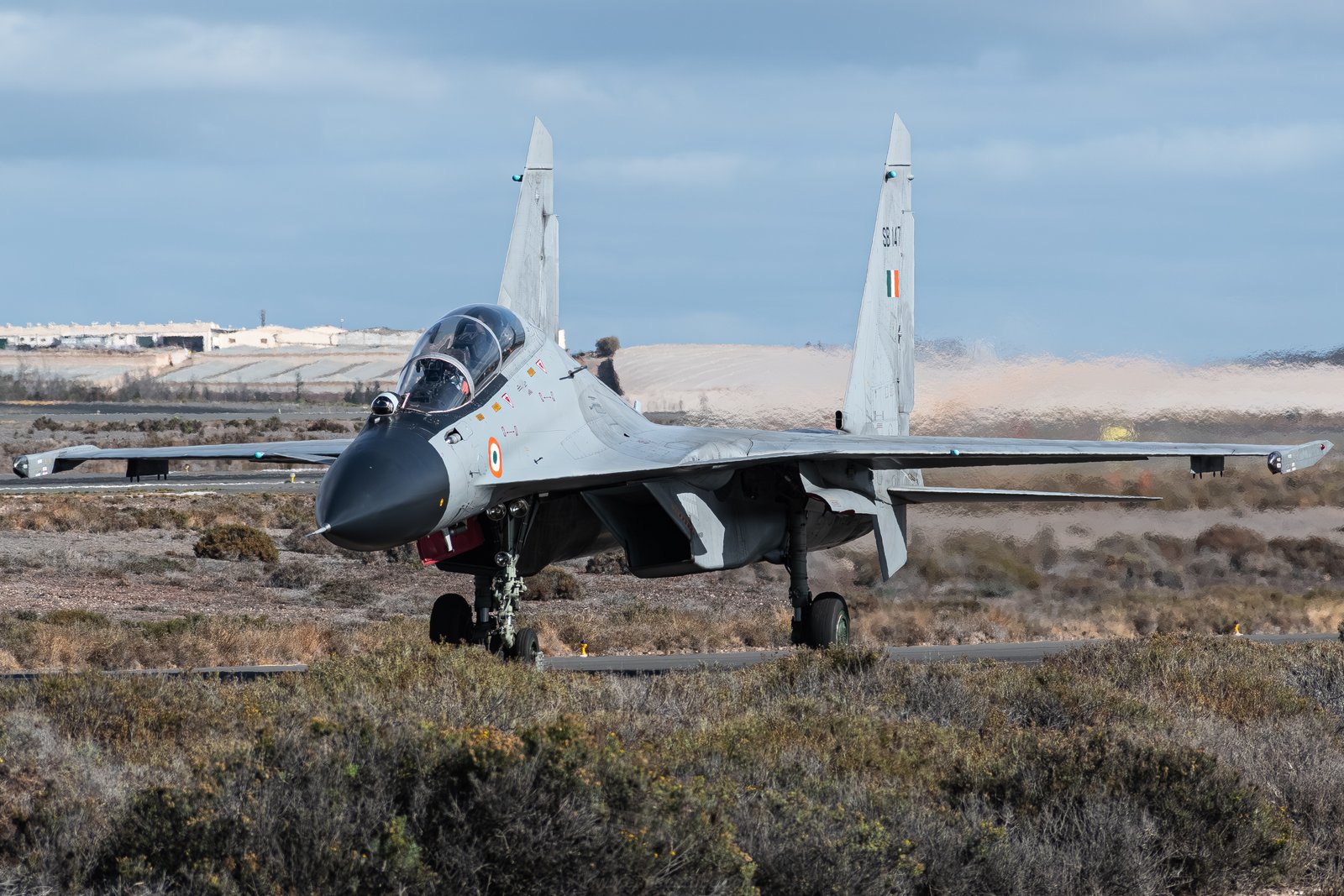
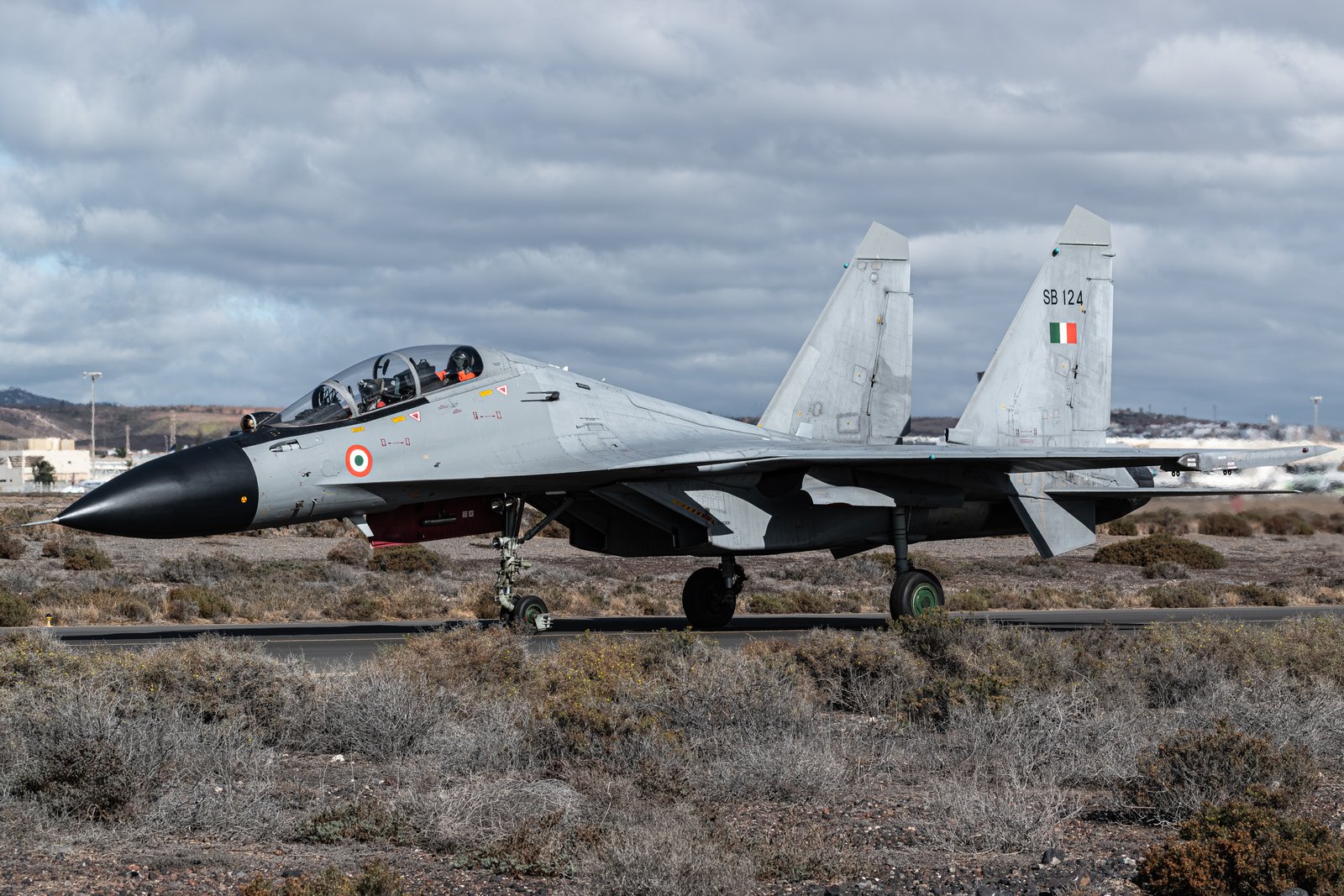
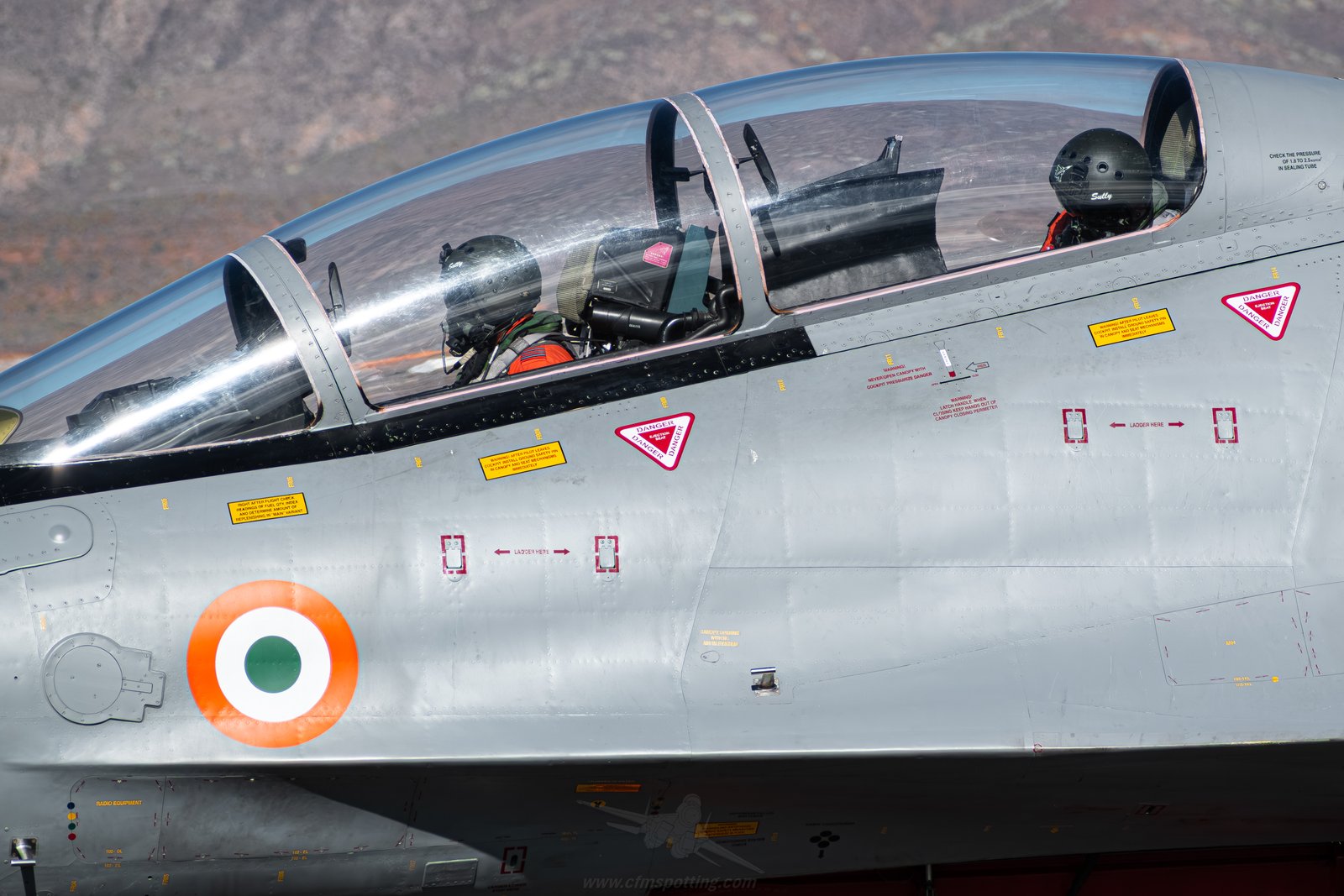
However, the most distinctive presence came from outside NATO. For the first time in the history of the exercise, the Indian Air Force (Bharatiya Vayu Sena) deployed its Russian-made Sukhoi Su-30MKI Flankers, introducing a completely different design philosophy and significantly increasing the complexity of the training environment.
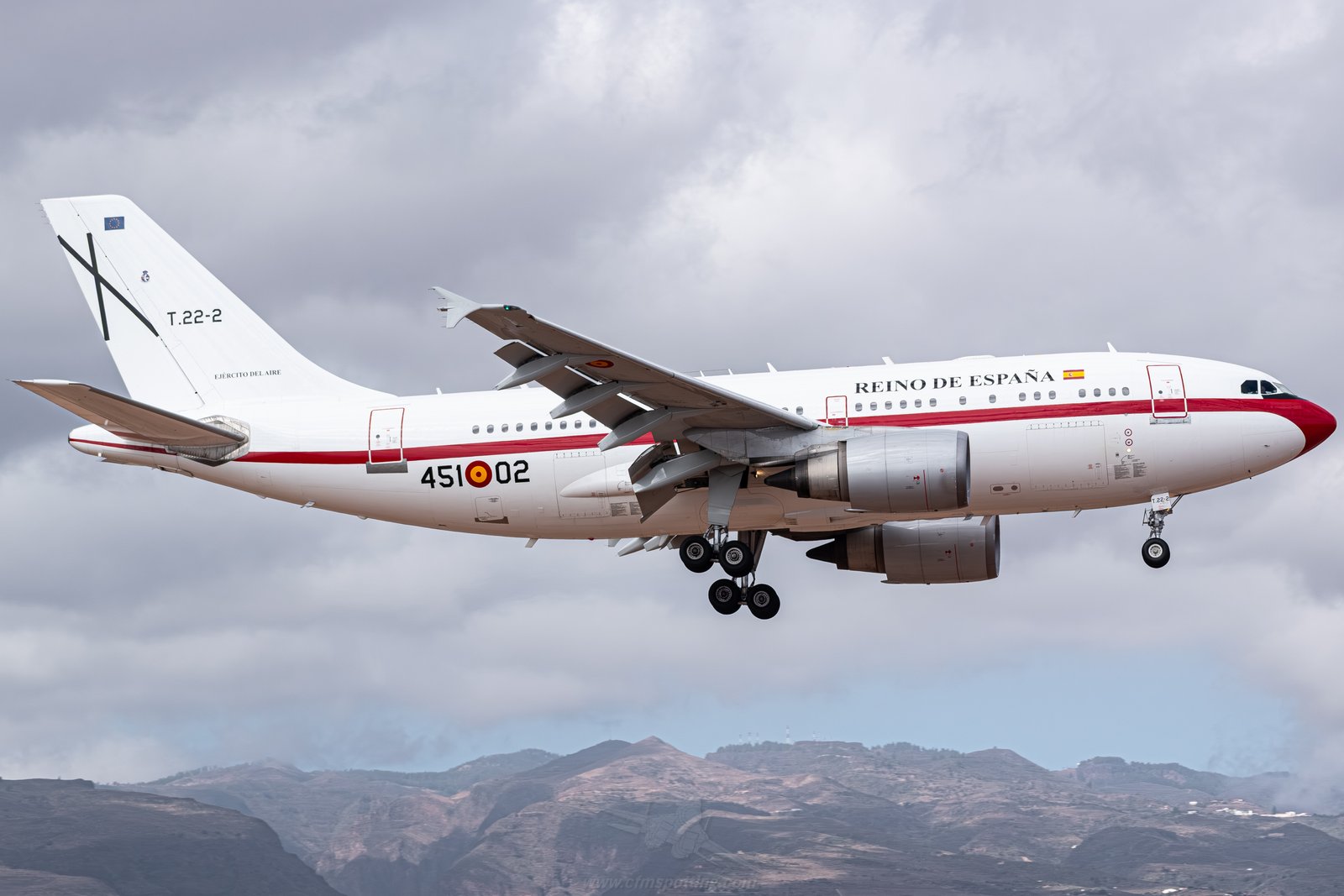
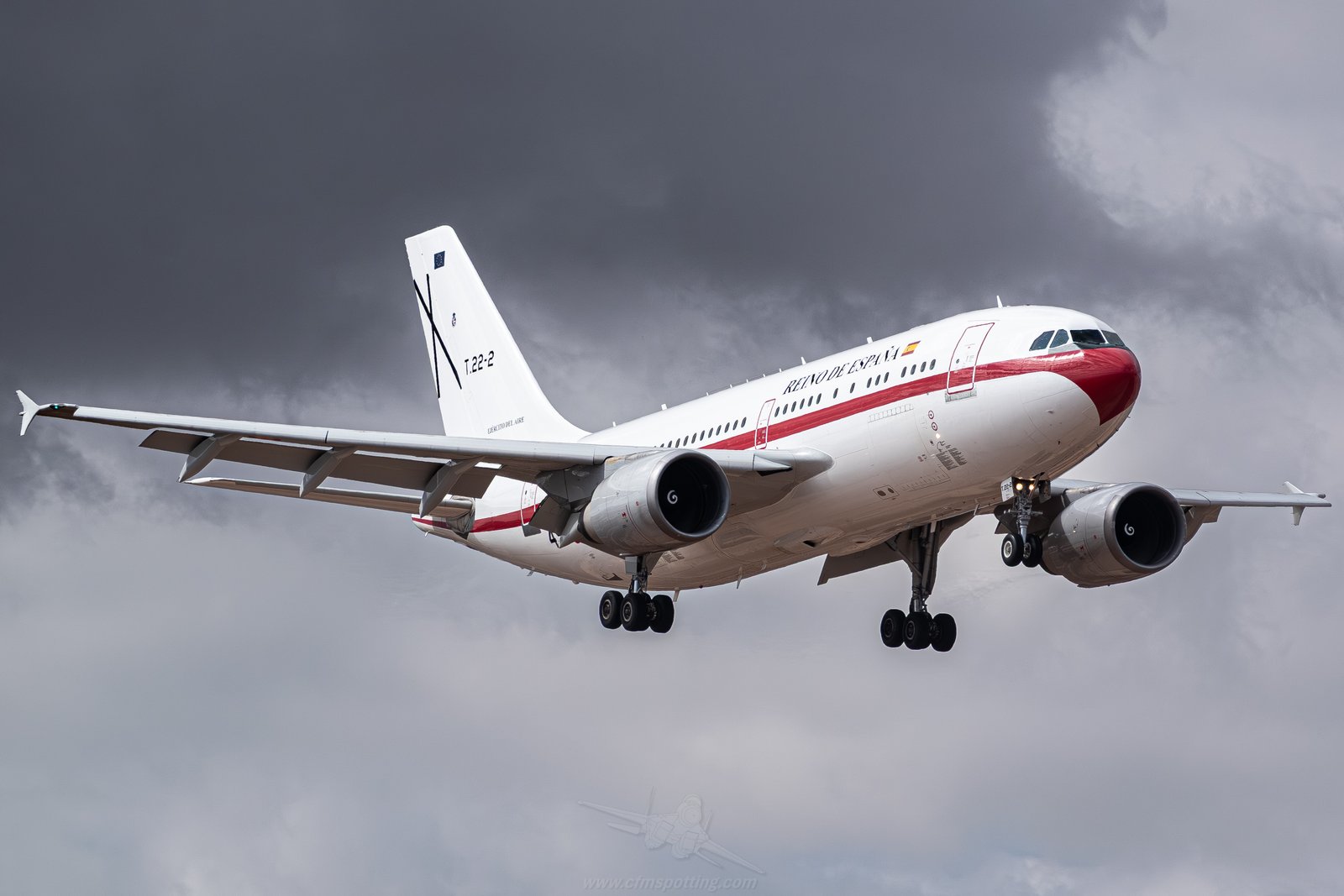
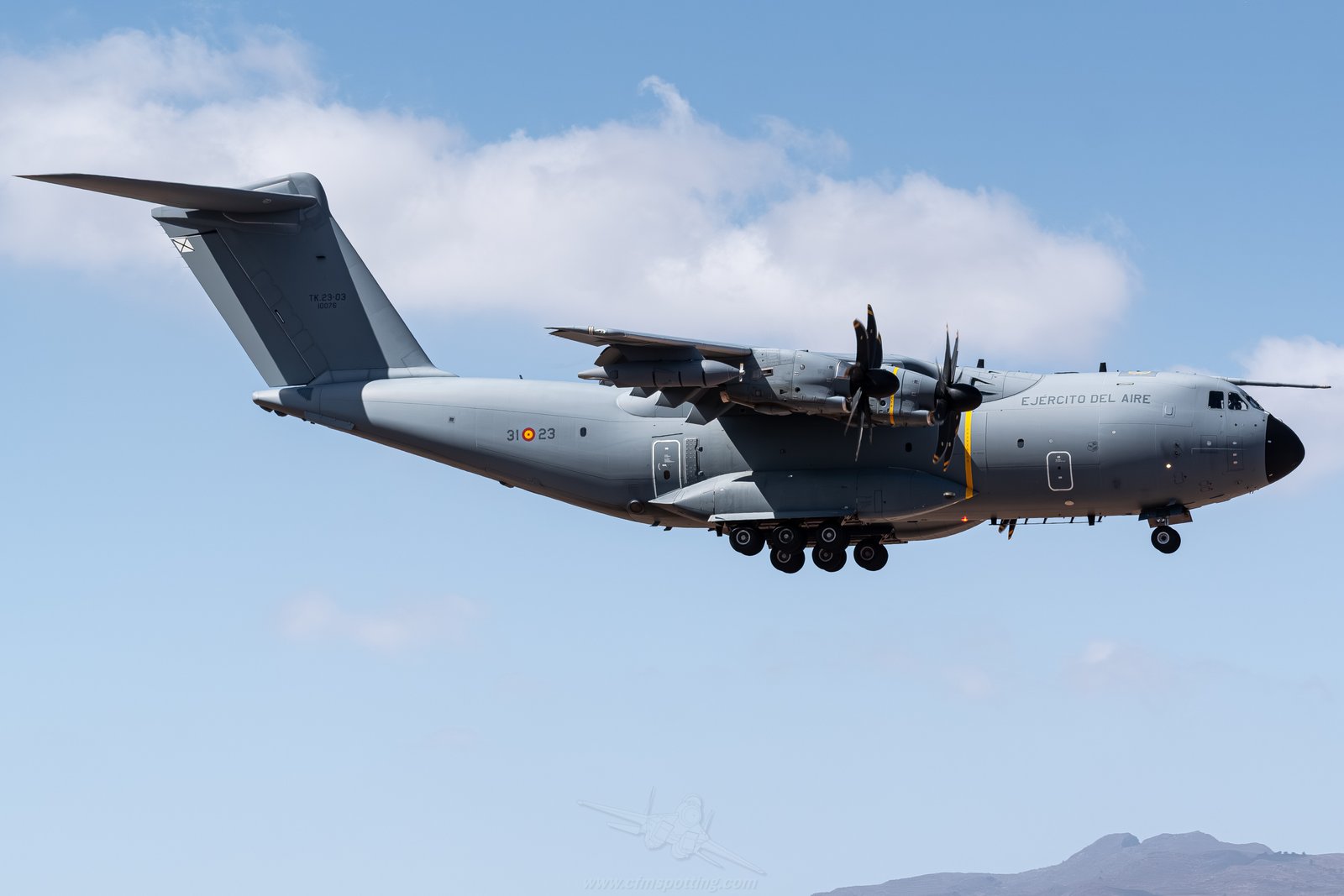
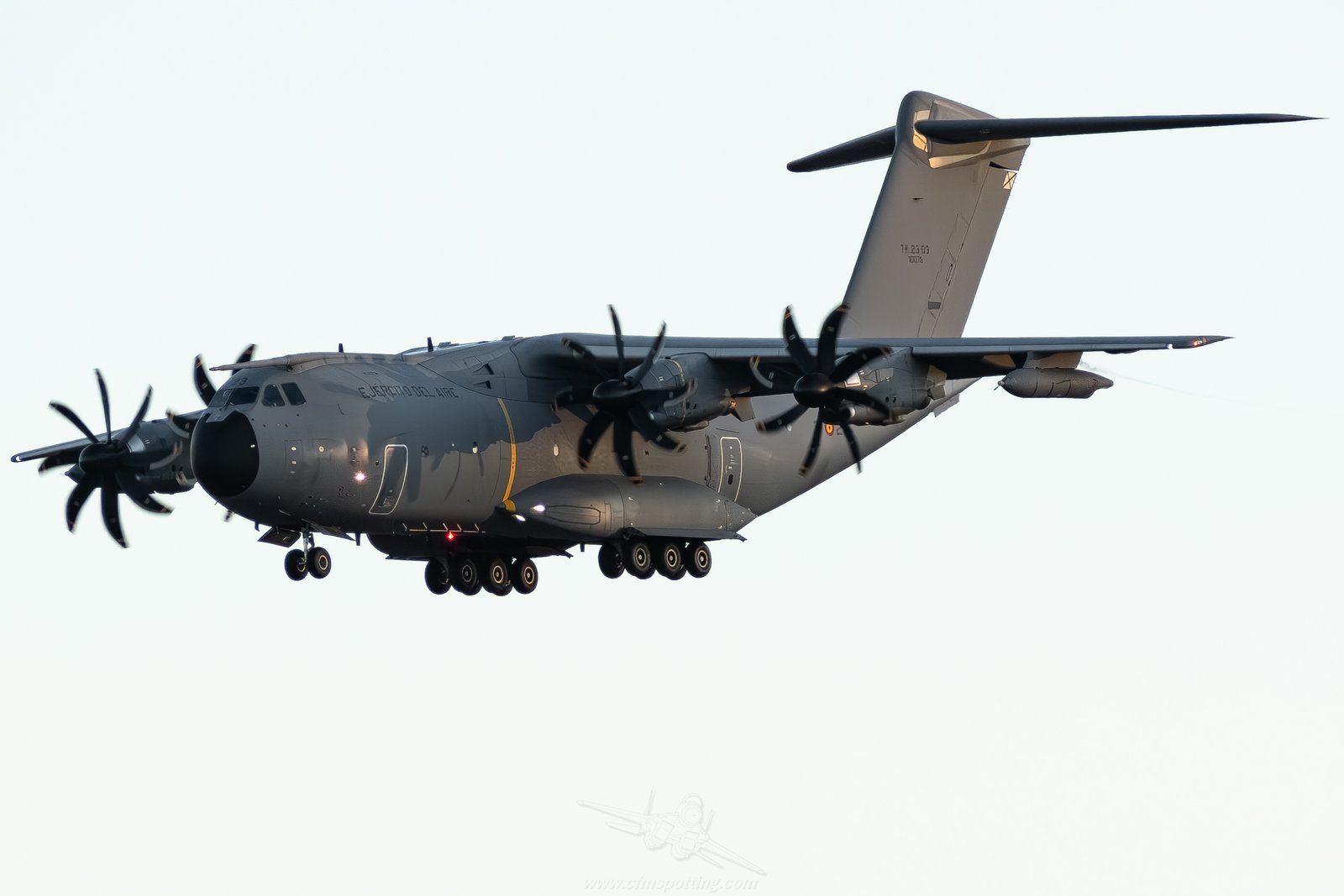
Supporting the Ocean Sky exercise, a wide range of air-to-air refuelling assets, including MMF and French A330 MRTTs, Italian KC-767s, and Spanish A400Ms aircraft, operated under the separate EART exercise, enabling long-duration missions and realistic operational scenarios.
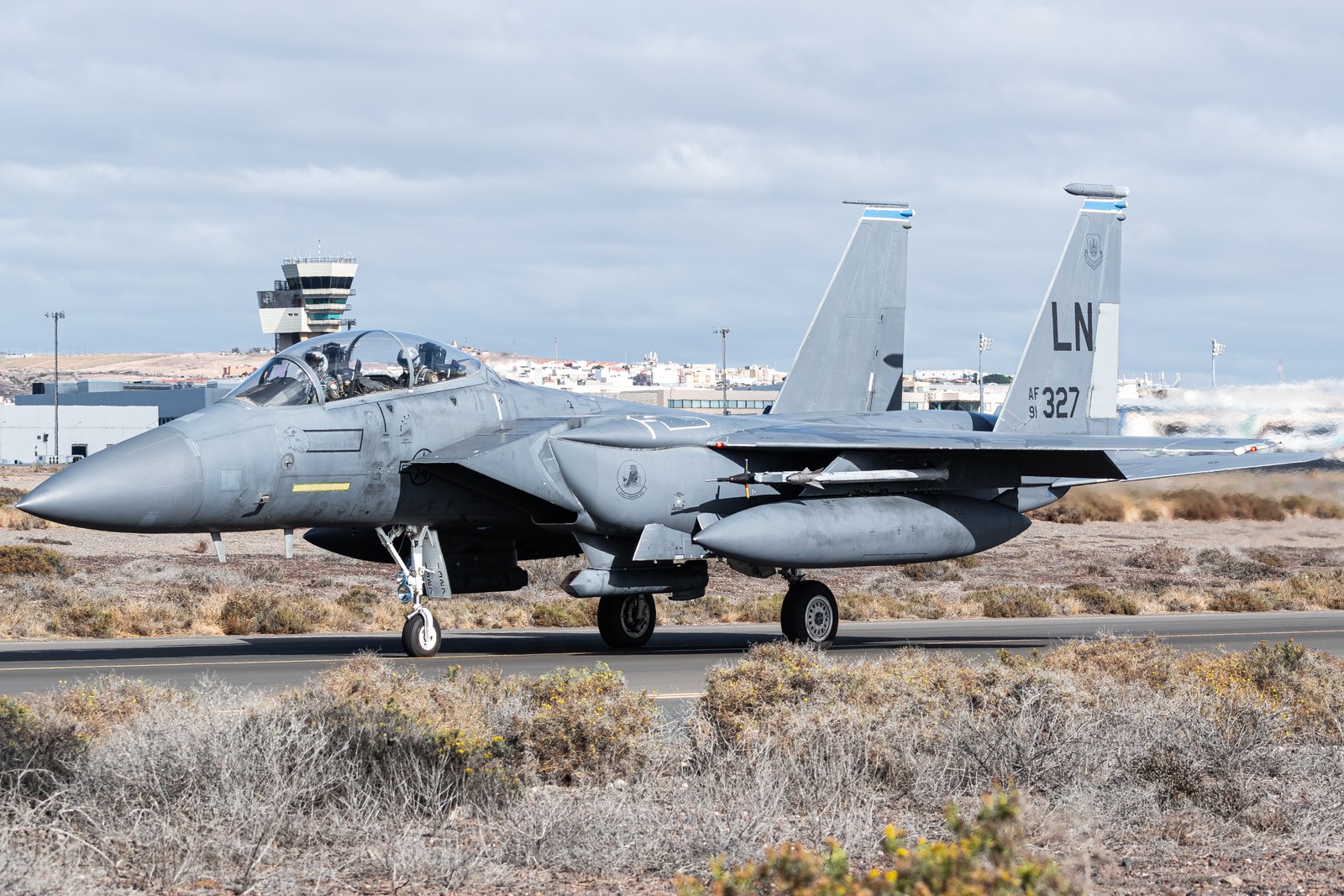
Among the many aircraft that took part in Ocean Sky 2025, one carried a particularly personal significance. During the exercise, we had the opportunity to photograph an F-15E, registered as 91-0327, one of the United States Air Force aircraft deployed to Gando.
At the time, it was just another moment captured during a busy and intense week of operations, one aircraft among many, launching and recovering as part of the daily rhythm of the exercise.
However, that image would later take on a completely different meaning. On march 1st 2026, this particular aircraft was lost in Kuwait in a friendly fire incident, turning what was once a routine photograph into something far more significant.
Thankfully, both the pilot and WSO ejected safely and only sustained minor injuries.
Moments like these serve as a reminder that behind every aircraft lies a story, and that even in training or controlled environments, aviation always carries an inherent level of risk. What remains are the images, the memories, and the connection to a moment, that became far more meaningful.
Su-30MKI Flanker - The Backbone of the Indian Air Force
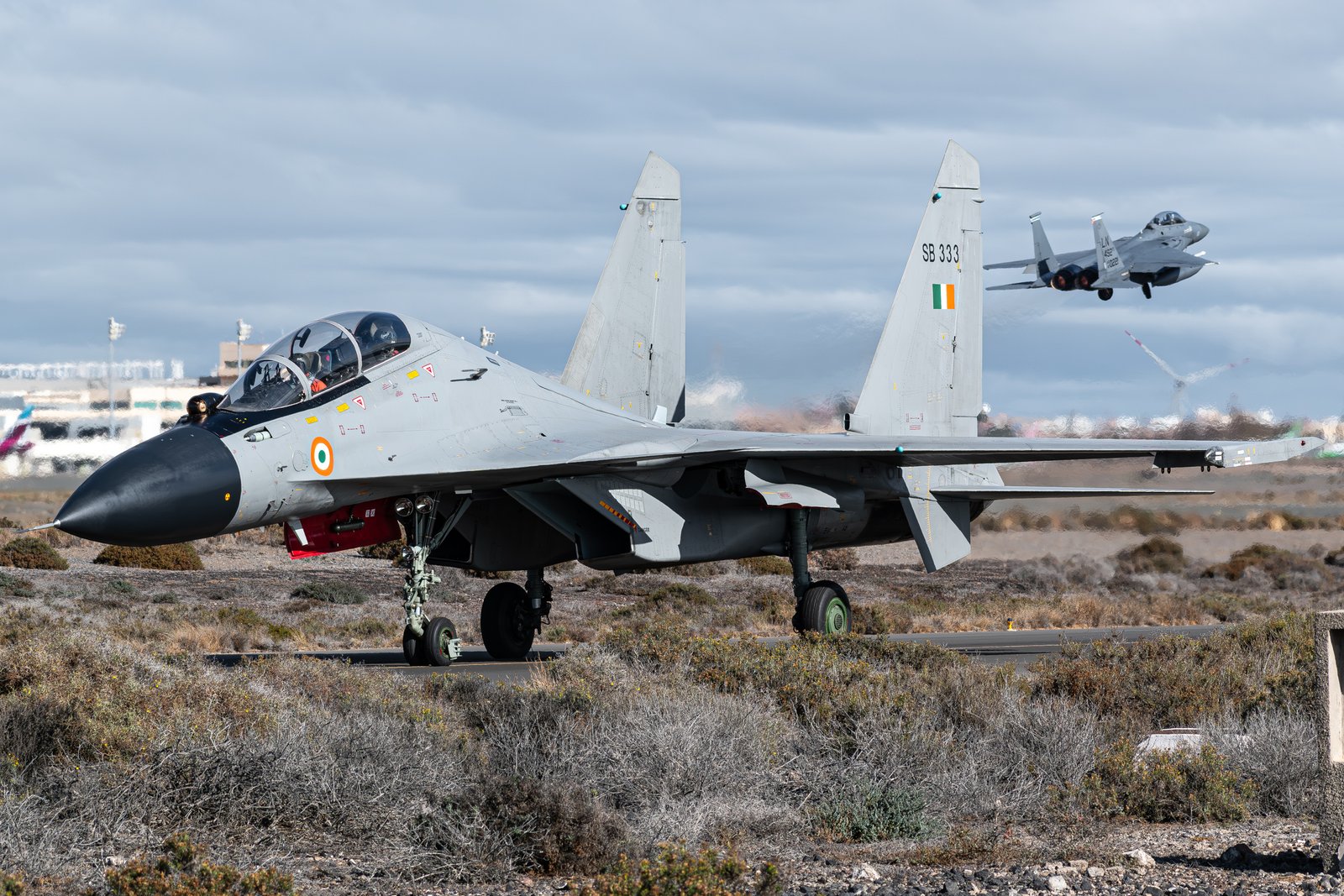
Few aircraft draw attention quite like the Su-30. Its presence in Ocean Sky 2025 was not only visually impressive but also strategically significant, marking a rare deployment of Indian Air Force assets into European airspace. If you haven’t already, we recommend you to check out our Iniochos 2025 Article, to see more action of this indigenous jet in European airspace.
The Su-30MKI is part of the legendary Flanker family, originally developed by the Soviet Union (alongside the Sukhoi Su-27) during the Cold War as a response to the American F-15. Over time, India transformed the platform into something uniquely its own. The “MKI” variant incorporates Russian engineering, French avionics, Israeli systems, and Indian integration, making it one of the most hybrid fighters ever built.
In Indian service, the aircraft forms the backbone of the fighter fleet. It is not just an interceptor, but a long-range, multi-role powerhouse, capable of projecting air power deep into contested territory.
What truly sets it apart is its supermaneuverability, enabled by its Saturn AL-31FP 3D thrust-vectoring engines. In close-range engagements, the Su-30 can perform maneuvers that defy conventional aerodynamics, giving it a decisive edge in dogfighting scenarios.
Its weapons reflect its versatility. For air combat, it can carry the agile R-73, MICA and ASRAAM missiles for short-range engagements, the R-27E/ET/R/ER for medium-range, and the RVV-AE (R77’s Export Variant) for BVR combat, alongside the indigenous Astra missile. For strike missions, it is capable of deploying precision-guided munitions, such as the KH-59 and KH-29, as well as heavy anti-ship weapons like the Indian-made BrahMos-A on specialized variants.
The F/A-18A - An Early Hornet Still in Active Use
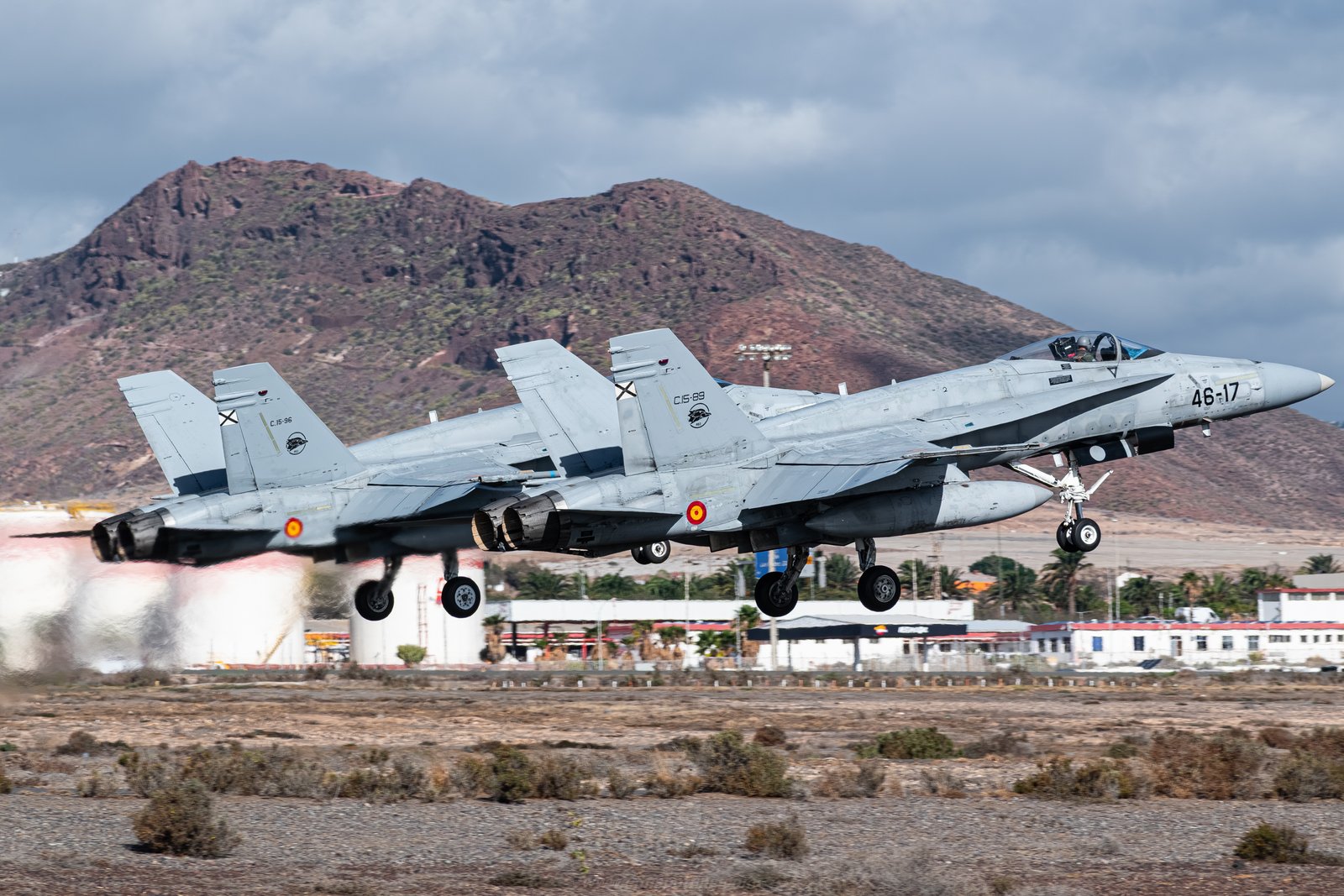
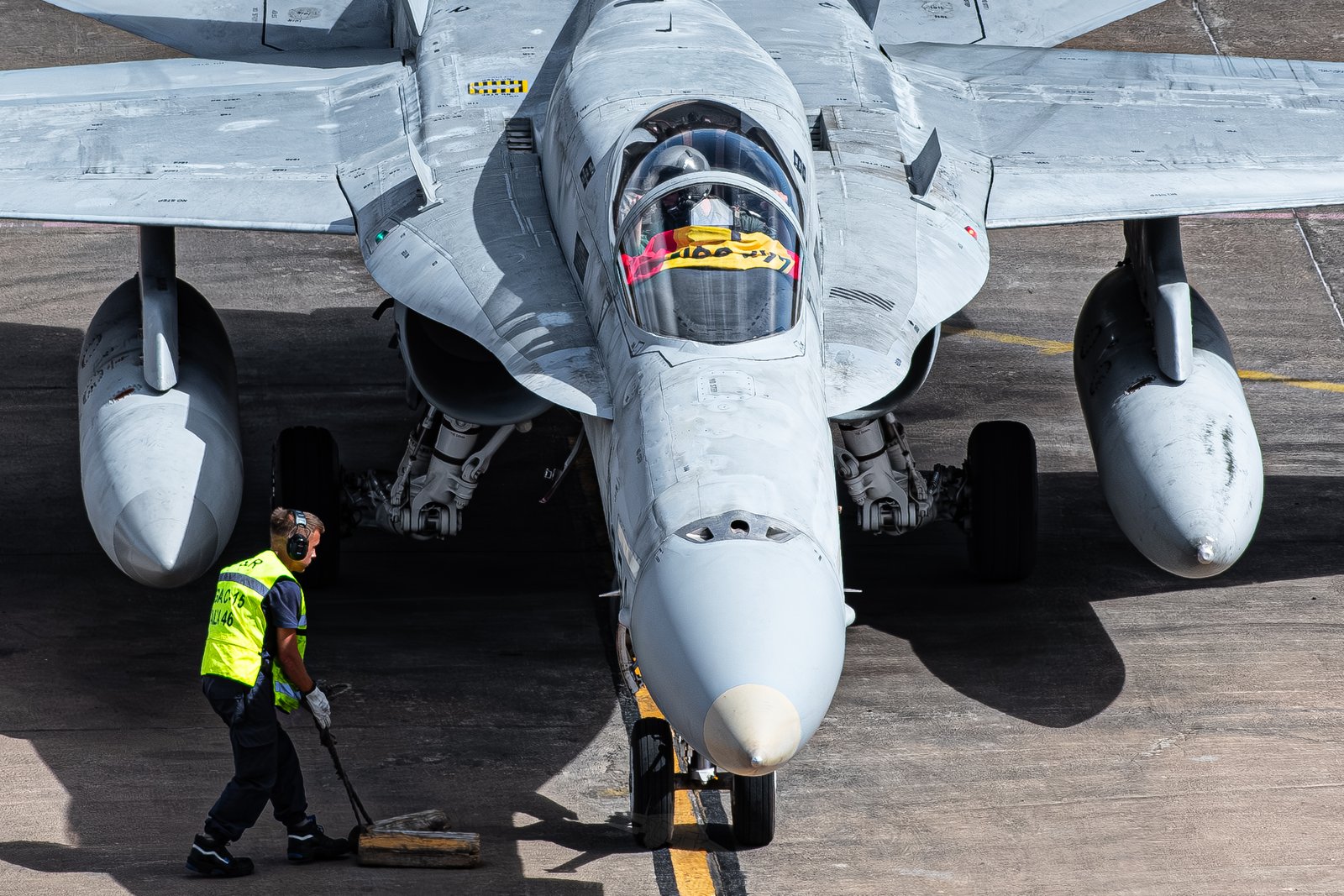
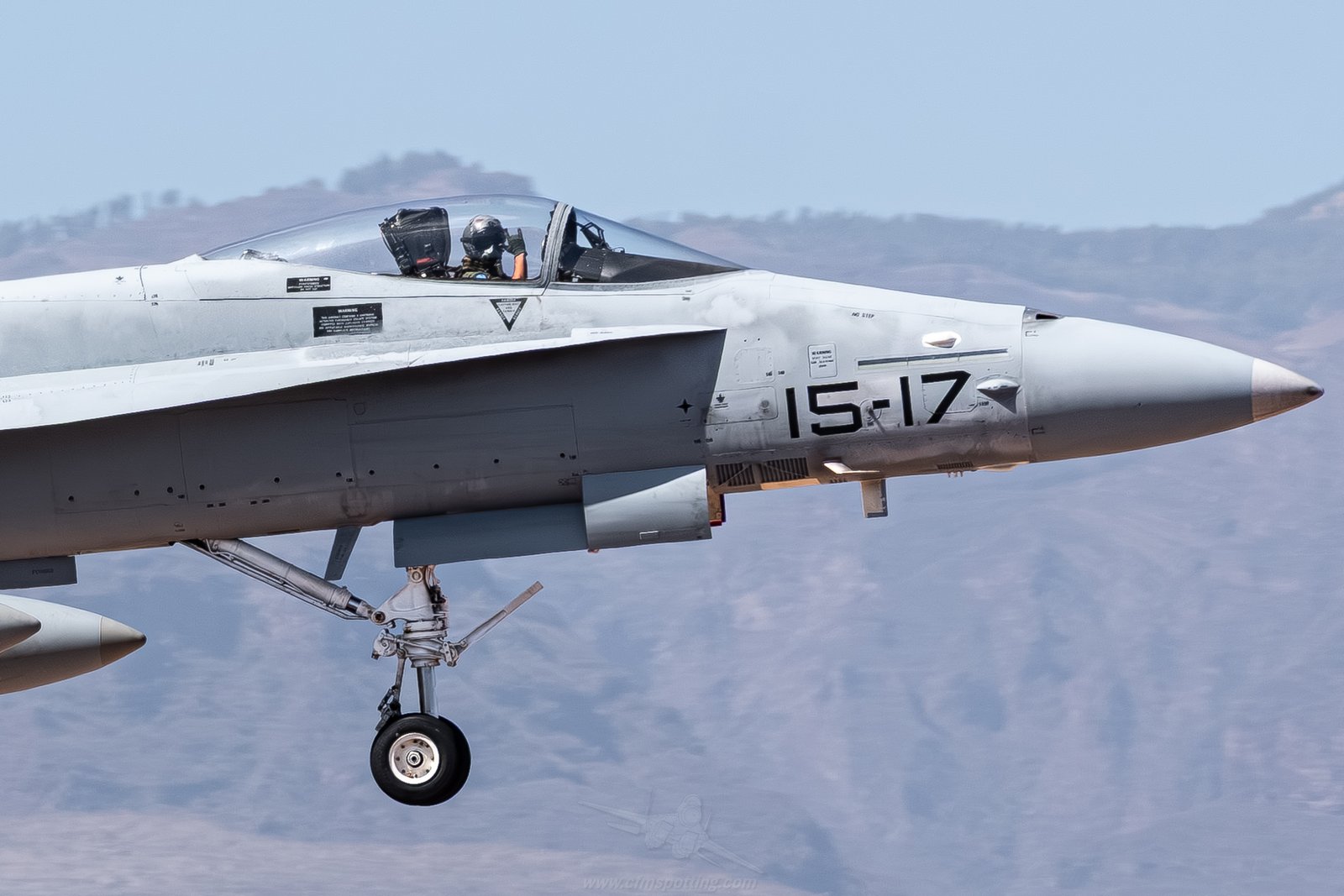
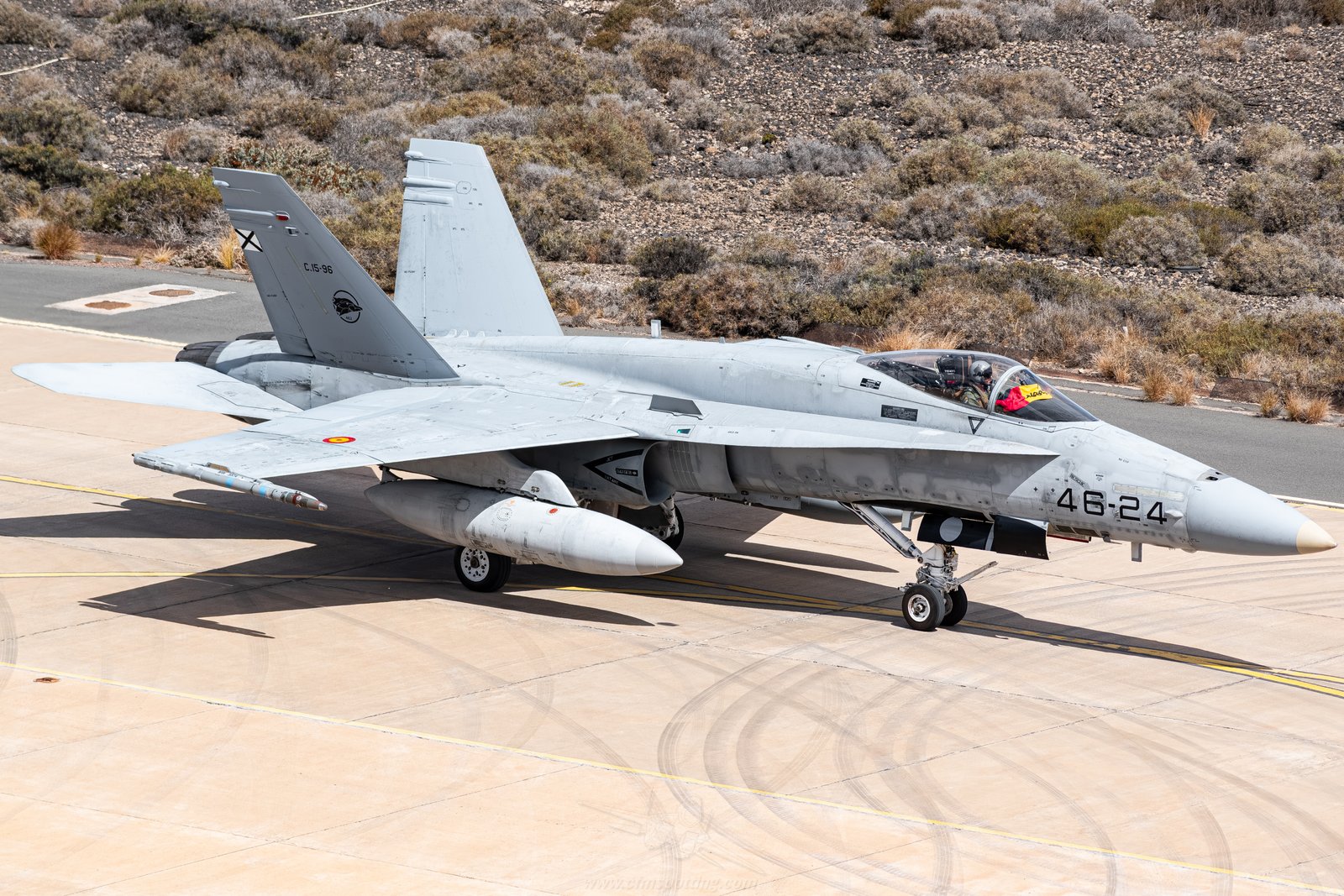
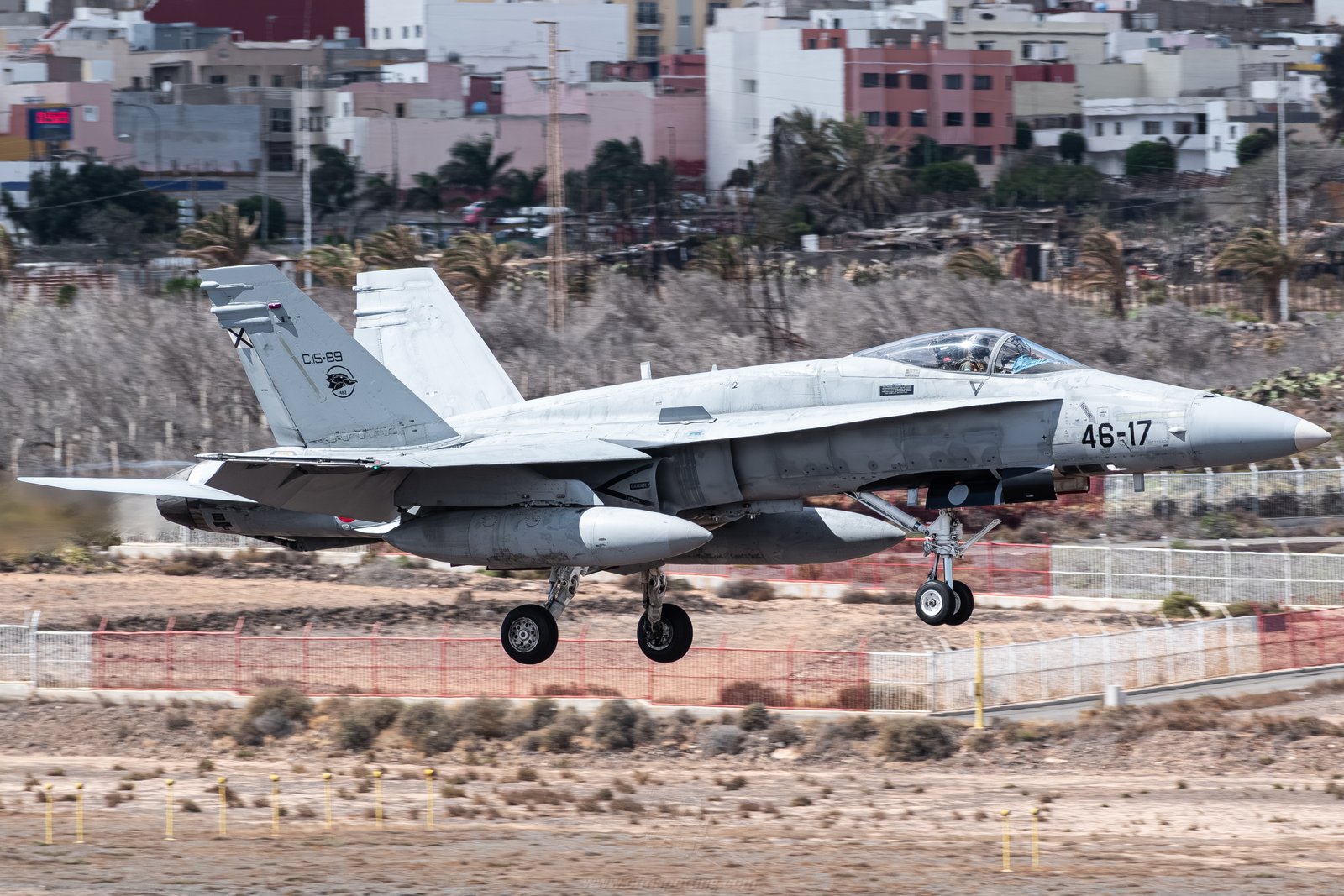
Among the many aircraft that took part in Ocean Sky 2025, the Spanish F/A-18A stands out as one of the most historically significant. Introduced into service during the 1980s, the Hornet became a cornerstone of Spain’s military aviation, offering a reliable and versatile platform capable of both A2A and A2G operations.
Originally designed for carrier operations, the F/A-18 was adapted by Spain for land-based use, where it quickly proved itself as a robust and flexible multirole fighter. Over the decades, Spanish Hornets have undergone continuous upgrades, allowing them to remain operationally relevant even as newer platforms entered service.
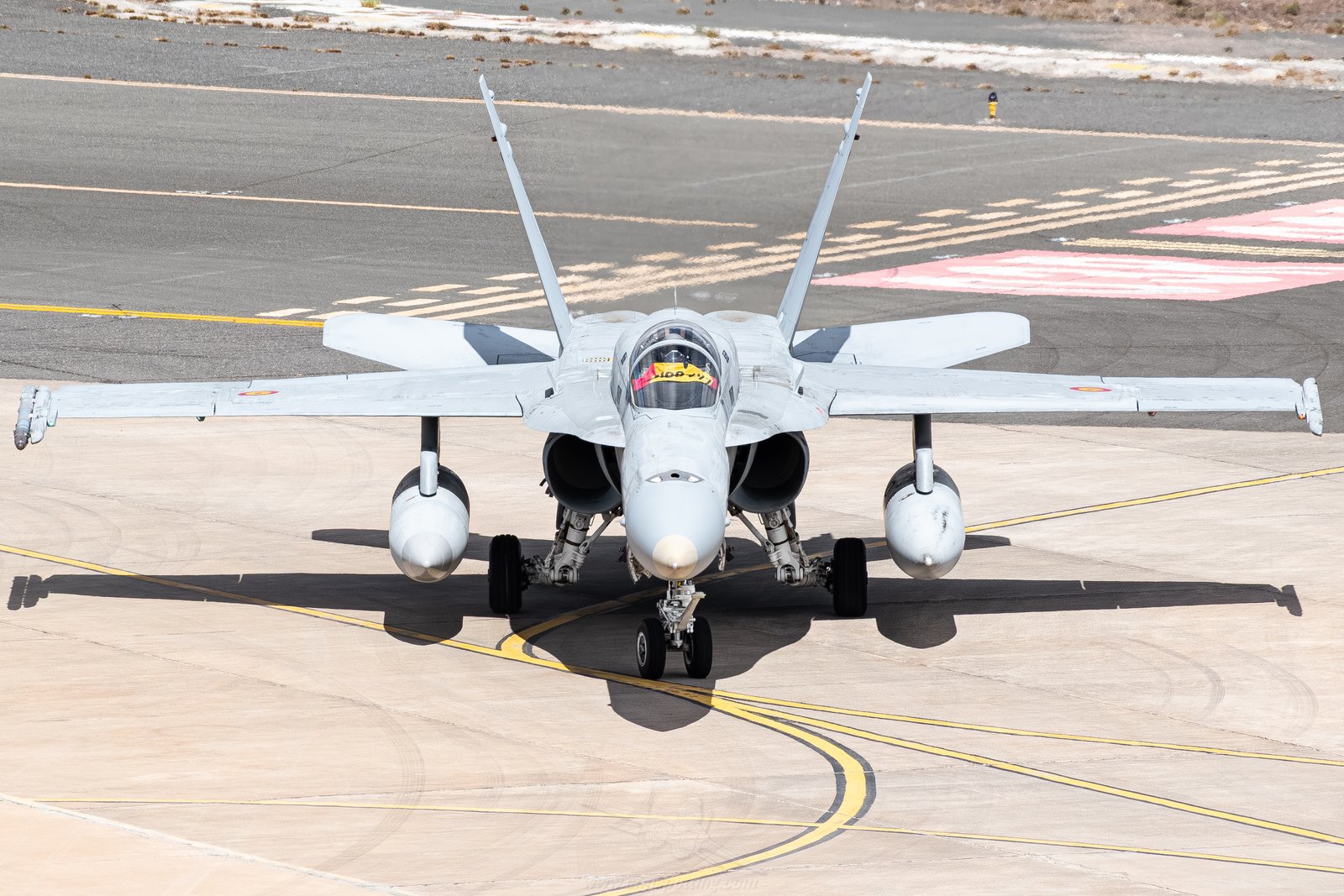
Despite its age, the F/A-18A continues to perform effectively in demanding environments such as Ocean Sky, operating alongside far more modern aircraft and still contributing meaningfully to complex mission sets. Its endurance is a testament not only to the strength of its original design, but also to the expertise of the crews who continue to fly and maintain it.
However, the type is now entering the final phase of its operational life. The Spanish Air and Space Force is progressively accelerating the retirement of the F/A-18A fleet, marking the gradual end of decades of continuous service. As part of this transition, Ala 46, based in Gando, is expected to begin receiving Eurofighter Typhoons from 2026.
This shift represents more than just a fleet replacement, it signals the closing of a chapter. For decades, the F/A-18A has been a constant presence over mainland Spain and the Canary Islands, and its participation in exercises like Ocean Sky now carries an added sense of significance, bridging the gap between past and future generations of air combat.
Wrap-Up
Ocean Sky 2025 was far more than a routine military exercise, it was a clear reflection of how modern air warfare is evolving. In a single airspace, a wide range of aircraft came together, demonstrating not only technological capability, but also the growing importance of international cooperation.
From the raw power and supermaneuverability of the Indian Su-30MKI, to the versatility of the F-16, the high-performance dominance of the Eurofighter, and the strike capability of the F-15E, every platform contributed to a complex and dynamic operational picture. Alongside them, aircraft like the Spanish F/A-18A served as a reminder of the enduring relevance of well designed platforms, even as they approach the end of their service life.
A huge Thank You, goes out to the Spanish Air Force and Ala46’s OFICOM for organising wonderful photo opportunities during the Spotter Day.
Gallery
To fully document this experience, a dedicated gallery of over 90 high quality images has been created, showcasing the aircraft, the atmosphere, and the intensity of operations throughout the exercise. From close up details to dynamic in-flight action.
In the end, Ocean Sky is not just about training, it’s about connection. Between nations, between technologies, and between generations of aviation. And for those who witnessed it, whether in the cockpit or behind the lens, it remains an experience that goes far beyond the sky itself.
Muchas Gracias for taking the time to read our article!
Article by Christian Bossi – Pictures by Christian Bossi