

Borgosesia HEMS Base - Borgosesia, Italy
History
The Borgosesia air rescue service is one of the most important emergency medical services in the northeast of the Piedmont region, in northern Italy. Estabilished in the 1980s as part of the regional emergency healthcare plan, this service has gradually evolved its structure and technology to become an indispensable resource for the region and, in many cases, a point of reference even beyond regional borders, serving parts of the neighbouring Lombardy region.
The Piedmont air rescue service was officially estabilished on July 25th 1988, then the first operational bases were activated, including Borgosesia shortly after the opening of those in Turin and Novara. Over the years, the system has grown and modernized, transforming from a pioneering organization into a highly specialized healthcare facility.
The HEMS Base's Operations
The Borgosesia base operates within the regional system as one of four operational bases for air rescue in Piedmont, along with Turin, Cuneo-Levaldigi, and Alessandria. It is strategically positioned to cover vast mountainous and rural areas difficult to reach by land vehicles.
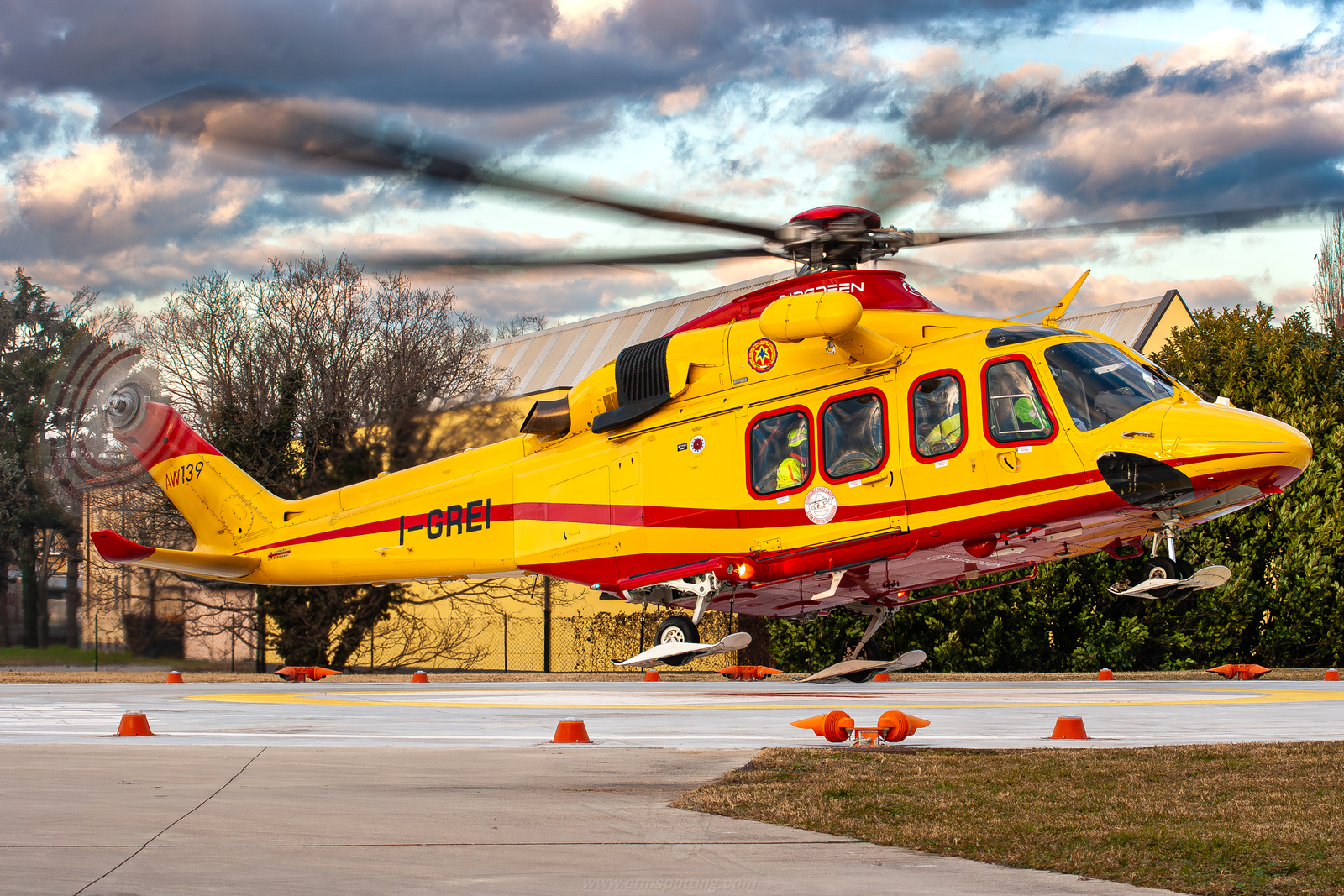
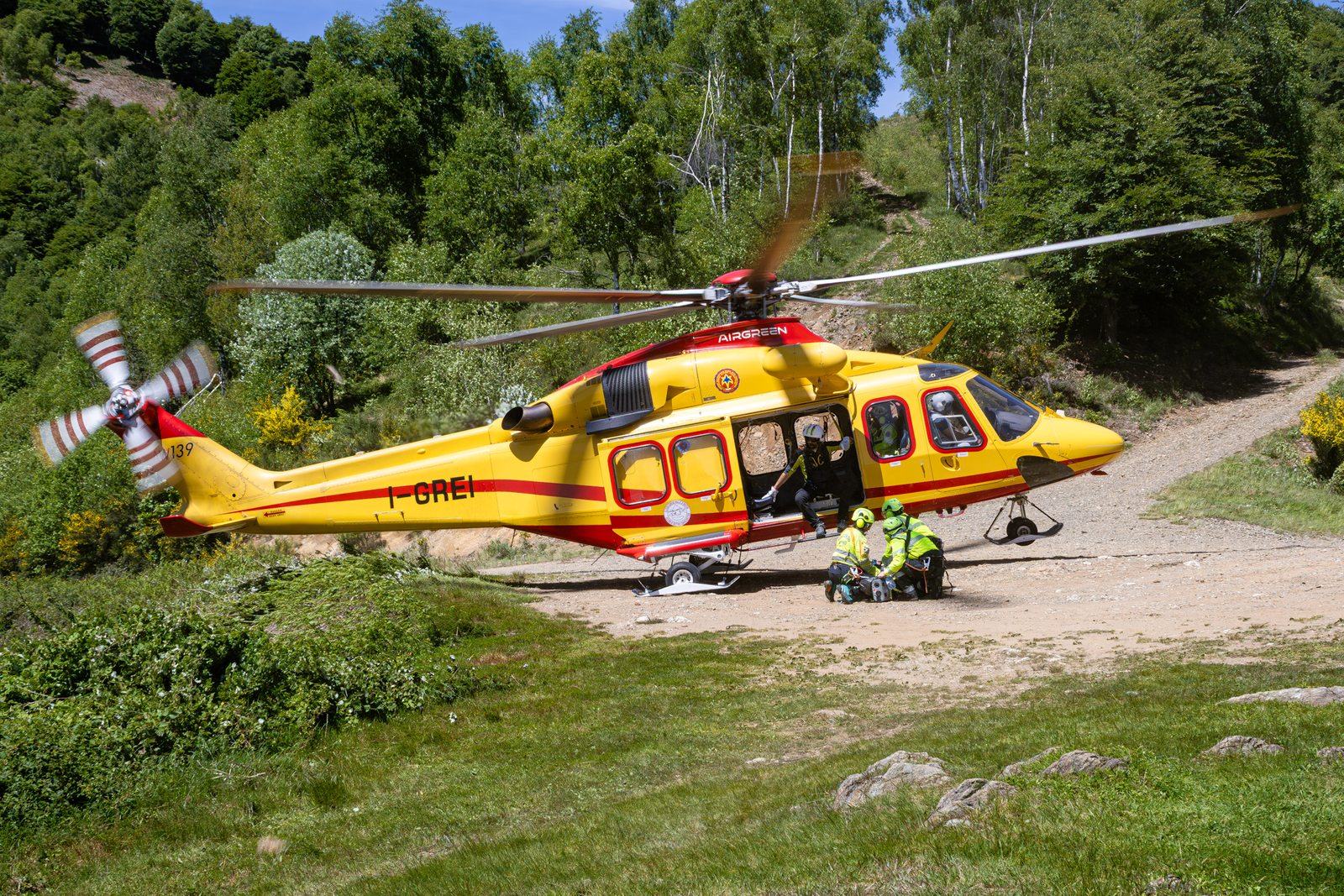
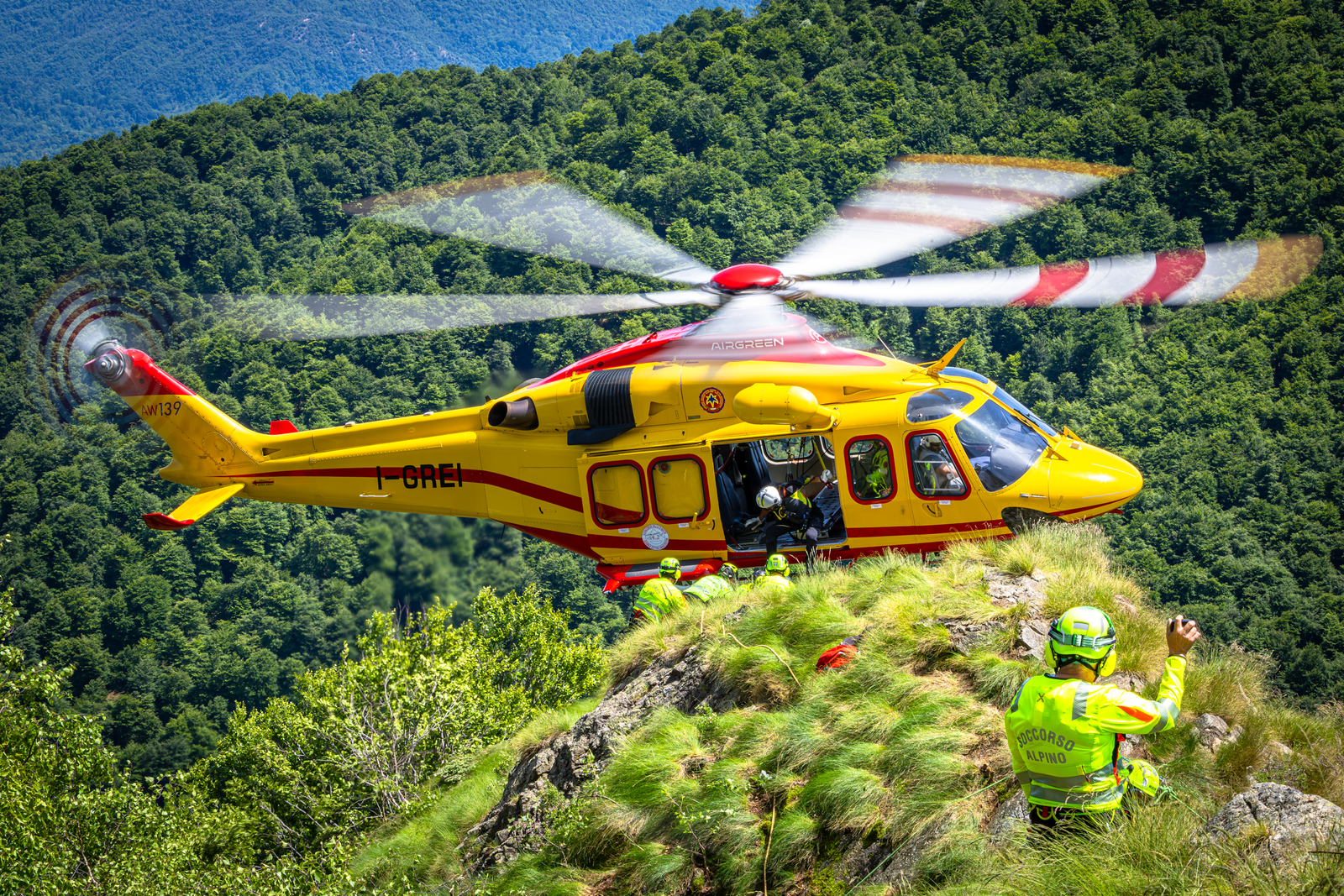
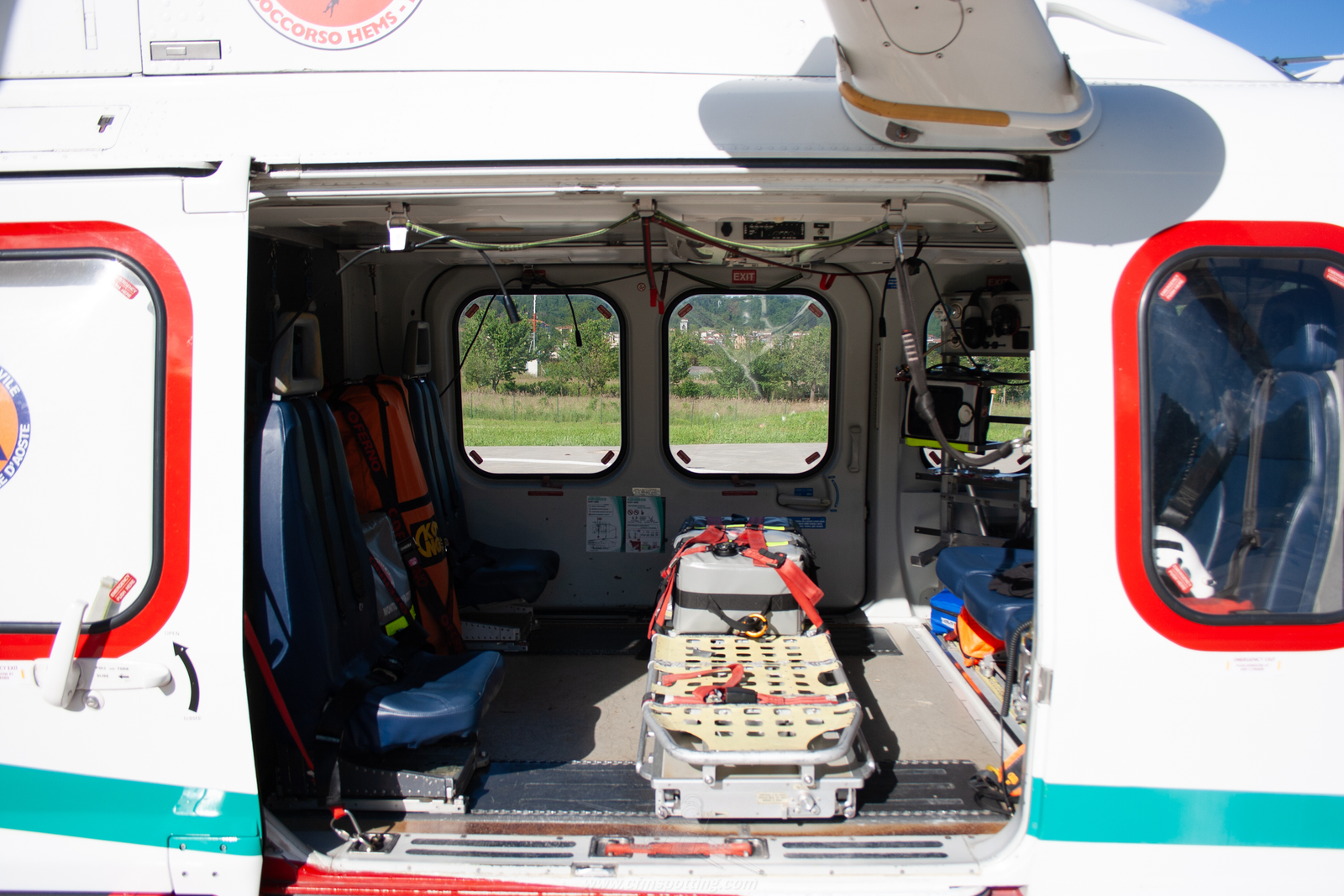
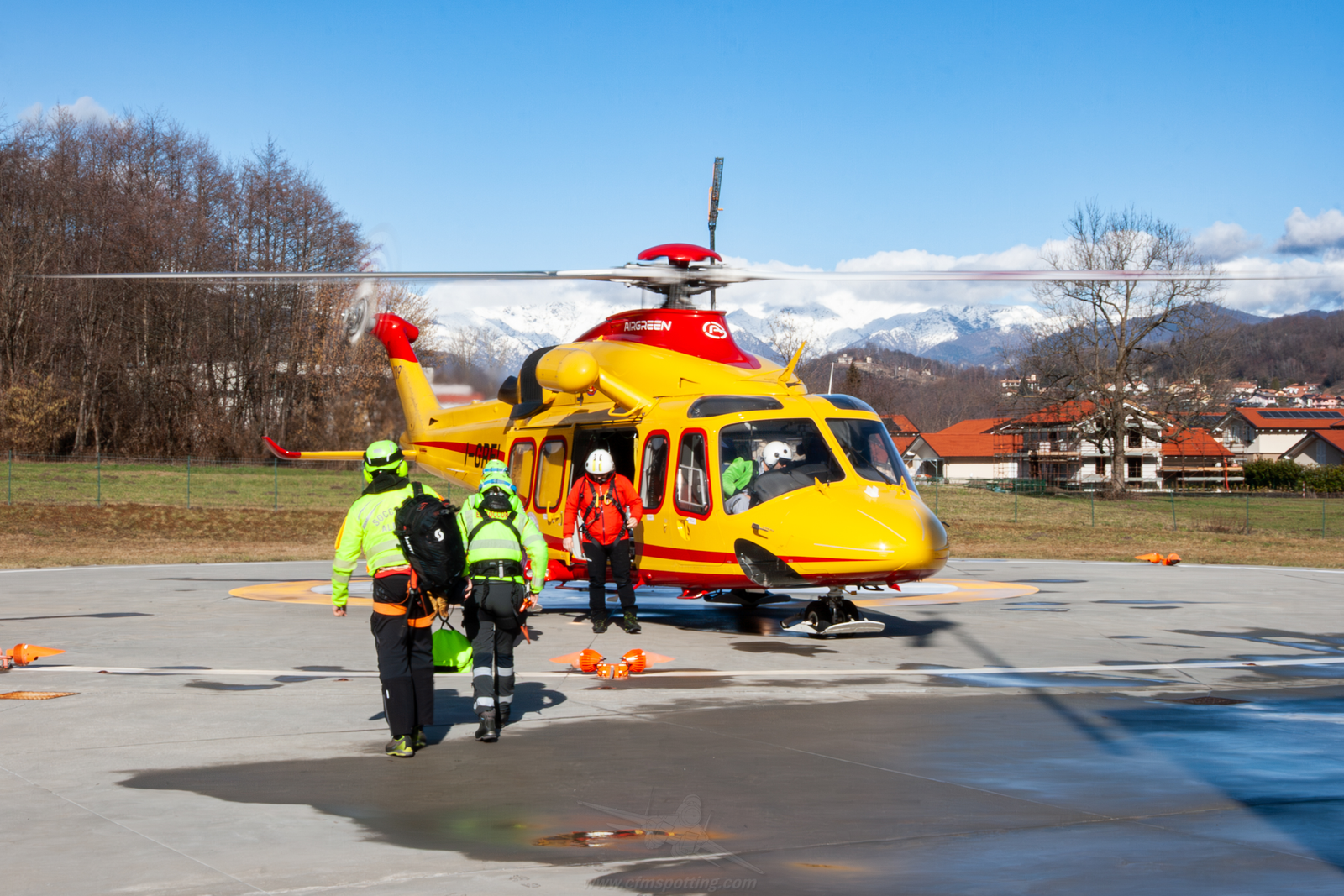
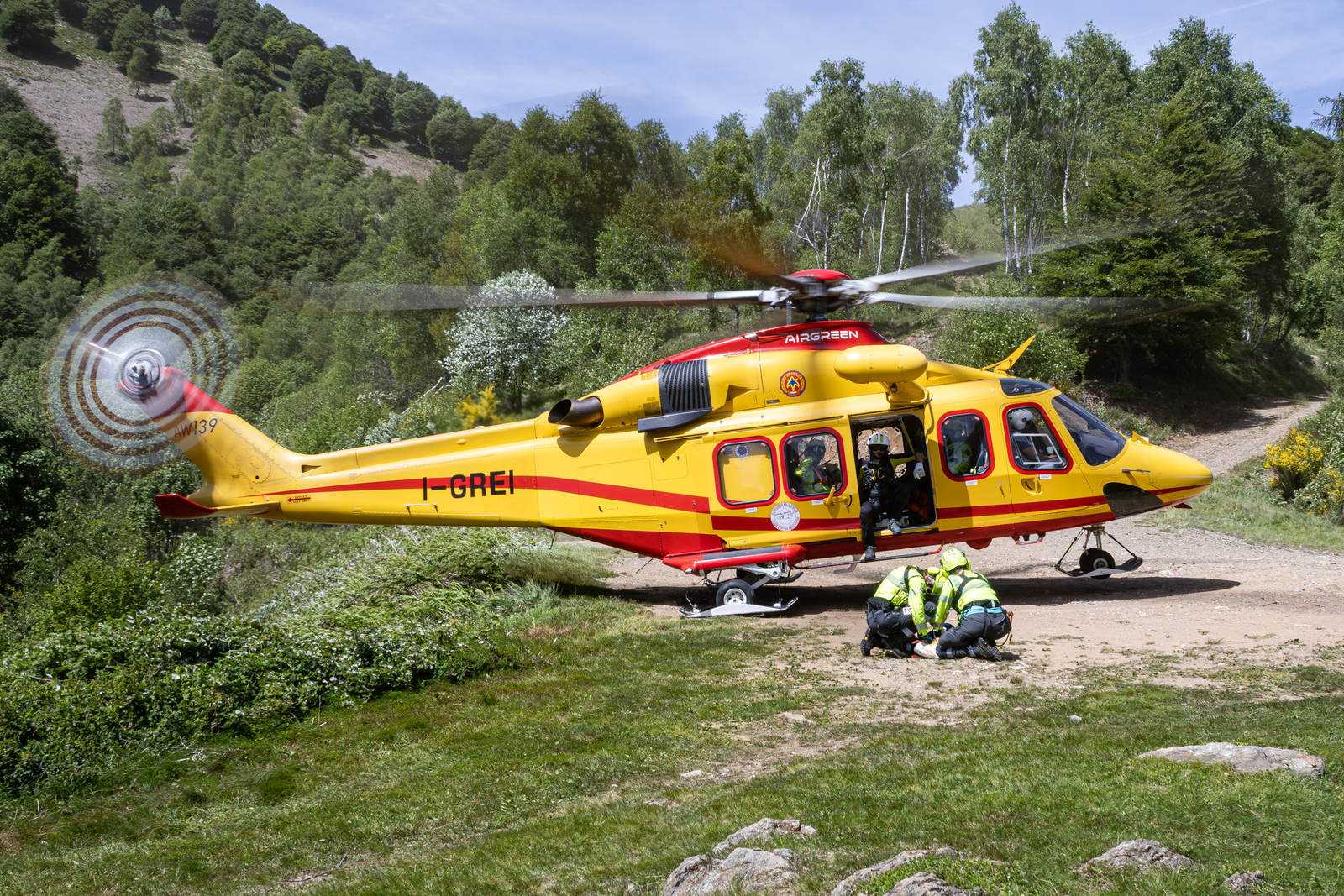
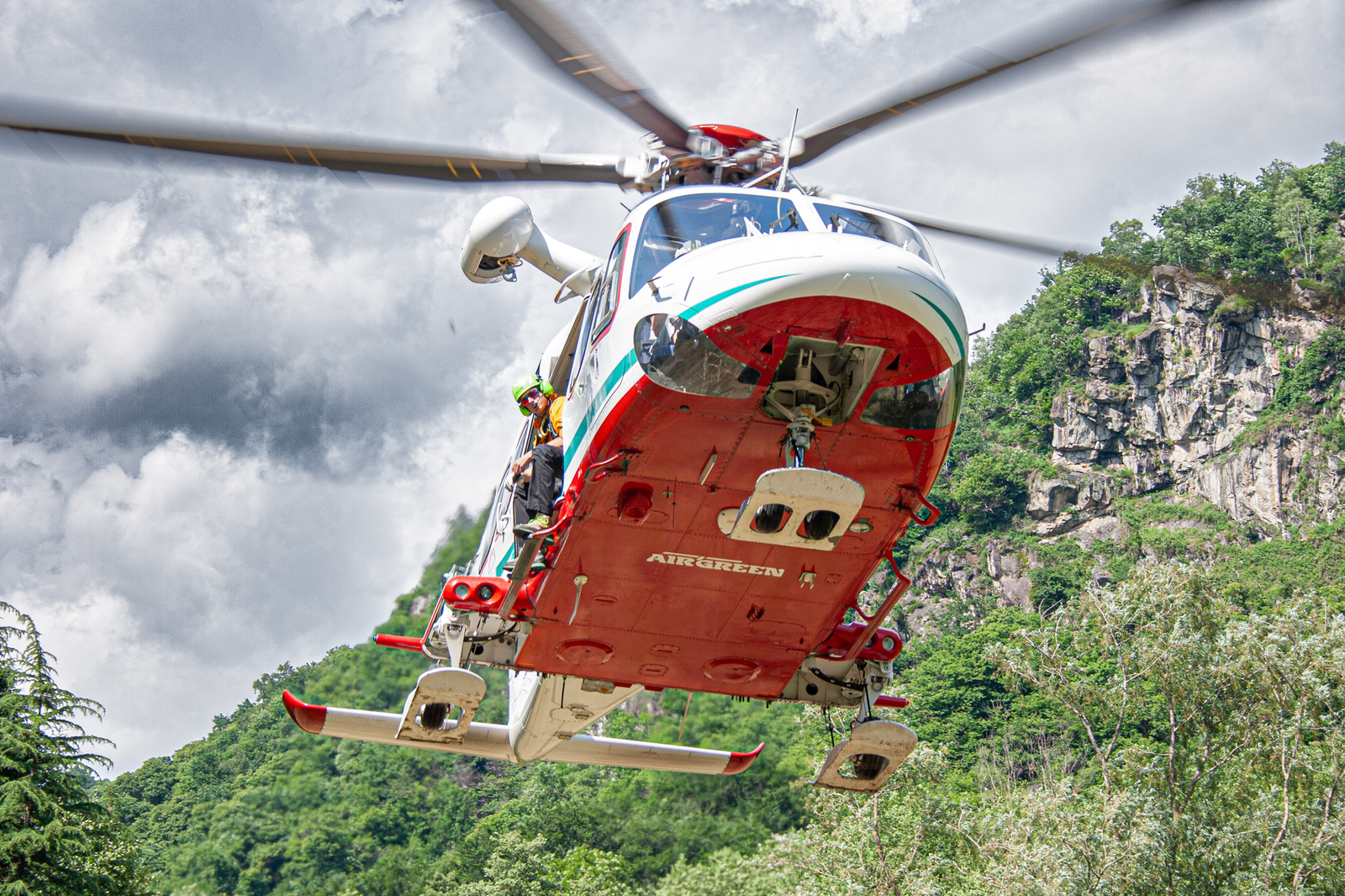
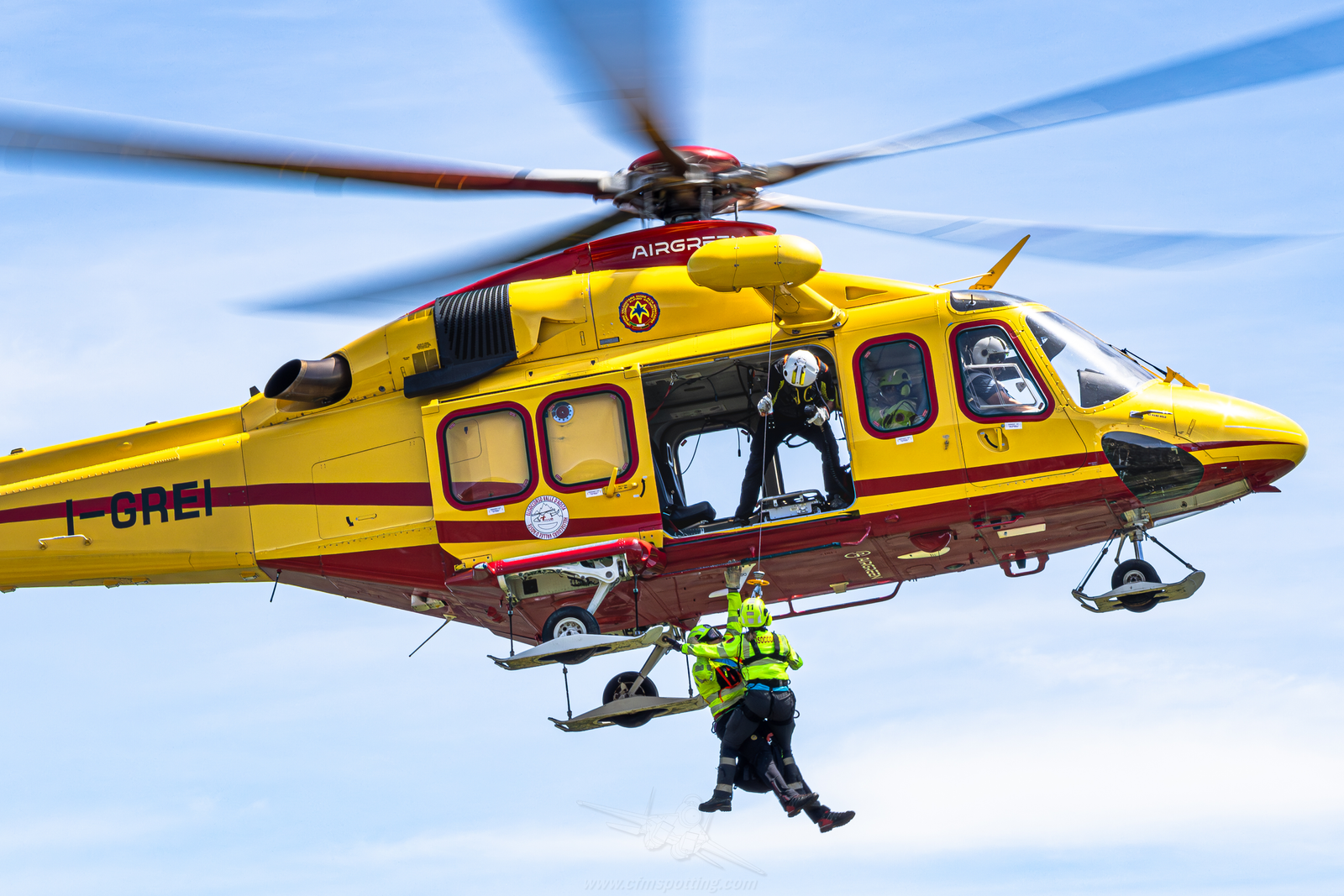
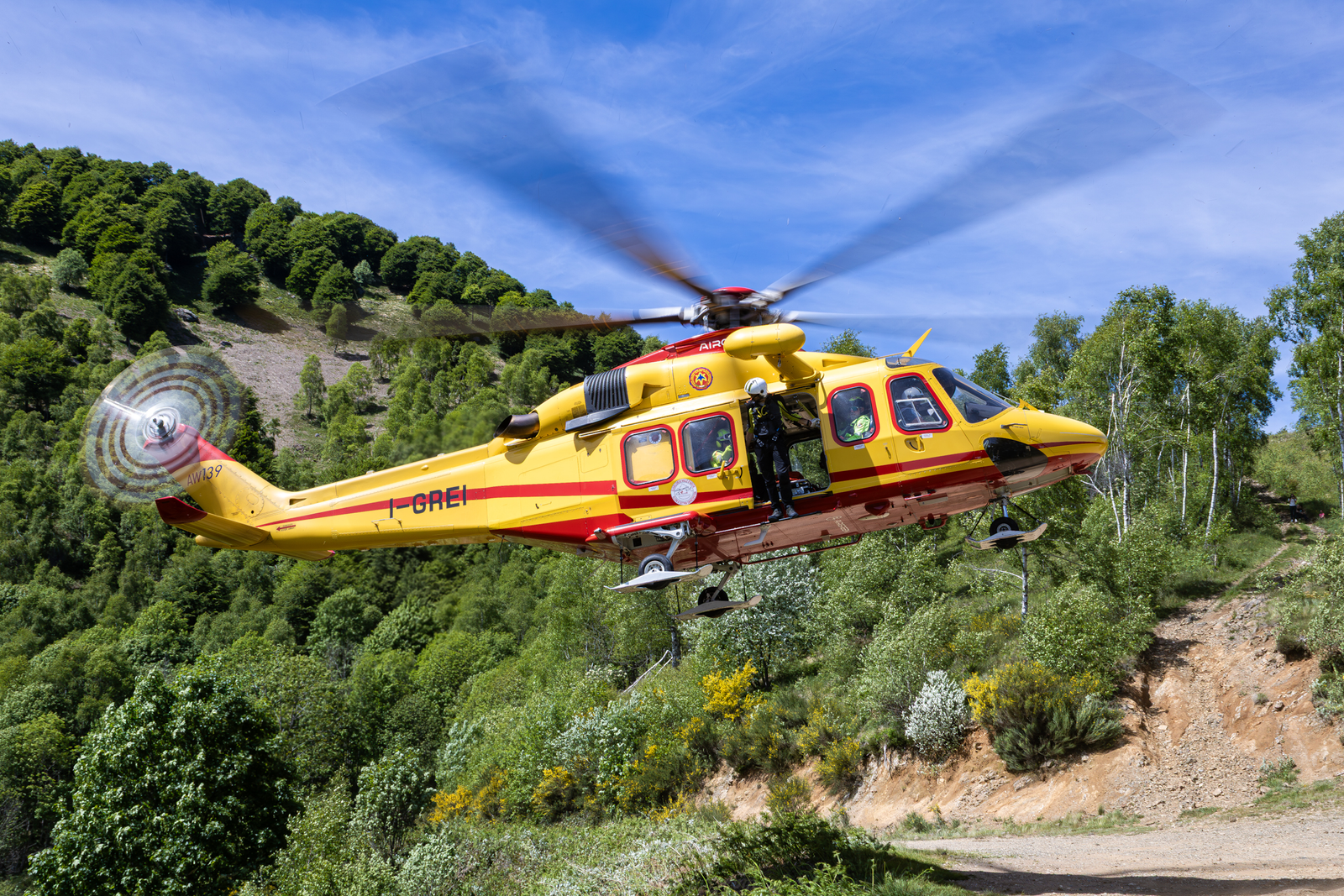
Located in “Piazzale Lora” close to Borgosesia’s hospital, the base provides daytime operations in collaboration with the Alpine Rescue Service and uses a Leonardo AW139 as its rescue helicopter, equipped with a winch for technical missions in challenging environments.
Thanks to its geographical location, the Borgosesia air rescue service is frequently called upon to intervene in a wide variety of scenarios: from road accidents and sport injuries, to the most critical medical emergencies. Past studies on the distribution of missions have shown that the Borgosesia base is among the busiest in the region, with a high percentage of service take-offs compared to other aircraft deployed in the area.
At the regional level, in 2024, the Piedmont helicopter rescue system carried out approximately 2,778 missions, with several hundred interventions in rugged and mountainous environments, some even outside the region, confirming the importance of these structures in ensuring timely responses to emergencies.
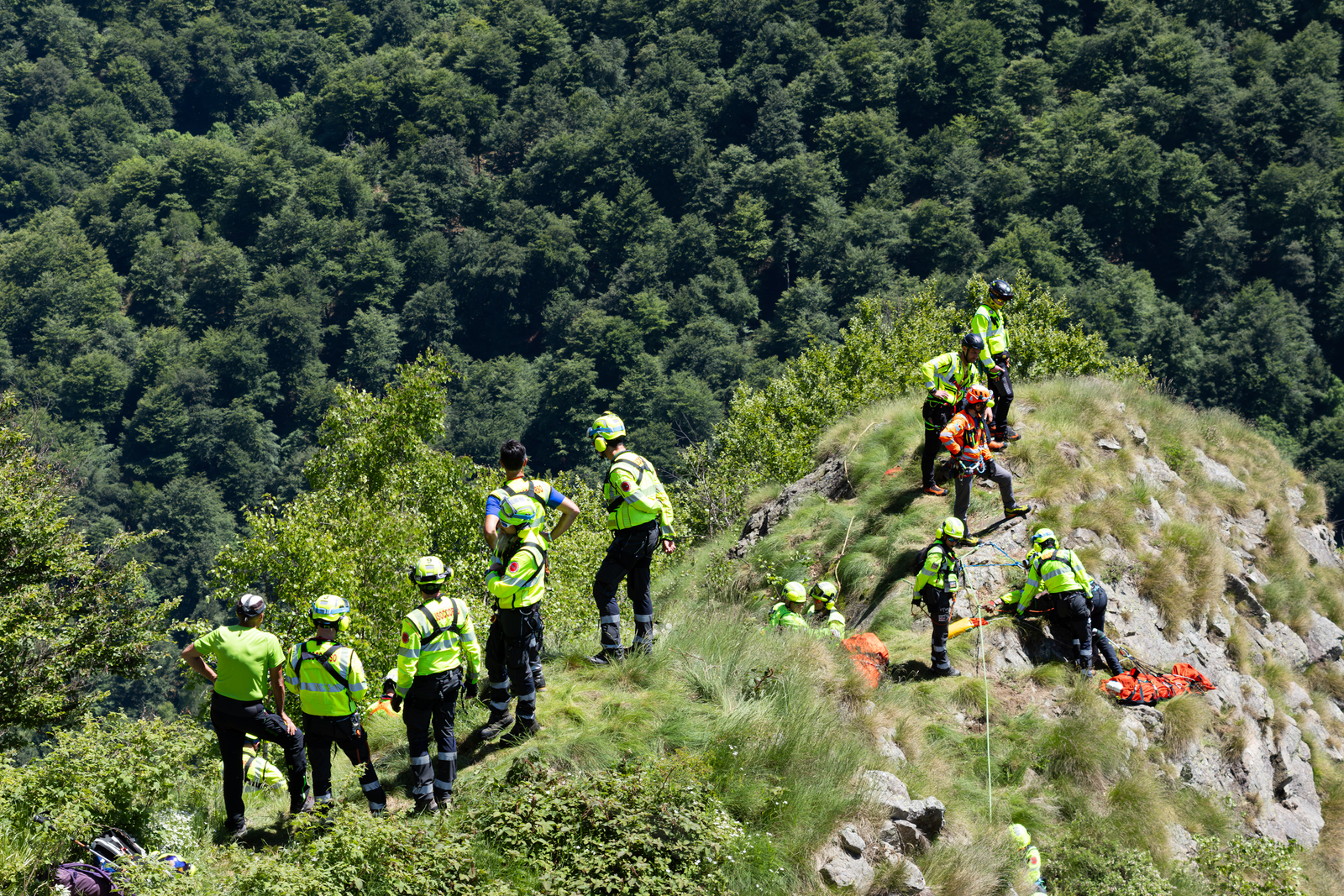
The value of helicopter rescue lies not only in the flying machines, but also in the quality of the crews: each mission features doctors, nurses, and alpine rescue technicians, accompanied by a pilot and a hoist technician; they are specially trained to operate in complex and high-risk conditions. During the winter months, a canine unit is also available to respond to avalanches.
The helicopters are equipped to provide medical assistance on-site, allowing critical patients to be treated before being transported to suitable hospitals, often dramatically shortening response times compared to ground vehicles.
Conclusion
The Borgosesia base is an example of how organization, technology, and human experties can integrate to provide an essential emergency service, capable of saving lives in difficult conditions. Its presence in the area represents not only an operational tool, but also a concrete symbol of the Piedmont healthcare system’s ability to protect health throughout the region.
Gallery
Article by Andrea Bellotti – Pictures by Andrea Bellotti and Diego Mor