

VVF S-64 Deployment in Biella – Biella Cerrione, Italy
Introduction
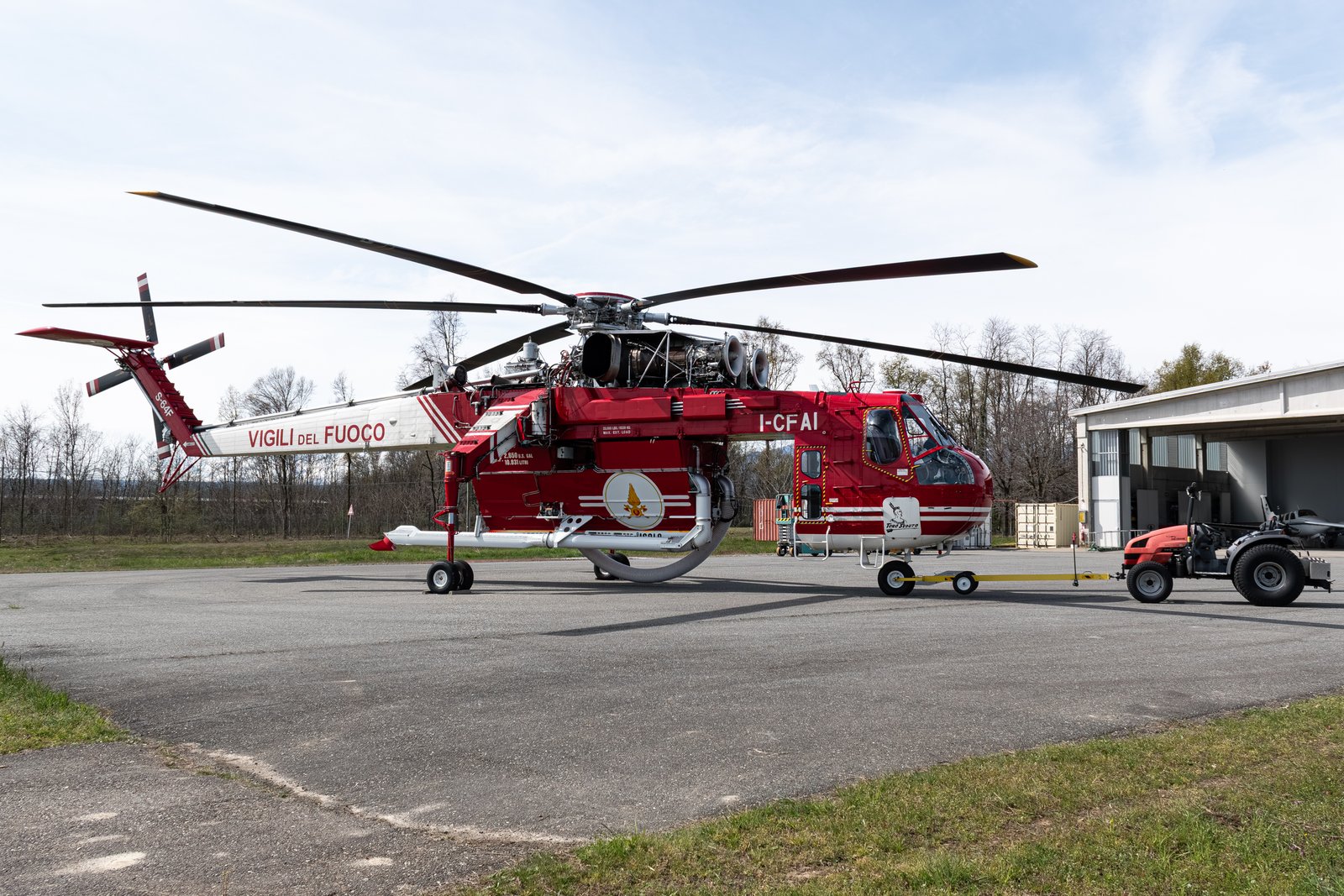
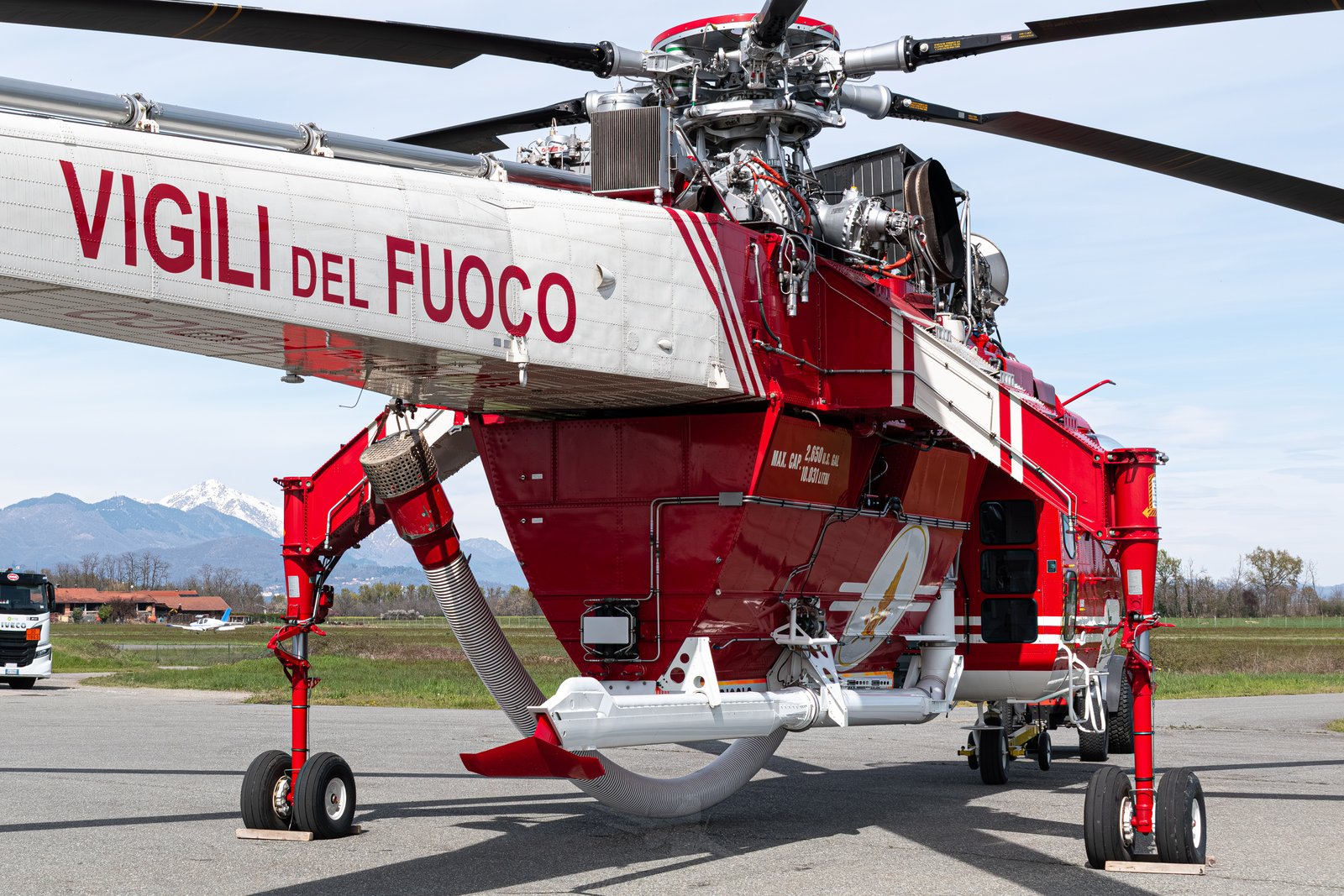
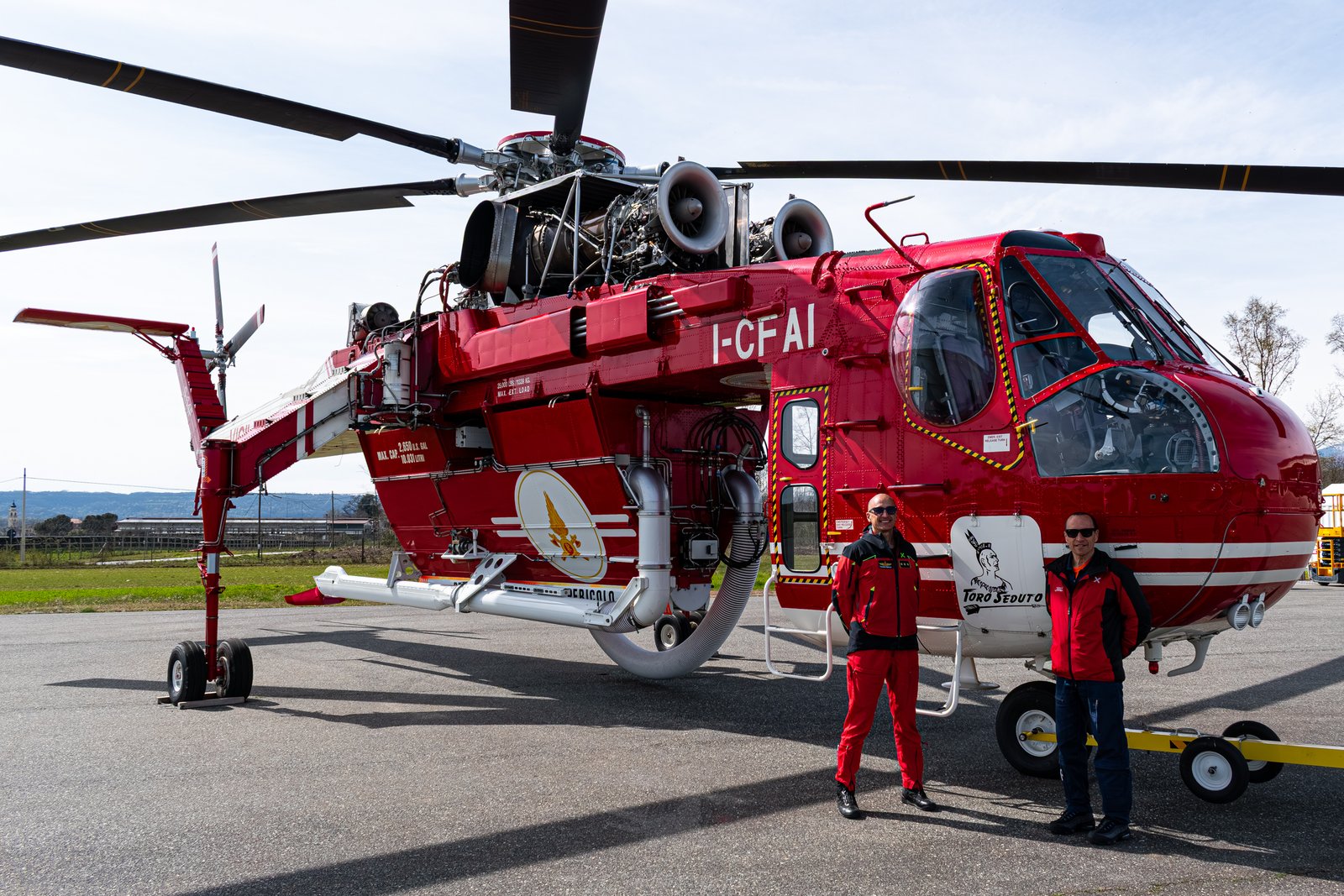
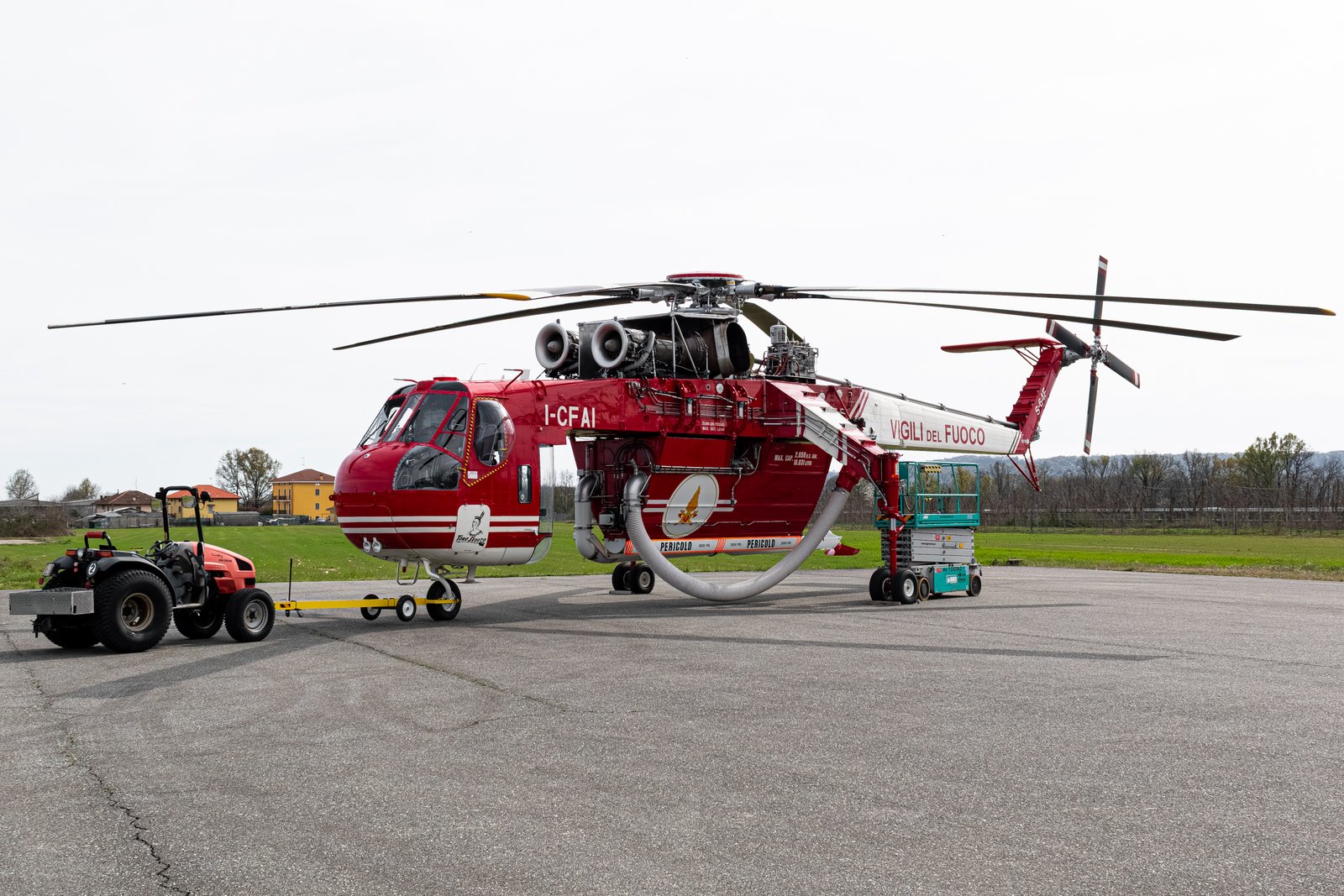
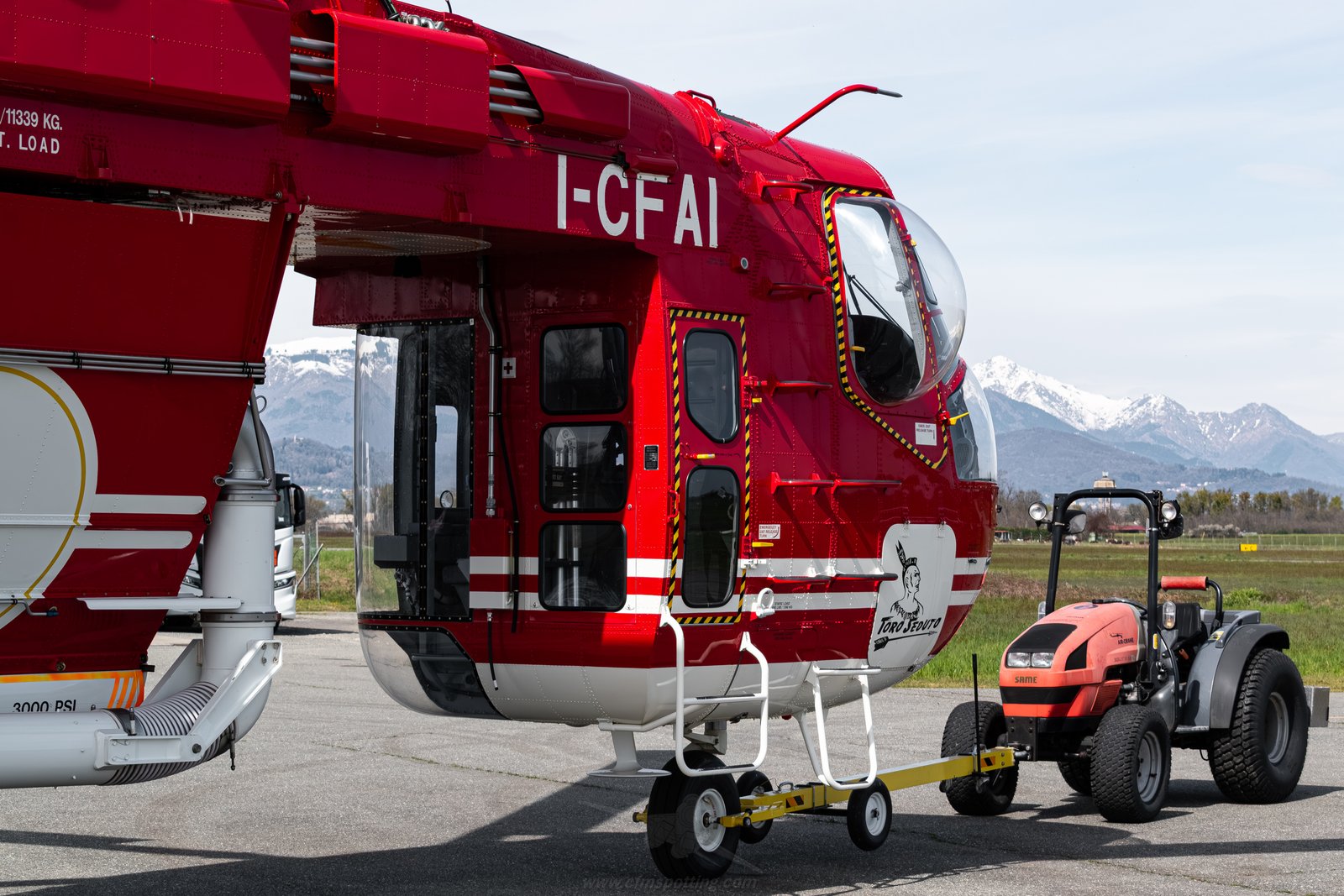
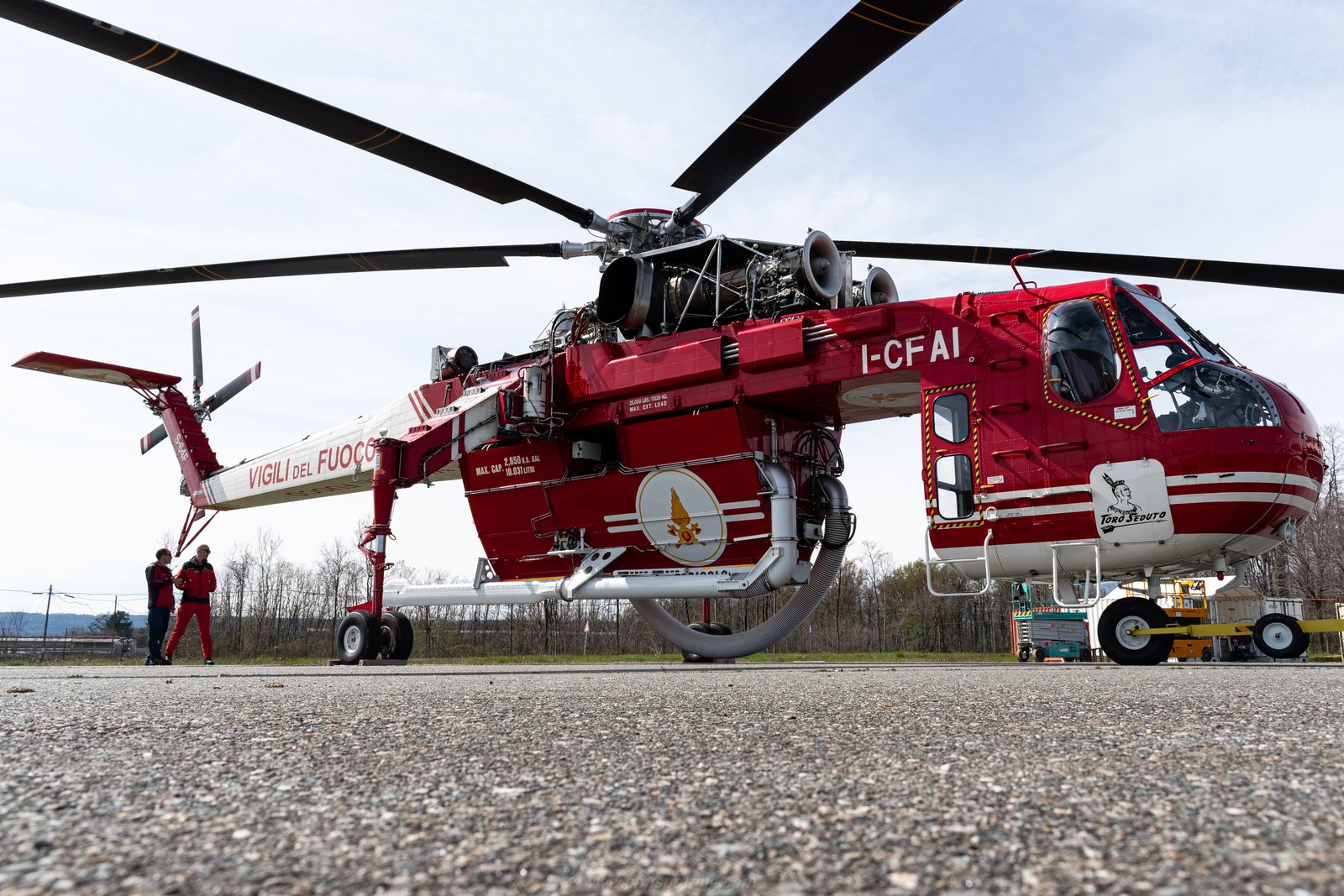
At first glance, the Sikorsky S-64 Skycrane looks almost unfinished. With its exposed structure, high-mounted cockpit and skeletal frame, looks quite different compared to conventional helicopters. Yet, standing on the apron at Biella Airport, it quickly becomes clear that this isn’t a machine designed for aesthetics, but for purpose.
Registered as I-CFAI, this helicopter represents one of the most capable aerial firefighting platforms currently operating in Italy. Deployed seasonally away from its main base at Rome Ciampino, the Skycrane operates in close cooperation with the “Vigili del Fuoco” and “Protezione Civile”.
During its time in north-western Italy, operations are centered around Biella, with frequent training flights over Viverone Lake. In recent weeks, I-CFAI has also been actively involved in firefighting missions across Val d’Aosta and Valsesia.
The Story Behind I-CFAI "Toro Seduto"
Beyond its operational role, I-CFAI carries with it a long and complex history that reflects the evolution of the Skycrane itself.
Built as construction number MSN 64067, the chopper originally served in the United States with the 208th Aviation Company of the Connecticut Army National Guard, based at Bradley Field. Like many Skycranes of its generation, it began its life in a military context before transitioning to civilian operations.
Following its military service, the helicopter entered the civil register as N7028U in 1993, before later becoming N197AC under Erickson Air-Crane in 1995. During this period, it was upgraded and reclassified as an S-64F, reflecting its conversion into a specialized heavy lift and firefighting platform.
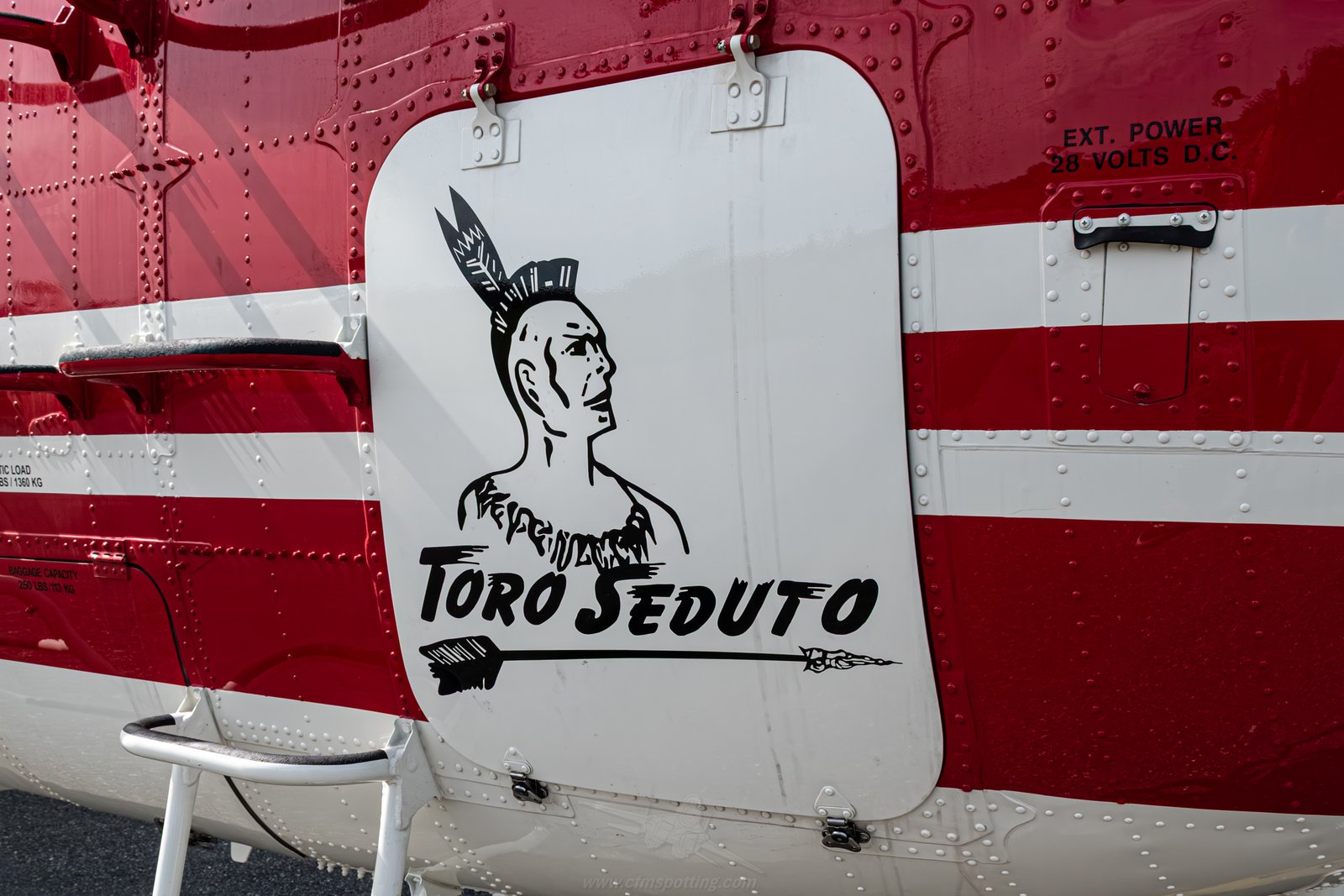
In 2006, the aircraft was exported to Italy and registered as I-CFAI, entering service with the European Air Crane SpA. It was subsequently operated on behalf of the Corpo Forestale dello Stato, where it carried the operational designation CFS102 and received the name “Toro Seduto”.
Today, although operating within a different institutional framework, I-CFAI continues to serve in the same role it evolved into decades ago, fighting fires and supporting emergency operations.
Origins of the S-64
The origins of the Skycrane date back to the 1960s, when Sikorsky developed the S-64 as a heavy lift helicopter derived from the military CH-54 Tarhe.
Unlike conventional helicopters designed to carry cargo internally, the S-64 was built around the concept of external load transport. Engineers deliberately eliminated the traditional fuselage, replacing it with a minimalist structure that maximized lifting efficiency while minimizing weight.
The design allowed the aircraft to transport:
-Logging loads in dense forests;
-Prefabricated construction modules;
-Military vehicles and artillery;
-Industrial equipment in remote locations;
The result was a machine that prioritized capability over comfort, a philosophy that still defines the Skycrane today.
The transition to firefighting began in the early 1990s, when Erickson Air-Crane acquired the type certificate and began converting the aircraft into a specialized aerial firefighting platform.
A Global Firefighting Platform
Today, the S-64 operates in some of the most fire-prone regions of the world, including Italy, United States, South Korea, Australia and Greece.
Its success lies in its ability to combine:
-High payload capacity;
-Precision hovering capability;
-Rapid water intake;
-Operational flexibility.
Unlike fixed-wing water bombers, which require runways and large drop areas, the Skycrane can operate directly within the fire environment, adapting to terrain, wind, and fire behavior in real time.
Engineering the Skycrane - Systems, Power and Design
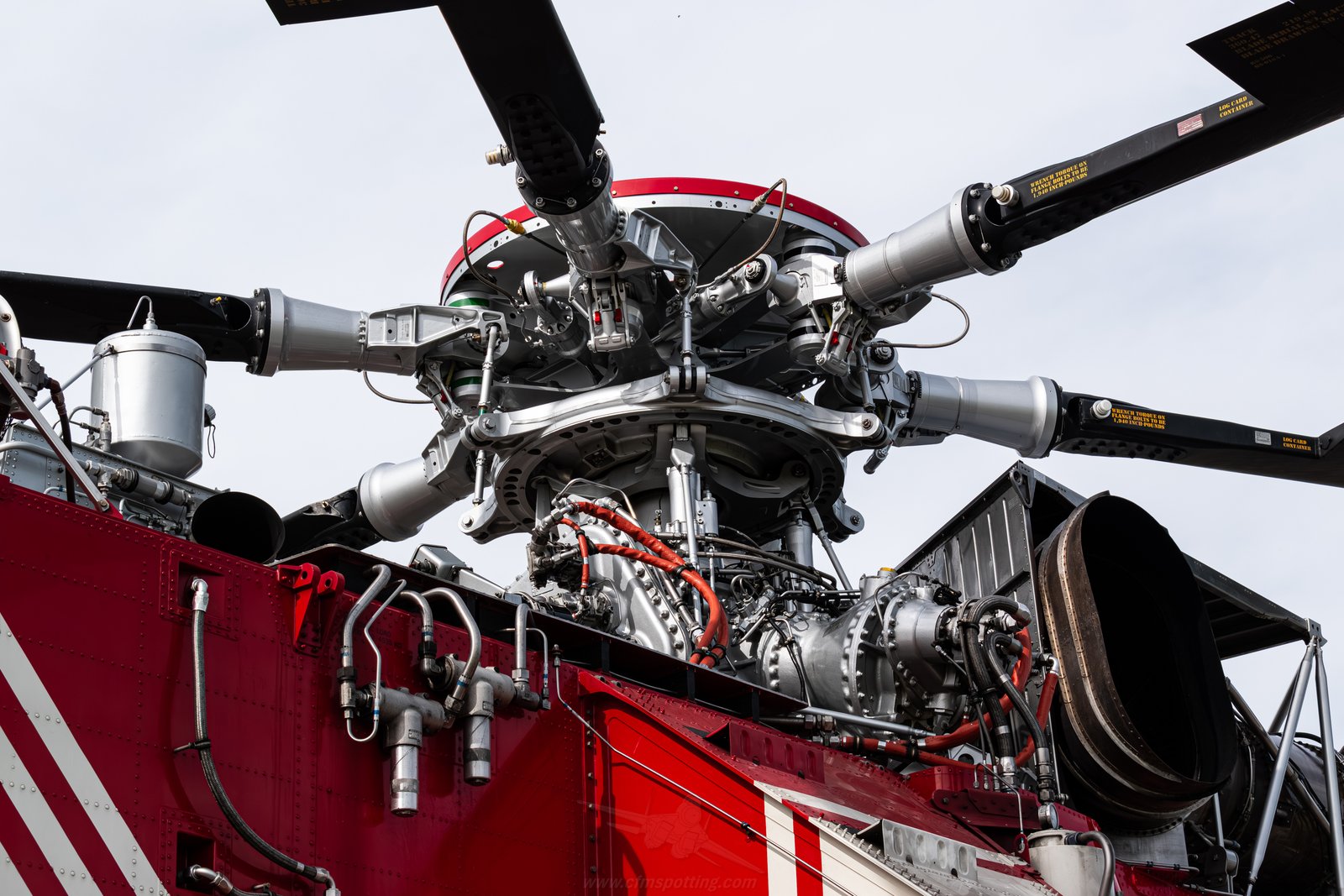
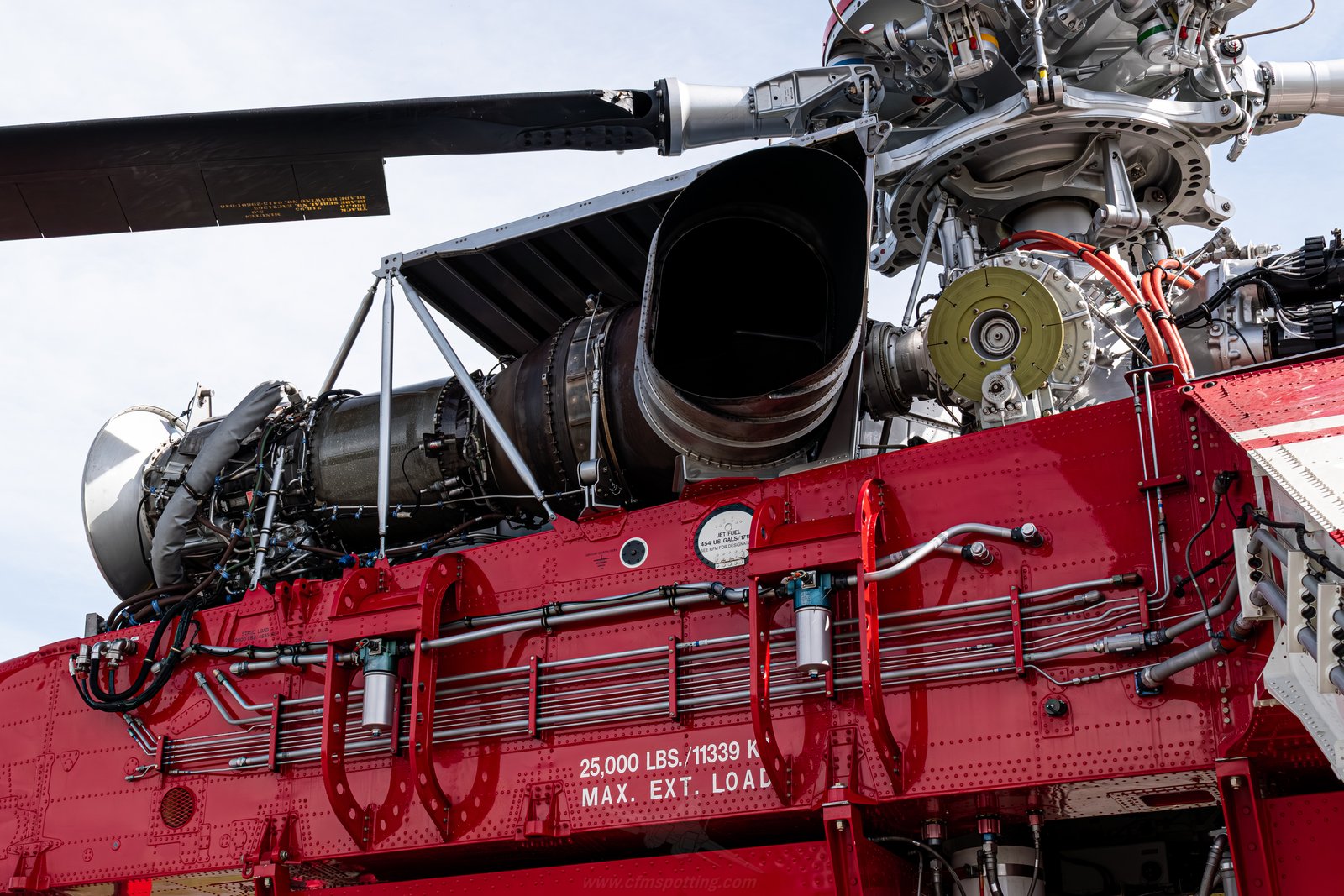
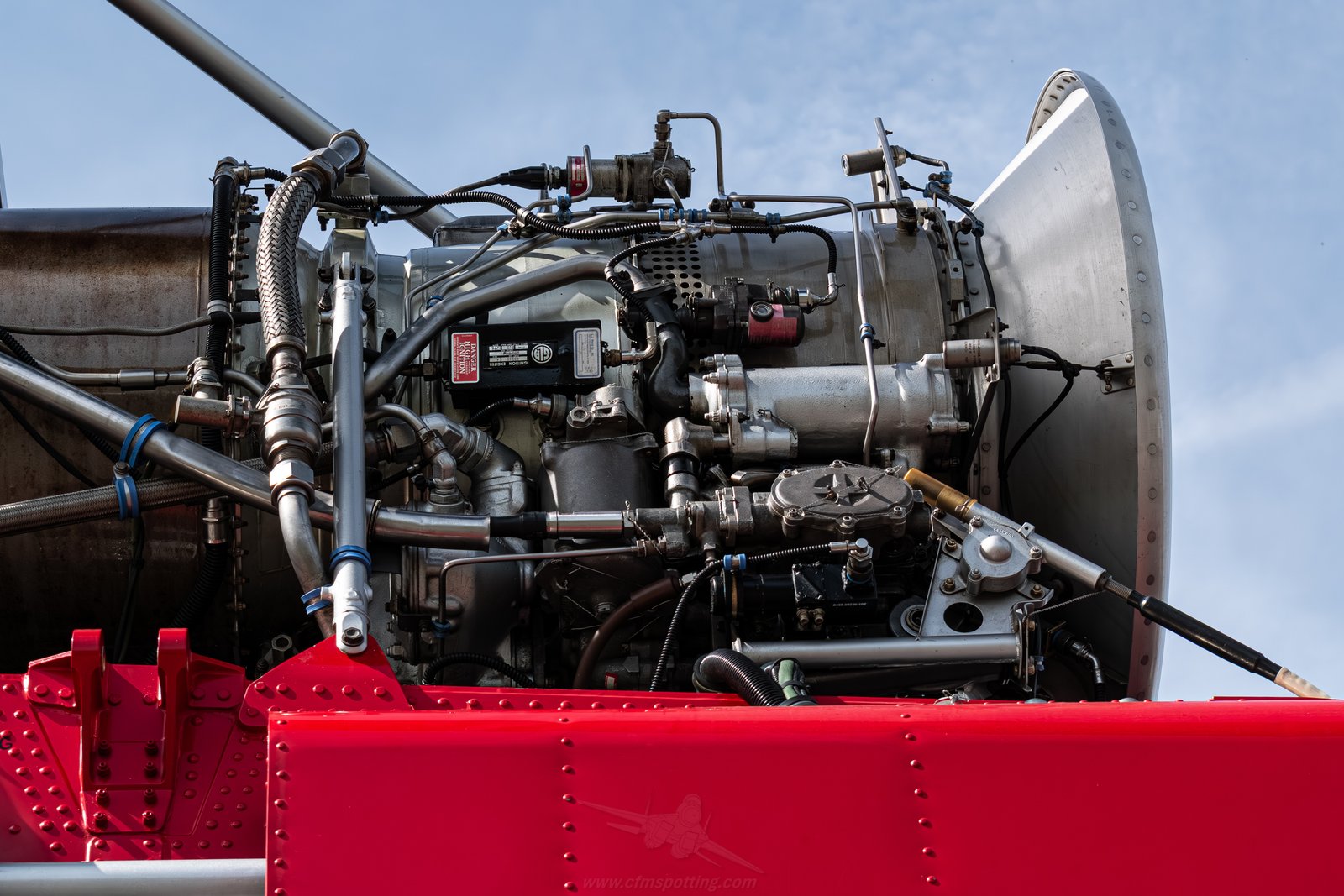
At the heart of the Skycrane are two Pratt & Whitney JFTD12 (T73) turboshaft engines, each delivering 4,000 horsepower. Together, they provide the immense power required to lift heavy loads and operate in challenging environments.
The six-blade main rotor is engineered for maximum lift and stability. Its large diameter and robust construction allow the aircraft to maintain a steady hover even when carrying significant payloads.
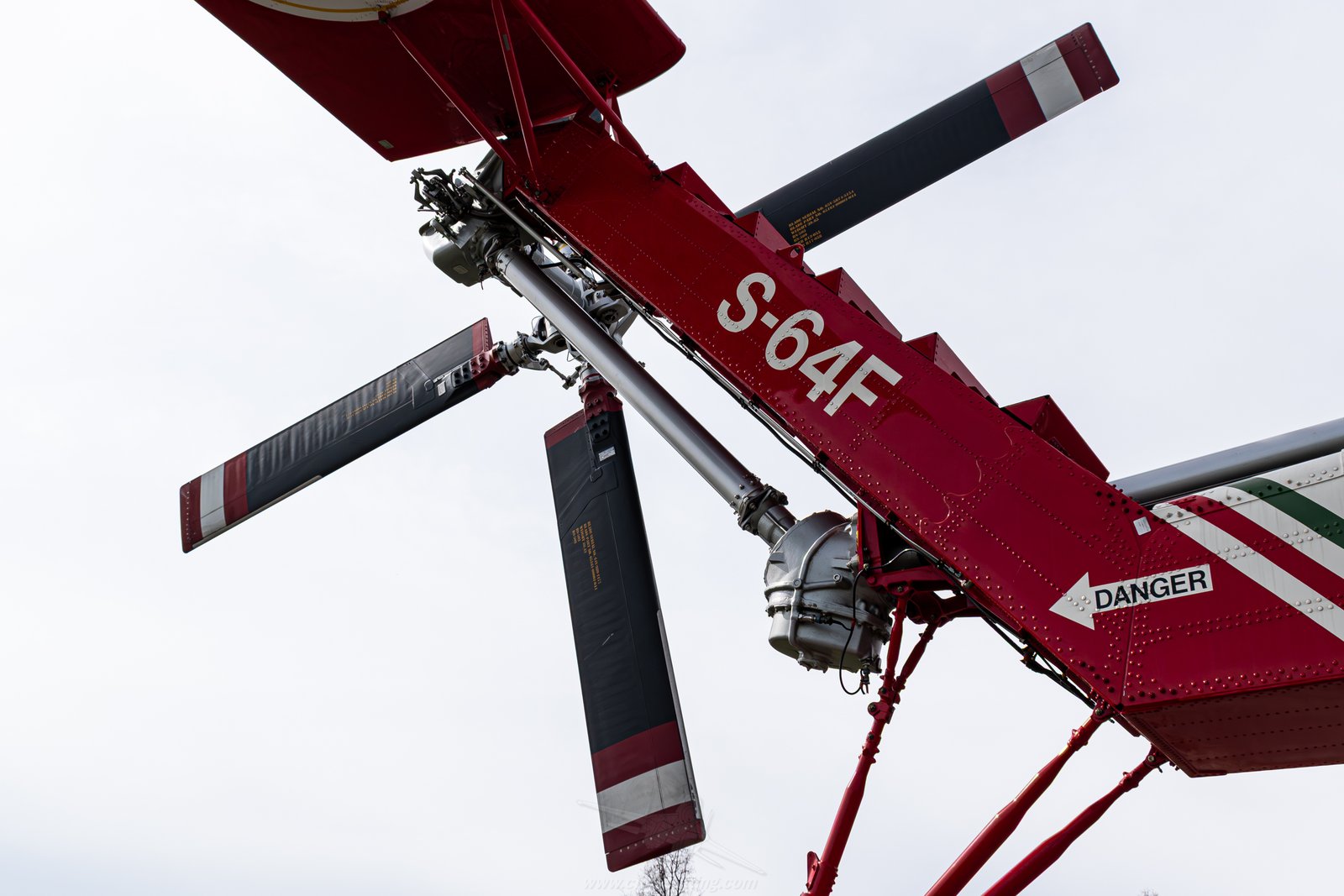
The tail rotor, mounted on an extended boom, ensures directional control and stability, particularly during low-speed and hover operations.
The open-frame fuselage, one of the aircraft’s most recognizable features, is not just a design choice. It is a performance optimization: by removing unnecessary structural elements, the Skycrane achieves a lifting capacity that would be impossible for a conventional helicopter of a similar size.
The Skycrane's Firefighting System
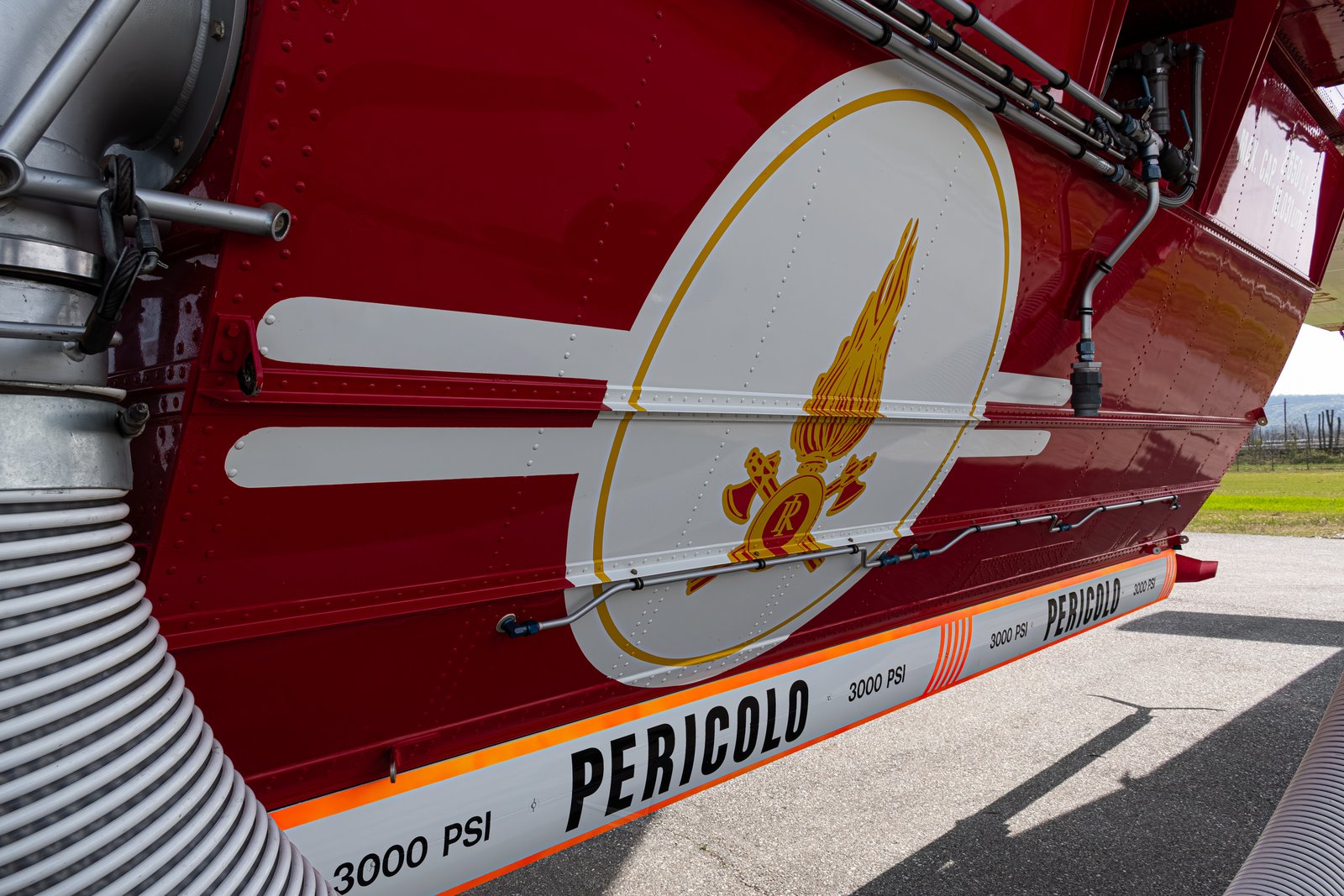
The firefighting version of the S-64 is equipped with an integrated onboard tank, capable of holding more than ten thousand liters of water (2560 U.S. Gallons).
Unlike bucket based systems, this configuration allows for a controlled and uniform water release, multiple drop patterns and an increased accuracy.
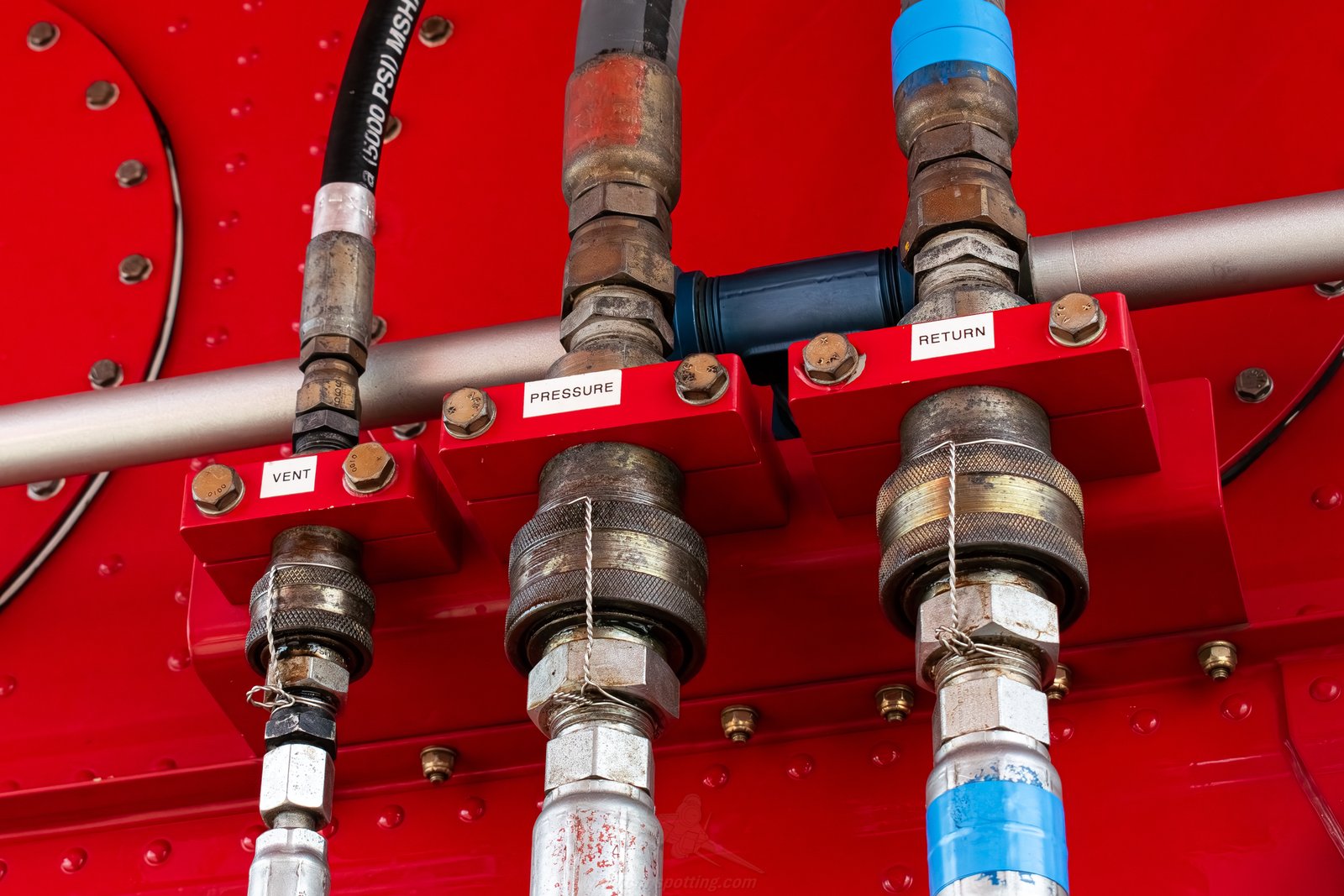
At the core of the system is the snorkel, which enables rapid water intake directly from natural sources.
Sea Snorkel and Pond Snorkel
The S-64 operates with two different snorkel systems, each designed for specific operational environments and each with its own advantages and limitations.
The Sea Snorkel is optimized for large, open water surfaces such as lakes and coastal areas. It can be used to draw both seawater and freshwater, depending on the available source. Mechanically operated, the system can be extended and retracted during flight, allowing the crew to adapt to changing operational conditions.
One of its key advantages is that it allows the helicopter to avoid a fully stationary hover during water intake. Instead, the helicopter typically performs a low-speed skimming over the water surface, reducing the risks associated with rotor downwash interacting with the water (especially with sea water). At approximately 40 knots, the airflow helps direct spray and turbulence away from the engine intakes, improving overall operational safety and efficiency.
On the other hand, the Pond Snorkel is designed for confined environments such as small lakes, reservoirs, or mountainous basins. In these situations, the primary challenge is not water volume, but precision: pilots must maintain a stable hover in restricted airspace, avoid surrounding obstacles, and position the intake accurately within a limited water surface.
Unlike the Sea Snorkel, the Pond Snorkel is used exclusively for freshwater intake, as operating in a true hover over saltwater or highly agitated surfaces would increase the risk of spray ingestion and contamination effects. Another operational limitation is that, once deployed, the Pond Snorkel cannot be retracted in flight and remains extended until the aircraft returns and lands at base.
According to pilot feedback gathered during our visit, when conditions allow, crews generally prefer to use the Sea Snorkel due to its greater efficiency, flexibility, and reduced operational constraints.
Inside the Cockpit
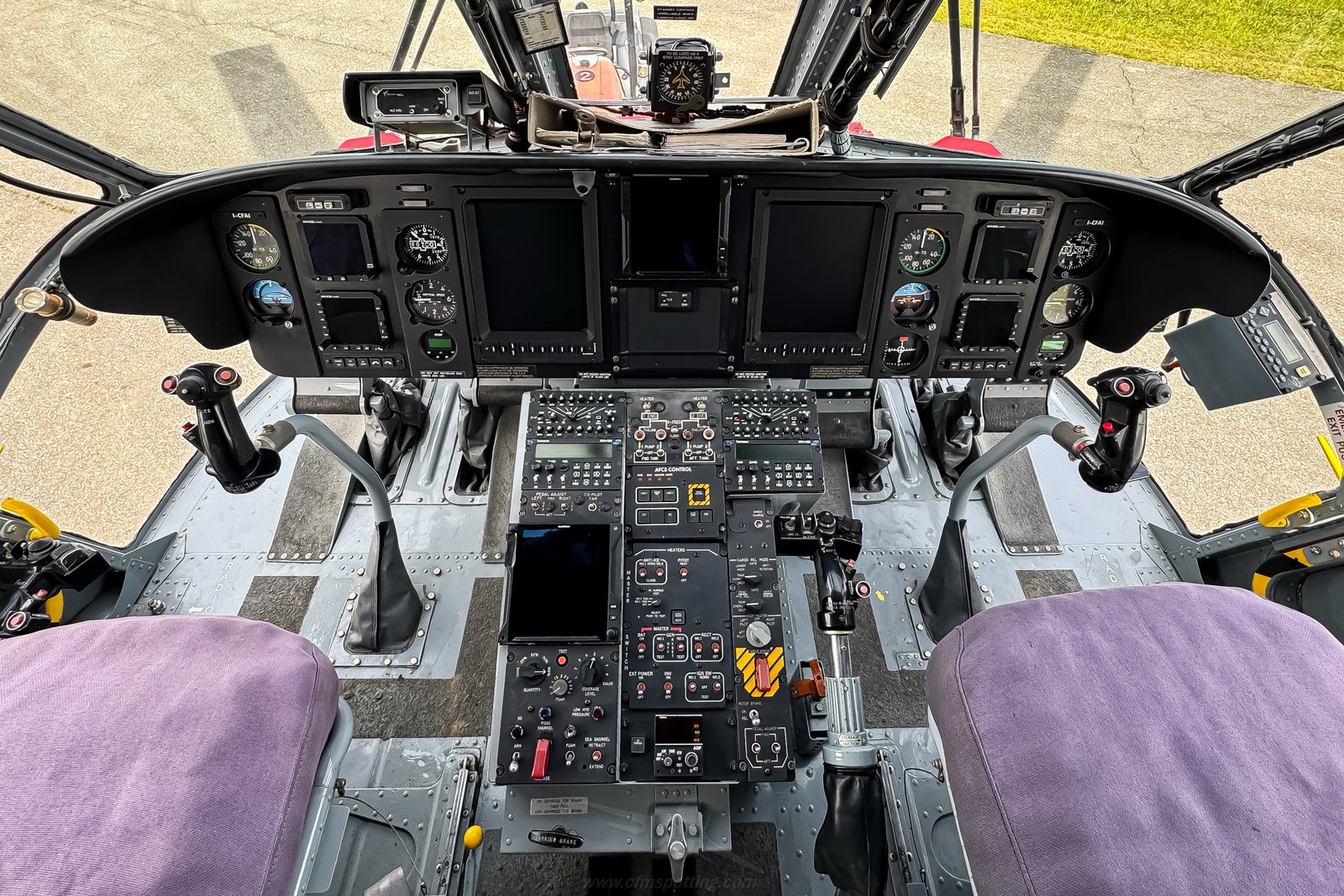
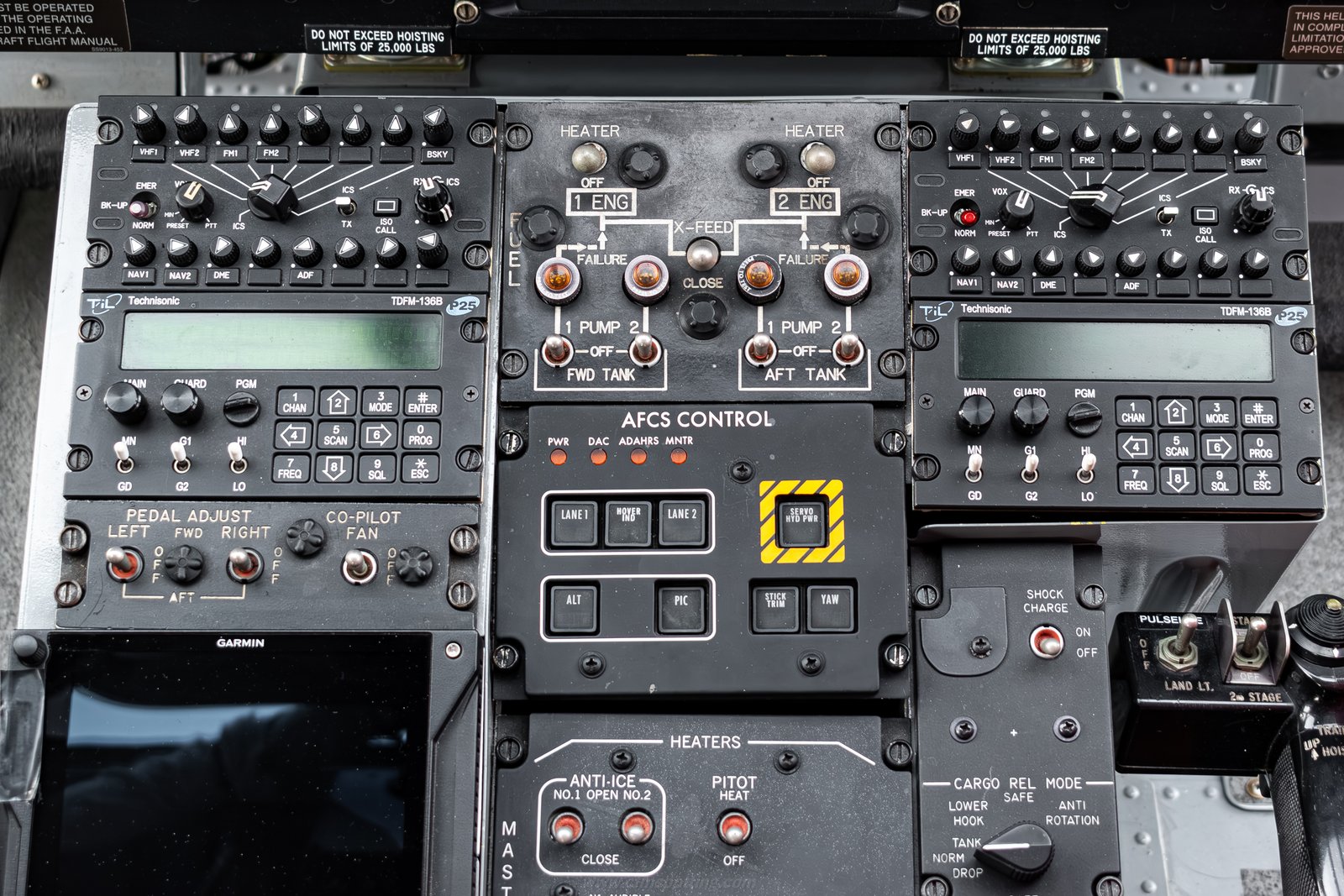
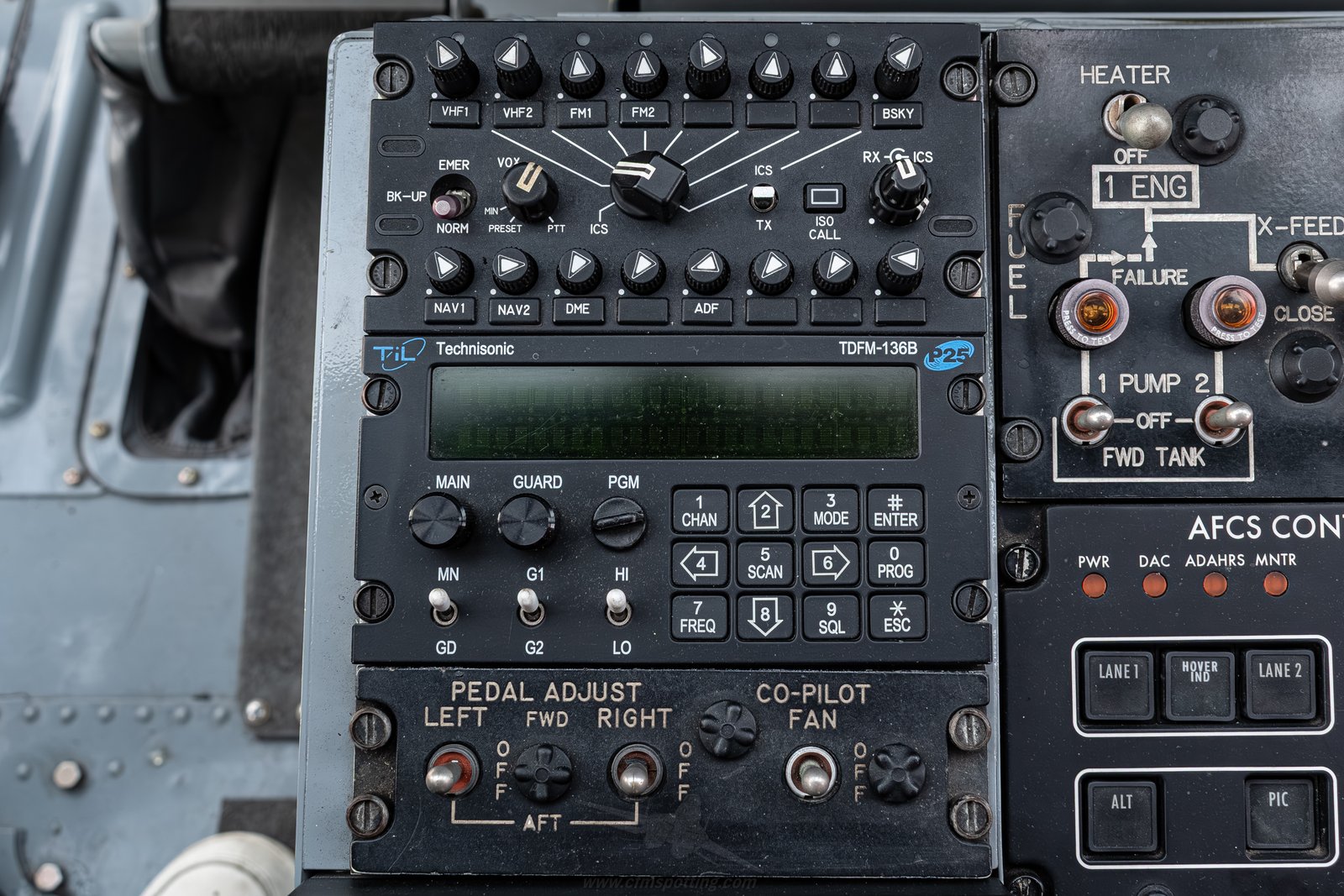
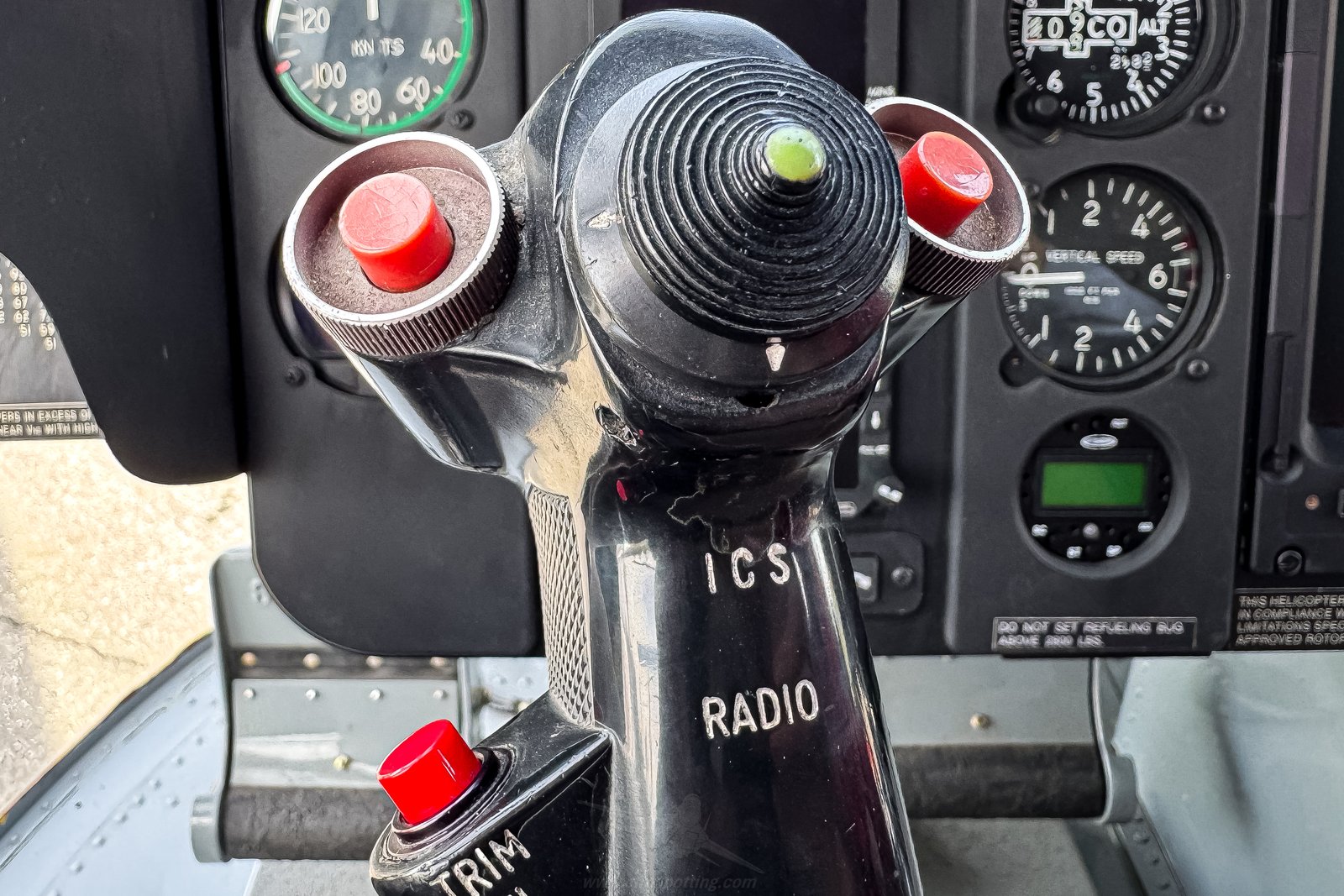
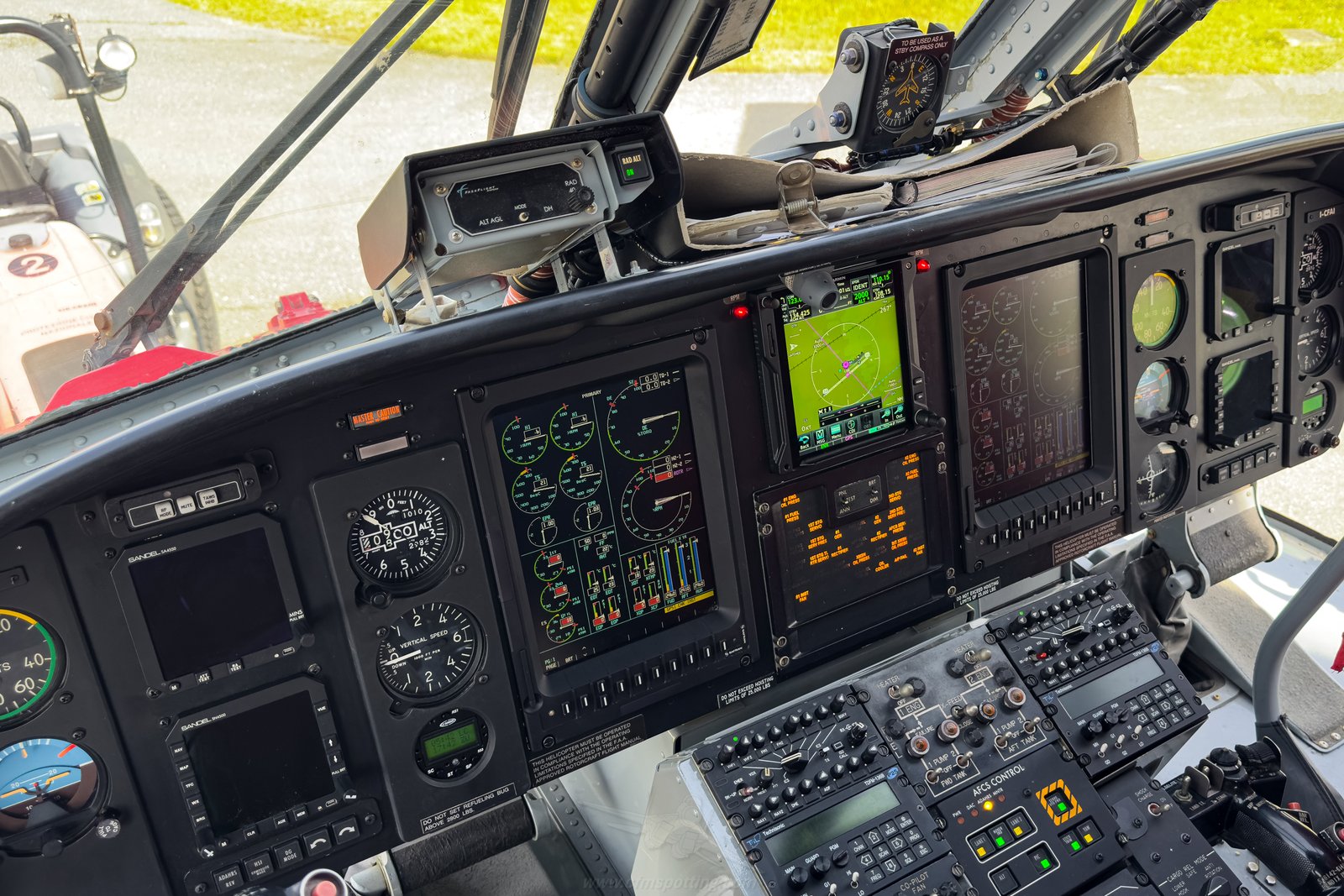
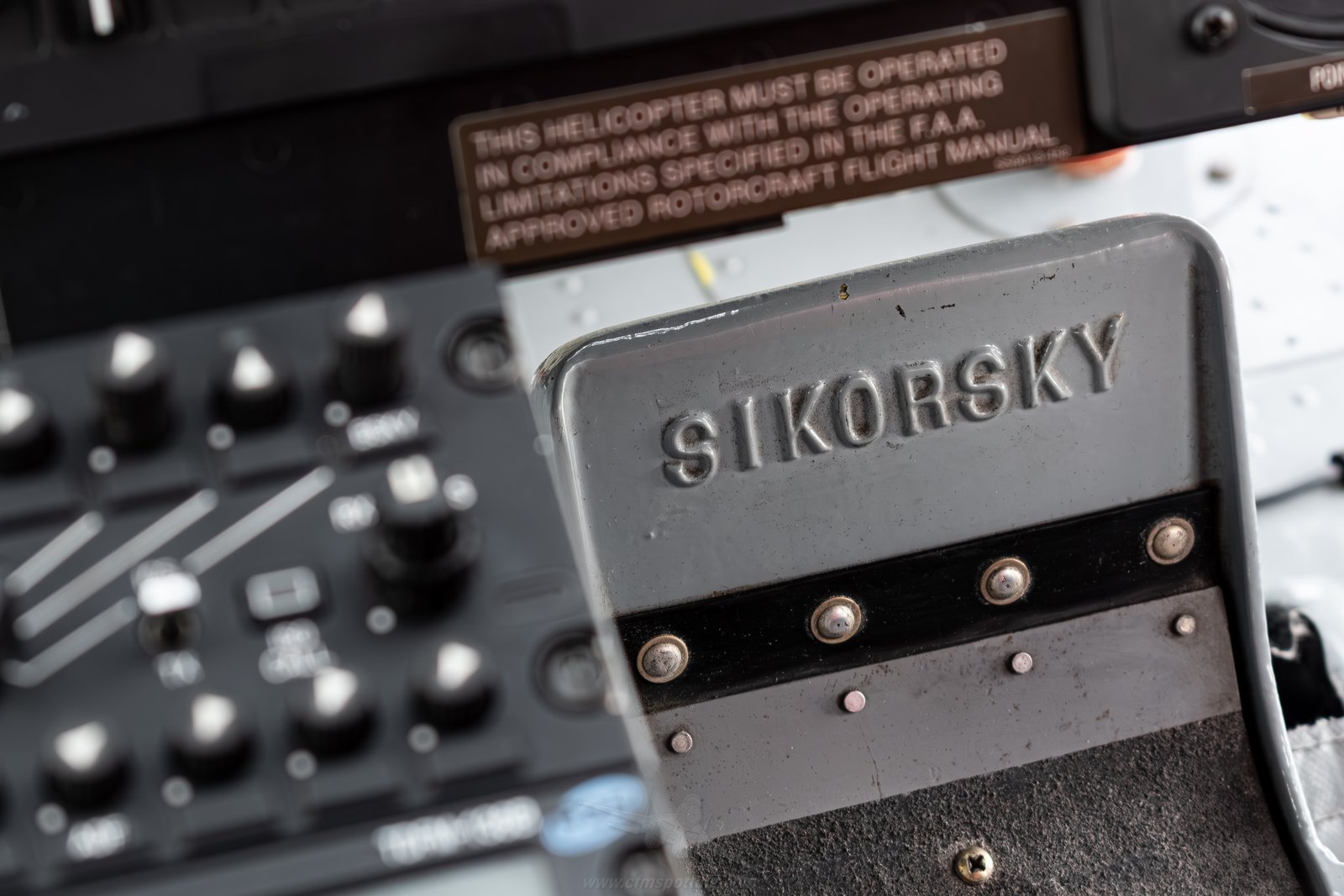
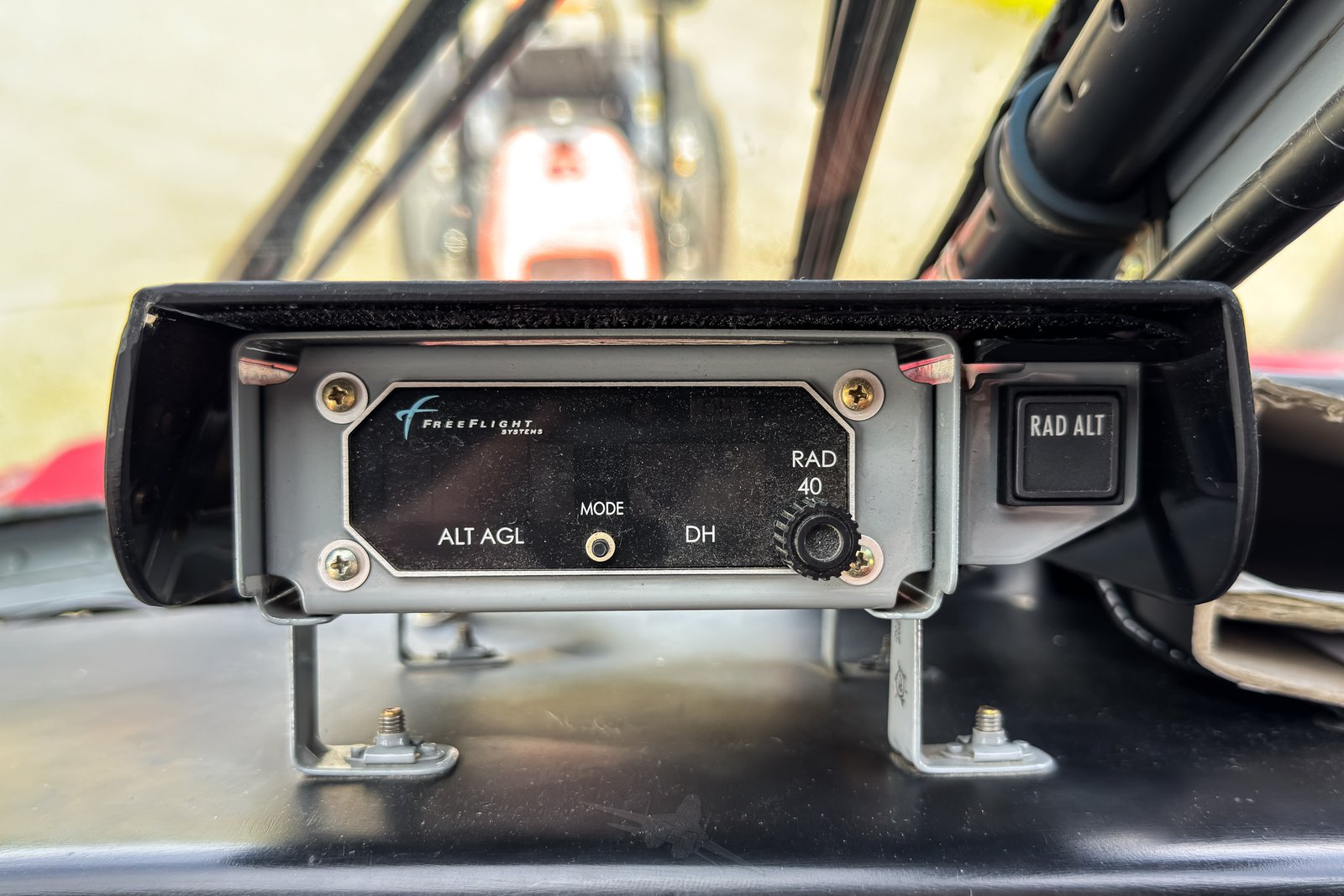
Despite its vintage origins, the cockpit of the S-64 has been extensively modernized by Erickson Air Crane.
The transition from analog instruments to a full glass cockpit, including systems like the Garmin GTN 750, has significantly improved navigation accuracy, situational awareness and the pilot workload management.
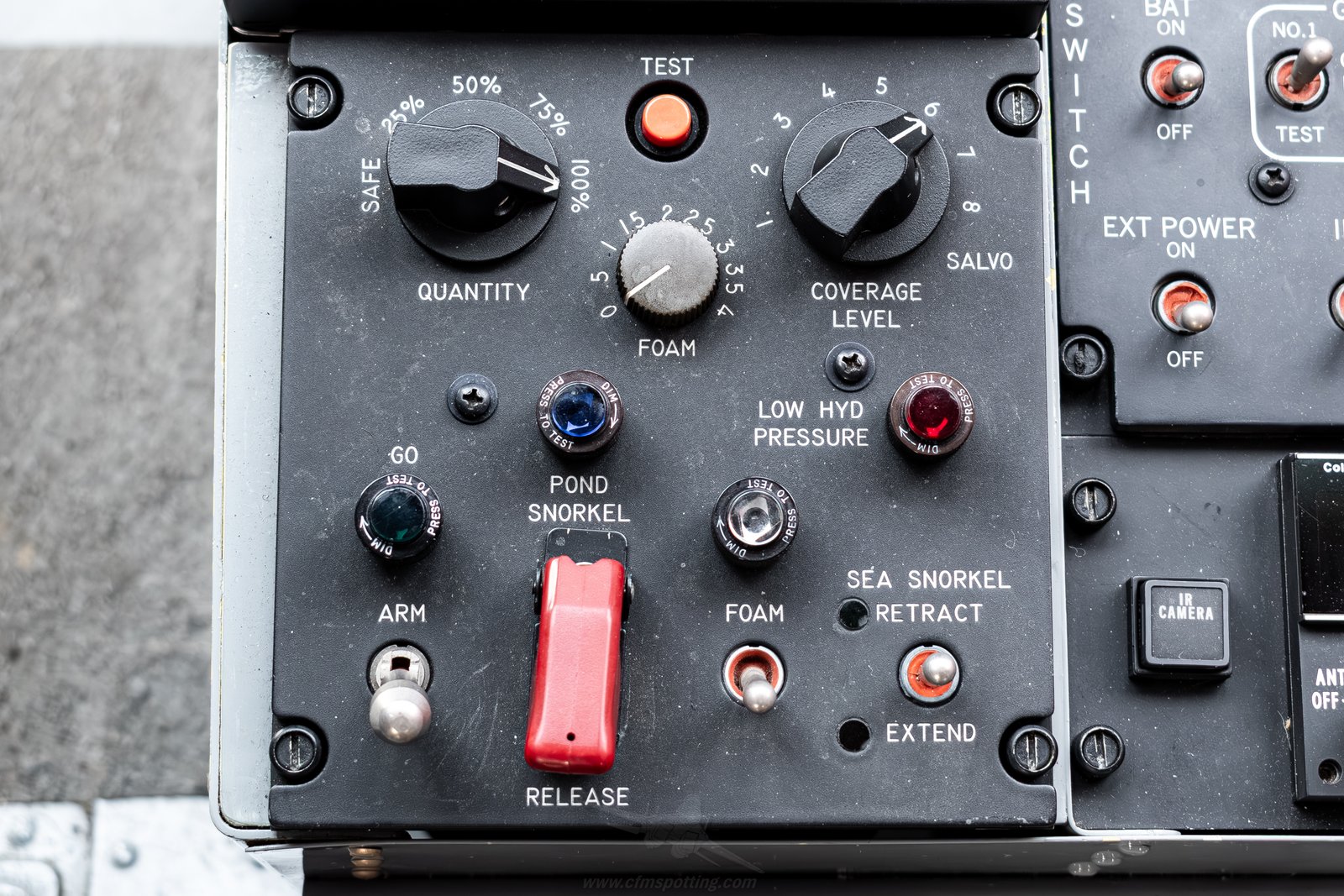
The cockpit also includes specialized firefighting controls that allow the crew to manage every aspect of the mission.
Pilots can:
-Control water intake and pump systems;
-Monitor tank levels in real time;
-Execute precise drops with an adjustable flow.
Such controls and systems, allow for partial drops, sequential releases and full load deployment.
The Vigili del Fuoco Air Fleet
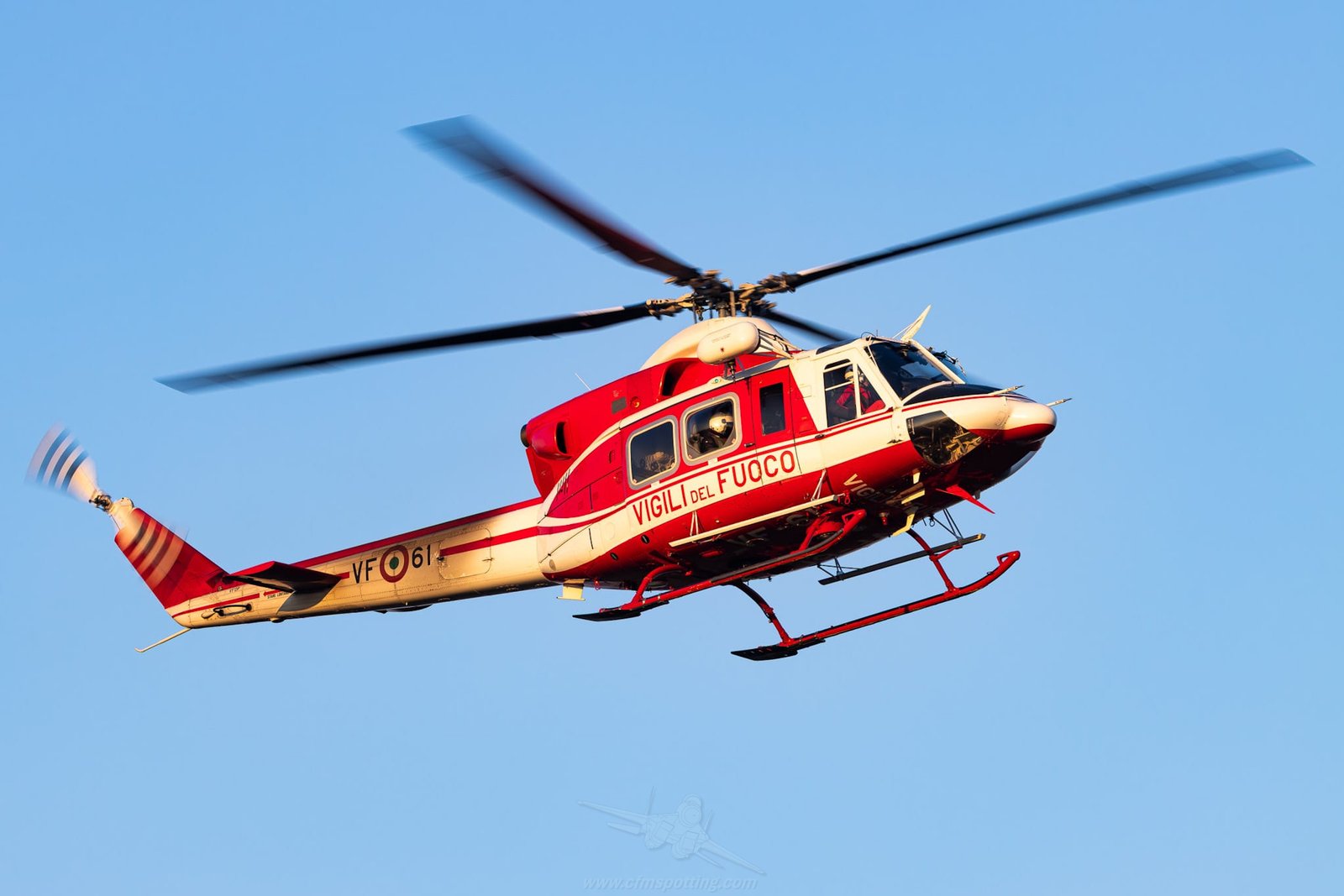
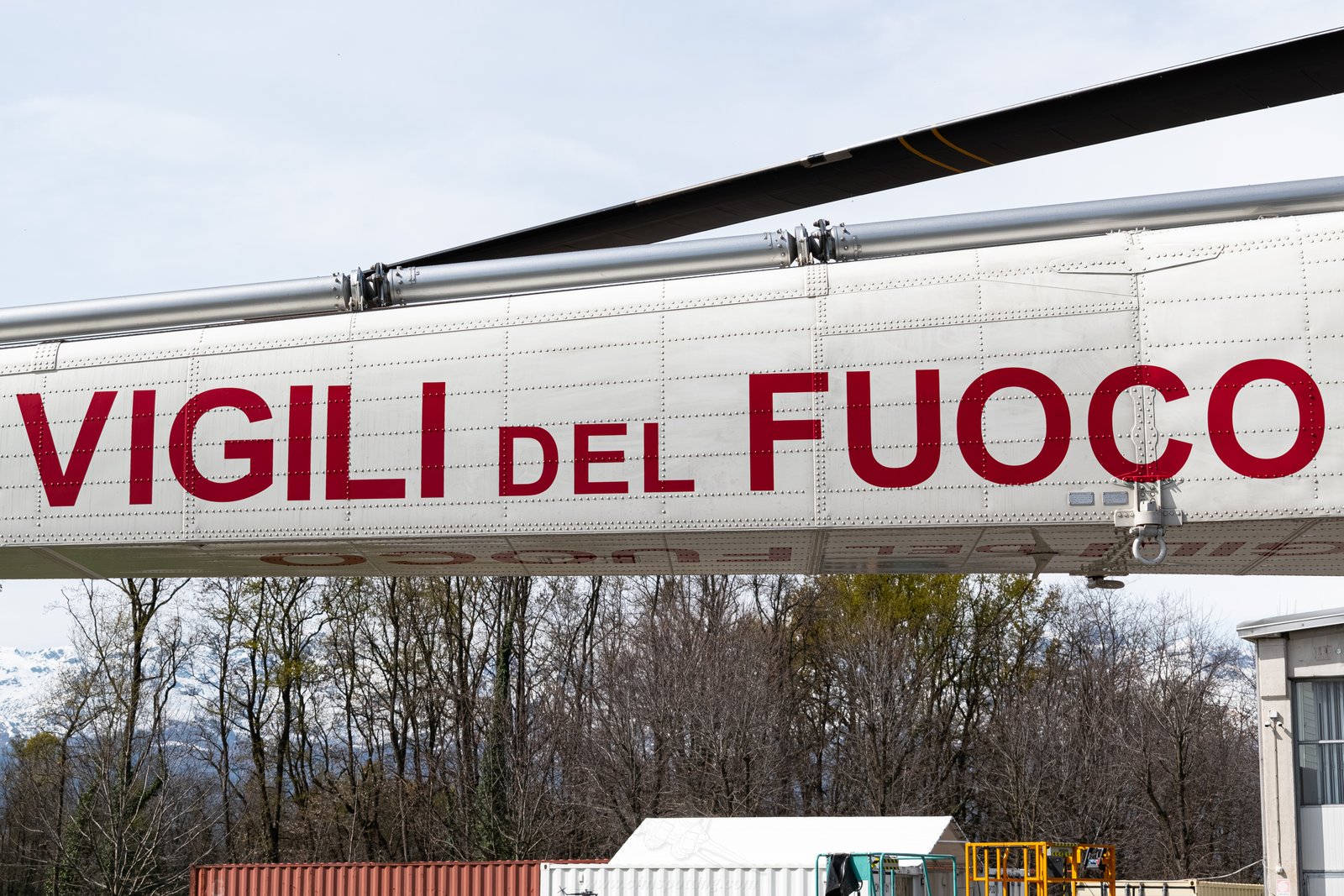
The aerial component of the “Corpo Nazionale dei Vigili del Fuoco” is not built around a single category of aircraft, but where each platform is assigned a very specific operational role within the wider emergency response structure coordinated with the “Protezione Civile”.
At the foundation of this system, are light helicopters such as the Airbus H125 and Agusta Westland AW109.
Moving up in capability, medium helicopters such as the Agusta Westland AW139 and Bell 412 form the operational backbone of the rotary-wing fleet. These choppers fill the gap between light utility helicopters and heavy-lift assets, performing a wide range of missions including SAR, personnel transport, medical evacuation, and initial firefighting support using external “Bambi” buckets. Their versatility allows them to respond quickly to both urban emergencies and remote mountainous incidents, making them one of the most frequently deployed assets in the fleet.
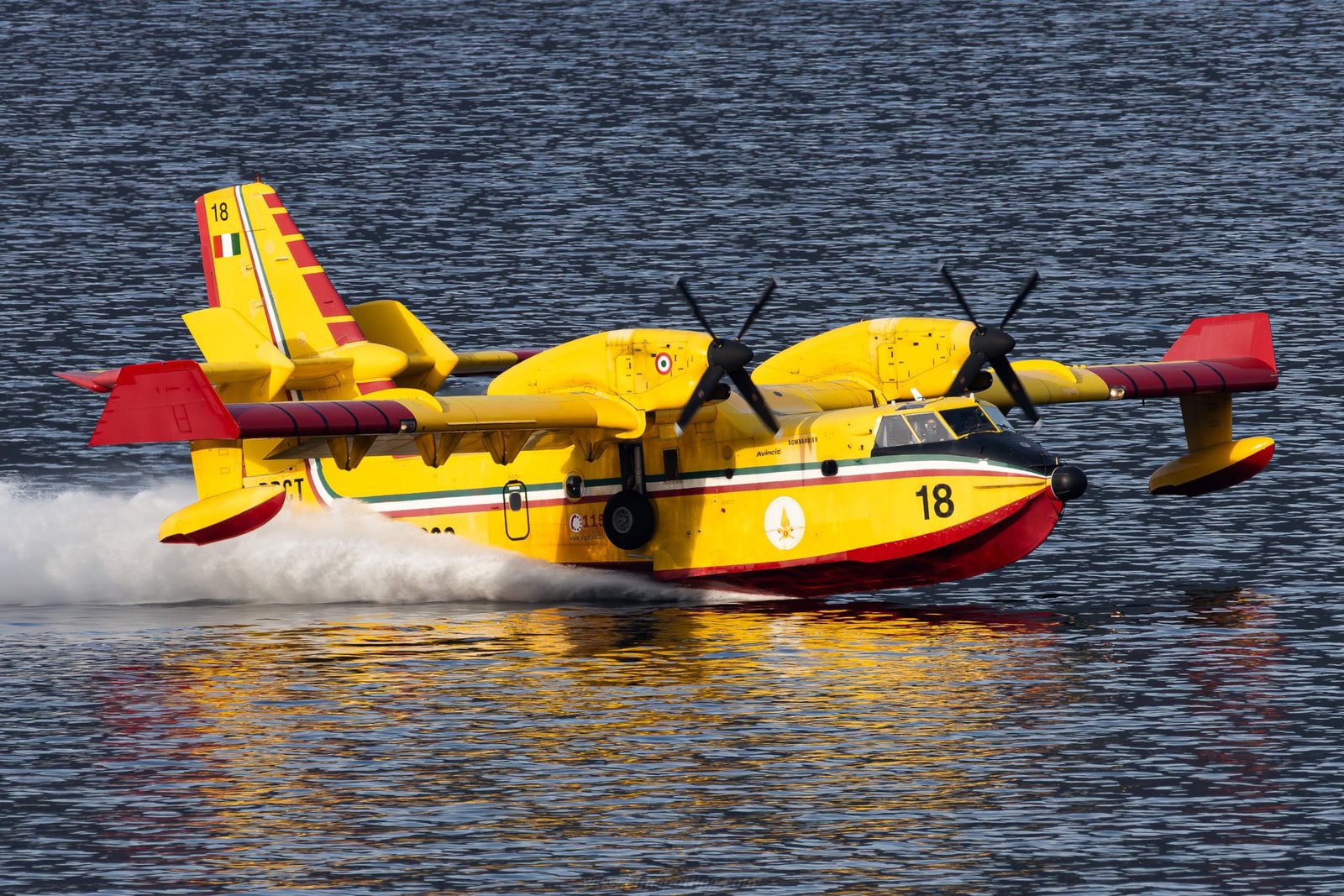
Then comes the fixed-wing fleet, such as the Canadair CL-415 and Air Tractor AT-802. These aircraft are designed for sustained fire suppression over large areas. The CL-415, in particular, is capable of scooping water directly from lakes and delivering high-volume drops in rapid succession, while Air Tractors are often used for more targeted operations in more fragmented fire zones.
Gallery
To let you fully experience the Sikorsky S-64 Skycrane, we crafted a gallery of high-quality images gathered during our visit at Biella Cerrione Airport.
We take this opportunity to thank the Skycrane pilots, Fabrizio and Vittorio, for allowing the creation of such an article.
Article by Christian Bossi – Pictures by Christian Bossi